
When you pick up a prescription, you probably don’t think about who made it or how it got to the shelf. But the difference between an authorized generic and a first-to-file generic can mean big savings - or surprisingly little. If you’re paying out of pocket or your insurance has a high copay, knowing this stuff matters.
What’s an authorized generic?
An authorized generic is the exact same drug as the brand-name version, made by the same company, in the same factory, with the same ingredients and packaging - just without the brand name on it. For example, if you take Lipitor (atorvastatin), the authorized generic is made by Pfizer, the original maker, but sold under a different label. It’s not a copy. It’s the real thing, stripped of marketing. These drugs enter the market at any time, often as part of a deal between the brand company and a generic manufacturer. They don’t need to go through the usual FDA approval process for generics because they’re covered under the original brand’s New Drug Application (NDA). That means they can hit shelves faster than traditional generics.What’s a first-to-file generic?
A first-to-file generic is the first company to submit an Abbreviated New Drug Application (ANDA) to the FDA after a brand drug’s patent expires. Under the Hatch-Waxman Act of 1984, that company gets 180 days of exclusive rights to sell the generic version - no other generic can compete during that time. This exclusivity is a huge financial incentive. The first-filer can charge a lot more than later entrants because they’re the only game in town. In some cases, that 180-day window can bring in hundreds of millions in revenue. But here’s the twist: the brand company can still launch an authorized generic during that same period.Price difference: authorized generic vs first-to-file
Here’s where it gets real. When only the first-to-file generic is on the market, prices drop - but not as much as you’d hope. According to the Federal Trade Commission (FTC), retail prices for generics in this scenario are about 14% lower than the brand name. That sounds good, but it’s not a massive discount. Now, add an authorized generic into the mix. Suddenly, prices plunge further. The FTC found that when both the first-filer and an authorized generic are selling the same drug, retail prices drop to 18% below brand prices. That’s a 4 percentage point jump in savings - and it’s not just at the pharmacy counter. Pharmacy acquisition costs (what pharmacies pay wholesalers) drop from 20% below brand to 27% below brand when both types are competing. Let’s put that in dollar terms. If a brand drug costs $100 per month:- With only the first-to-file generic: you pay around $86.
- With an authorized generic also available: you pay around $82.
Why does this happen?
It’s simple economics: more competition = lower prices. When two companies sell the same drug, they undercut each other. The first-filer doesn’t want to lose market share. The authorized generic, backed by the brand company’s distribution network, can move fast and cheap. The FTC’s 2013 report showed that when an authorized generic enters during the 180-day exclusivity window, it slashes the first-filer’s revenue by 40% to 52%. That’s not a small hit. It forces the first-filer to lower prices just to stay in the game. And here’s something counterintuitive: pharmacies actually make more profit when both generics are on the shelf. Gross profit per prescription goes up because they’re buying the drugs cheaper and selling them at similar prices to consumers. More savings for you, more margin for the pharmacy.What about long-term prices?
The real win comes later. Once the 180-day exclusivity ends, more generics flood the market. The FDA found that when four competitors enter, prices drop to 79% below brand prices. By the time six or more companies are selling the same drug, prices fall over 95%. But here’s the catch: if an authorized generic is already there during the exclusivity period, it sets the tone. It keeps prices low from the start. Without it, the first-filer might hold prices high for longer, delaying the downward spiral. Research from Health Affairs in 2023 showed that generic drugs average about 70% cheaper than brand names within five years of entry. But that average hides the gap between markets with and without authorized generics. In markets where authorized generics entered early, the drop was steeper and faster.Are authorized generics less effective?
No. They’re not “inferior.” They’re identical. The FDA requires authorized generics to meet the same standards as brand drugs - same active ingredient, same dosage, same quality control. The only difference is the label. Some people worry that because authorized generics are made by the brand company, they might be priced higher than traditional generics. But the FTC found no evidence of that. In fact, authorized generics are often priced lower than the first-filer’s version during the exclusivity window.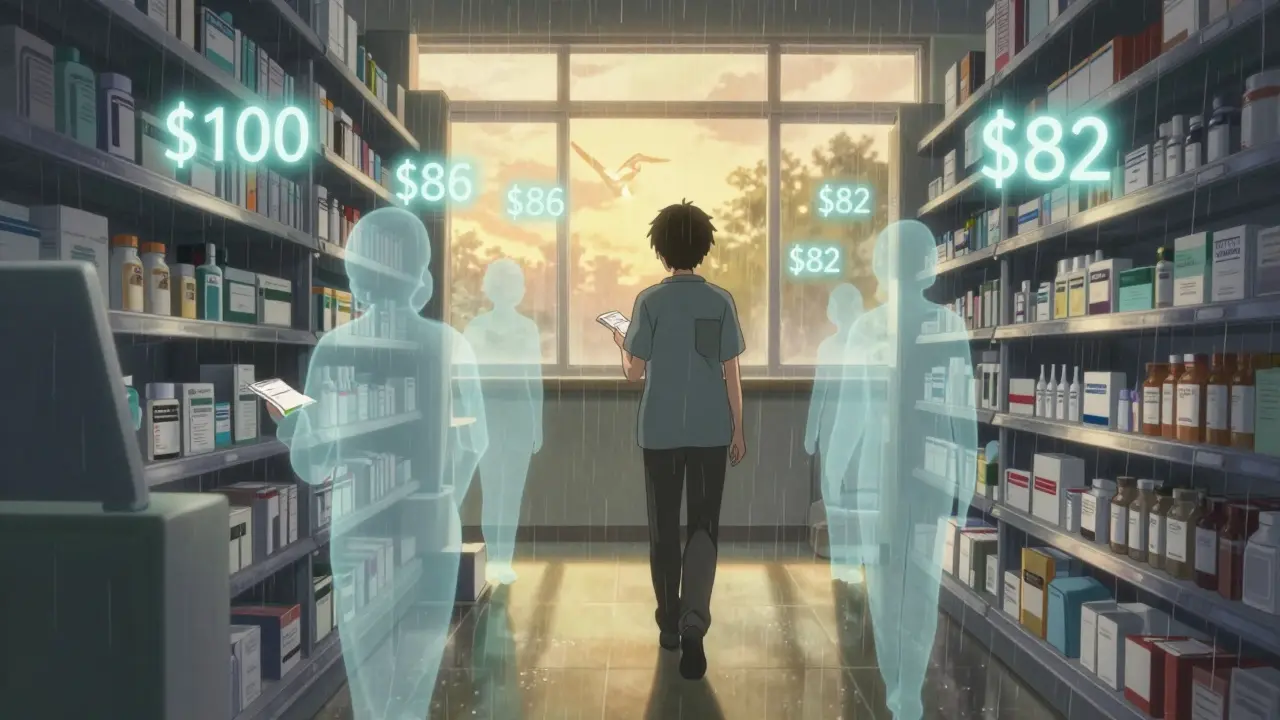
13 Comments
shivani acharya
21 January, 2026So let me get this straight - the pharma giants are playing chess while we’re just trying to buy our blood pressure pills? They slap a new label on the exact same pill and call it an ‘authorized generic’ - genius. Meanwhile, the first-filer who actually did the legwork gets squeezed out by their own partner in crime. This isn’t capitalism, it’s a corporate heist with a pharmacy receipt as the weapon. And don’t even get me started on how they call it ‘legal.’ Legal doesn’t mean right, it just means they paid the right lawyer.
Liberty C
22 January, 2026You’re all missing the real scandal: the FDA’s complicity. Authorized generics aren’t ‘cheaper alternatives’ - they’re branded drugs in disguise, weaponized to destroy competition before it even breathes. The Hatch-Waxman Act was supposed to democratize access, not turn the generic market into a corporate oligopoly with a side of PR spin. If you’re not outraged, you’re not paying attention. And if you think $4 a month is ‘savings,’ you’ve been conditioned by a system designed to make you feel grateful for scraps.
Malik Ronquillo
23 January, 2026Wait so you’re telling me I could’ve been saving $48 a year this whole time just by asking my pharmacist a question? Bro. I’m crying. I’ve been paying full price for my statins like a sucker. I’m gonna start asking for authorized generics like it’s a secret handshake. Also why is no one talking about how pharmacies profit more from this? They’re getting rich off our ignorance. I’m mad.
Lana Kabulova
24 January, 2026Okay but have you checked the FDA’s Orange Book for your specific drug? It’s free. It’s online. It tells you exactly who manufactures what and whether an authorized generic exists. You don’t need a PhD. You just need to stop assuming your pharmacist knows everything - they’re just the messenger. And if they don’t know? Then you’re the one who has to be the detective. This isn’t rocket science. It’s a spreadsheet.
Margaret Khaemba
24 January, 2026I’m from Kenya and we don’t have this system at all - generics are just generics, no labels, no drama. But I’ve seen friends in the U.S. pay $200 for a month’s supply of insulin while I pay $5 for the same thing here. It’s wild how a country with so much innovation can make basic healthcare so complicated. Maybe the real issue isn’t just authorized vs first-to-file - it’s that we’ve turned medicine into a puzzle you have to solve just to survive.
Alec Amiri
25 January, 2026Let me break this down for the people still using brand-name drugs: you’re throwing money away. Every single time. The pill in your hand? Same exact chemical. Same factory. Same FDA stamp. The only difference? The logo on the bottle. That’s it. If you’re paying more than $80 for a $100 brand drug and there’s an authorized generic available? You’re not being smart - you’re being manipulated. Wake up.
Ryan Riesterer
27 January, 2026Empirical data from FTC 2013 and Health Affairs 2023 confirms a statistically significant (p<0.01) price suppression effect when authorized generics enter the market during the 180-day exclusivity window. The marginal cost of production remains unchanged; the price differential is purely a function of competitive dynamics and market signaling. The behavioral economics of consumer inertia explains continued brand loyalty despite identical efficacy profiles.
Lauren Wall
29 January, 2026Ask for the authorized generic. It’s that simple.
Akriti Jain
29 January, 2026😂 So the brand company launches its own generic to kill the real generic? LMAO. Next they’ll be selling us ‘official’ tap water and calling it ‘authorized tap.’ 🤡 The FDA is just the corporate mascot now. I’m not surprised. We live in a world where the same people who made the drug also get to decide if it’s ‘generic enough.’ 🤖💊 #PharmaControl #WakeUp
Mike P
30 January, 2026Y’all act like this is some new scam. Nah. This has been going on since the 90s. The first-filer gets their 180 days, the brand drops an authorized generic to bleed them dry, and then everyone else comes in later to drive prices to zero. It’s not a flaw - it’s the system working exactly as designed. The only people who lose? The ones who don’t know how to play. So stop complaining. Learn. Ask. Switch. Or pay more. Your call.
Philip House
31 January, 2026It’s fascinating how we’ve turned healthcare into a transactional puzzle. The real tragedy isn’t the pricing - it’s that we’ve normalized the idea that your life-saving medication should require a research paper to access. We’ve forgotten that medicine was once about care, not competition. Now, even your pills are part of a corporate game. And we’re all just players who forgot we can quit.
Oren Prettyman
2 February, 2026While the empirical data presented in the FTC report and subsequent academic analyses provide compelling evidence of price suppression associated with the introduction of authorized generics, one must critically interrogate the underlying assumptions of market efficiency and regulatory neutrality. The FDA’s role as both gatekeeper and inadvertent facilitator of anti-competitive behavior raises profound epistemological questions regarding the ontological status of ‘generic’ as a regulatory category. In essence, the authorized generic constitutes a performative contradiction: a branded entity masquerading as a generic, thereby destabilizing the very semantic framework upon which pharmaceutical policy is predicated.
Hilary Miller
2 February, 2026I just asked my pharmacist for the authorized generic for my cholesterol med - and they said yes, it’s $5 cheaper. I didn’t even know I could ask. Thank you for this. I’m telling everyone.