

Restless Legs Syndrome, also known as Willis-Ekbom Disease, strikes most people when they’re trying to fall asleep. Your legs feel like they’re crawling, twitching, or buzzing, and the only relief comes from moving them. If you’ve been told your iron levels are fine but symptoms persist, you’re not alone. Recent science shows brain iron deficiency-even with normal blood tests-drives many cases. Here’s exactly how to fix it.
The Hidden Link Between Restless Legs and Brain Iron
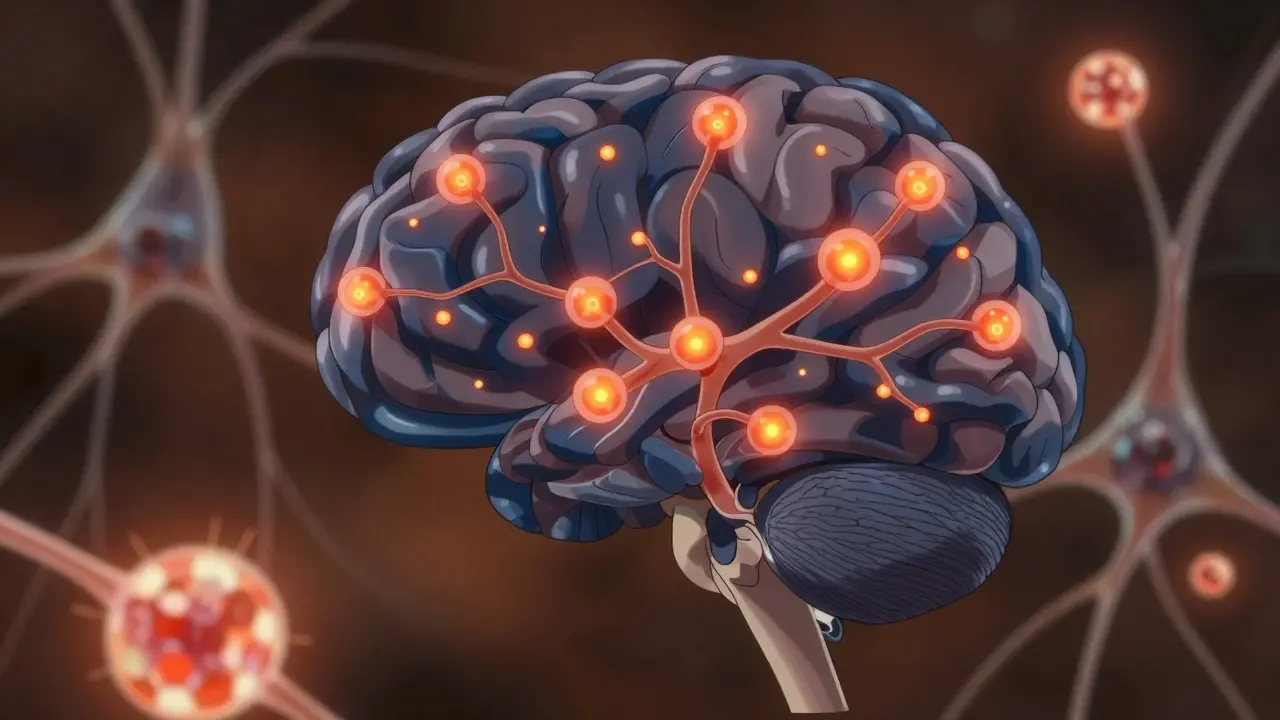
Iron deficiency in the brain is a major cause of Restless Legs Syndrome. Studies from Johns Hopkins and Vanderbilt University confirm that low ferritin (an iron-storage protein) in the blood often mirrors depleted iron in the brain’s substantia nigra-the area controlling movement. Think of it like a car running out of fuel despite full gas tanks elsewhere: peripheral blood tests show adequate iron, but the brain isn’t getting enough to function properly. A 2020 Nature study found RLS patients average serum ferritin levels of 28 ng/mL versus 62 ng/mL in healthy controls.
Ferritin Targets That Actually Matter
Serum ferritin below 50 ng/mL signals treatable iron-deficiency RLS per American Academy of Neurology guidelines. Many doctors dismiss values between 30-100 ng/mL as “normal,” but neurologists argue 50 ng/mL is the critical threshold. Why? Below this level, dopamine pathways malfunction even if red blood cells look healthy. Harvard’s 2022 protocol recommends treating when ferritin dips under 75 ng/mL for severe cases. Real-world impact: one patient raised ferritin from 35 ng/mL to 90 ng/mL over six months, eliminating nighttime leg sensations entirely.
| Ferritin Level (ng/mL) | Clinical Interpretation | Action Required |
|---|---|---|
| <50 | Definitely treat | Start iron supplementation |
| 50-75 | Grey zone | Therapeutic trial recommended | d>
| >75 | No iron deficiency | Rule out other causes |
Oral vs IV Iron: What Works Best?
Most people try tablets first. Standard protocols suggest ferrous sulfate 325 mg (65 mg elemental iron) daily with vitamin C. Problem? 30% of users get constipated or nauseous. New Blood Advances research proves alternate-day dosing cuts side effects while maintaining efficacy. Still not enough? Intravenous ferric carboxymaltose raises ferritin 127 ng/mL faster than pills work. IV infusion costs more upfront ($400-$800/session) but saves $2,000+ annually compared to dopaminergic drugs.
“IV iron achieves therapeutic levels in 68% of patients where oral fails” - Dr. Arthur Walters, Vanderbilt Sleep Disorders Center
Hepcidin: The Missing Puzzle Piece
You’ve probably never heard of hepcidin. This hormone blocks iron absorption when your body has enough stores. In RLS patients, hepcidin runs high (mean 12.4 ng/mL vs. 8.1 ng/mL in healthy people), trapping iron outside the brain. Testing both ferritin AND hepcidin improves prediction accuracy-those with high hepcidin plus low ferritin respond to treatment 78% of the time. Emerging trials explore liposomal iron to bypass this blockade entirely.

Your Step-by-Step Action Plan
- Get tested: Request serum ferritin, transferrin saturation, and CRP during morning labs. Fasting matters-food alters results by 20%.
- Calculate dosage: Start 65mg elemental iron/day if ferritin <50 ng/mL. Split doses reduce stomach upset.
- Track progress: Recheck ferritin every 8 weeks. Target range: 75-100 ng/mL.
- Optimize absorption: Pair supplements with orange juice (vitamin C). Avoid coffee/tea within 2 hours-they block uptake.
- Safety checks: Stop treatment at 200 ng/mL ferritin to prevent overload. Annual MRI screening if cumulative IV dose exceeds 2g/year.
Common Pitfalls to Avoid
- Ignoring inflammation: High CRP falsely elevates ferritin readings. Treat infections first before starting supplements.
- Rush expectations: Symptom relief takes 4-8 weeks. Don’t quit mid-treatment!
- Mixing iron types: Ferrous fumarate provides less absorbable iron than sulfate. Stick to proven formulations.
Remember: Dietary changes alone rarely suffice. Even generous servings of red meat deliver only ~1.5mg absorbable iron per portion versus 65mg from one tablet. Prioritize medical-grade solutions over spinach salads.
How long does iron therapy take to help restless legs?
Initial improvements typically appear after 4 weeks of consistent supplementation. Maximum benefit occurs at 8-12 weeks once ferritin reaches 75+ ng/mL. IV iron shows symptom reduction within days, though oral requires longer duration for equivalent effect.
Can diet alone fix restless legs syndrome?
Dietary modifications contribute minimally. Heme iron absorption averages just 10-15% versus 60% from pharmacological doses. Clinical evidence supports targeted supplementation rather than dietary adjustment alone.
Is it safe to take iron supplements if my blood count looks normal?
Yes, when ferritin remains below 75 ng/mL. Normal hemoglobin doesn’t rule out functional brain iron deficiency. Monitor liver enzymes quarterly during prolonged use.
11 Comments
Christopher Beeson
1 April, 2026Society ignores the silent suffering of chronic pain conditions until financial damage occurs.
Doctors rely on outdated protocols that prioritize convenience over patient recovery metrics.
We see individuals sleepwalking through decades of torment because their labs show normal hemoglobin values.
The irony is that the nervous system screams for fuel while the blood bank remains indifferent to the starvation.
Brain iron deficiency is essentially a slow execution of motor function control centers.
Modern medicine prefers symptomatic masking rather than addressing root causes like hepatic storage limits.
Patients endure nights of crawling sensations without understanding the biochemical deficit driving their madness.
Supplemental regimens offer hope yet insurance companies categorize basic tests as luxury options.
The cost of intravenous infusion pales in comparison to the lifetime productivity lost to disability.
Ignoring hepcidin pathways leaves half the population vulnerable to unnecessary torment.
Science advances slowly when pharmaceutical interests favor dopamine agonists over nutrient repletion strategies.
We must demand functional medicine approaches that recognize the brain as an organ requiring distinct metabolic support systems.
The gap between research findings and clinical guidelines represents a failure of our collective responsibility.
True healing comes from restoring elemental balance rather than suppressing chemical signals artificially.
History will judge us harshly for prolonging this specific condition with ineffective palliative measures.
Molly O'Donnell
1 April, 2026Clinical evidence strongly supports raising ferritin above fifty to resolve neurological symptoms effectively.
Cara Duncan
3 April, 2026So happy this article came out today 😊 finally feeling understood 💪 try iron before pills 🩸
James DeZego
4 April, 2026Adding to the vitamin C point, orange juice helps absorption significantly.
Many patients forget to separate tea consumption from dosing times.
Consistency matters more than brand names usually.
Jenny Gardner
5 April, 2026Wow!!! This is absolutely fantastic information!!! Thank you so much for sharing this!!!! It really helps!!!
Rocky Pabillore
6 April, 2026I suppose for those willing to invest in proper testing, IV routes remain superior to oral gels.
Eleanor Black
7 April, 2026It is crucial to acknowledge the physiological mechanisms described herein thoroughly.
While dietary adjustments assist marginally, supplementation offers necessary intervention.
Monitoring liver enzymes ensures safety throughout the therapeutic window.
One must adhere strictly to dosage protocols prescribed by qualified specialists.
Regular follow-up assessments facilitate optimal outcome tracking effectively 😉👌.
Callie Bartley
7 April, 2026Constantly waiting for relief feels awful sometimes.
Side effects from meds suck hard too honestly.
Russel Sarong
7 April, 2026You are not alone in this struggle..... please keep going!!!! Hope this helps everyone feel better soon...
Arun Kumar
9 April, 2026Access to care varies globally but knowledge empowers patients universally.
Keep advocating for your health needs firmly.
Julian Soro
9 April, 2026Great summary of actionable steps to take next.
Stay consistent with your testing schedule.