
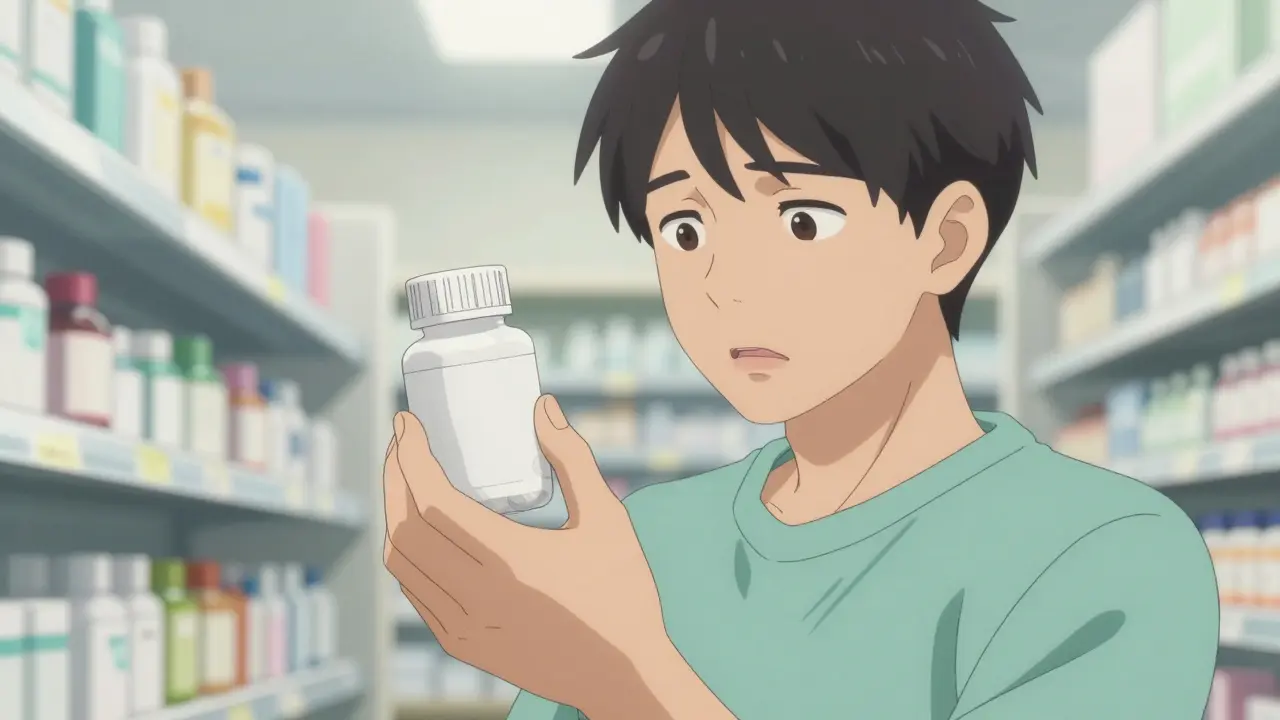
Imagine buying a piece of cake that turns out to have peanuts in it, even though you asked for none. That feeling of betrayal by a label happens often in the pharmacy aisle. It starts with a prescription label that looks clean and safe, but hides something dangerous in the mix. For people managing allergies, the difference between a food label and a medicine label is actually life-or-death knowledge. While food packaging has strict rules, medicine comes with its own confusing set of hidden traps. You need to know exactly where to look to avoid a reaction.
We live in a world where we expect Prescription Labels to contain comprehensive safety information about the medication being dispensed. In reality, many patients don't realize that the bottle in front of them might not list every single ingredient by name. Instead, they rely on a small print sheet tucked inside the box or assume the liquid pill coating is just sugar. This assumption is risky because manufacturers can change formulations without updating the outer bottle. Let’s break down exactly how to find what matters when you’re staring at a prescription bottle.
Decoding the Difference Between Active and Inactive Ingredients
The biggest confusion stems from the difference between what heals you and what fills the space. Every medicine has two lists hiding somewhere on the paperwork. The first is the active ingredient, which is the part that does the actual work, like cetirizine stopping your sneezing. The second is the group called Inactive Ingredients are substances included in medication formulations that do not have a direct therapeutic effect but serve roles like binding or coloring.
It sounds boring until you realize that "inactive" doesn't mean "safe for everyone." These fillers provide the bulk of the tablet or stop it from dissolving too fast. A study published recently noted that approximately 4% of adults have specific medication allergies. Often, these reactions happen to things like lactose, which is milk powder, or gluten found in some wheat-based binders. If you have a severe dairy allergy, a standard white tablet could trigger hives or worse, because it holds together with milk sugar. The problem is that the white sticker on the bottle rarely lists these details clearly.
Why Medicine Labels Differ From Food Regulations
You probably learned to scan food packages for bold allergen warnings. That training is excellent for groceries, but it fails when you walk into a pharmacy. There is a massive regulatory gap here. In 2004, laws like FALCPA forced food companies to highlight top allergens like eggs or nuts. Later, in 2023, sesame was added to that list under the FASTER Act. Now, if you buy bread, you see a big "Contains: Sesame" warning.
Medicine doesn't follow this playbook yet. Reports from the FDA indicate that there is no standardized system forcing drug makers to list allergens the same way food companies must. This means a bottle of pills won't always have a "Contains: Peanut Oil" alert, even if peanut oil was used in manufacturing. A major report from early 2025 highlighted that inactive ingredients in medicines are not subject to standardized allergen labeling. This inconsistency creates a unique hazard for allergy sufferers who are accustomed to strict rules in their kitchen.
Locating Ingredient Information on Your Prescription Bottle
So, where do you actually look when the bottle label is blank on fillers? Start with the container itself, but keep your expectations managed. The external label on a prescription bottle usually prioritizes the drug name, dosage, and instructions. Sometimes, there is a barcode or a lot number, but rarely a full ingredient breakdown. However, don't dismiss the bottle immediately. Look at the back of the label or any attached paper slips.
If the label is insufficient, your next stop is the inside of the box. Most medications come in a cardboard carton containing a "Package Insert." This document is essentially a manual written for healthcare professionals, but it contains everything you need to know. It will explicitly list excipients-the fancy term for inactive ingredients. Reading this requires patience, but it is your primary safety net. If you have a digital version, search for the word "excipients" or "other ingredients" to skip straight to the relevant section.
Hidden Risks in Generic Medications
A major source of surprise is switching brands. This happens often when insurance plans change which pharmacy network they use. You might go from Brand X to Brand Y. Even if the active drug is identical, the inactive ingredients might be totally different. One brand might use starch for binding, while another uses a gelatin capsule or dye.
For example, many generic pain relievers use dyes that look innocent but act as triggers for sensitive people. Tartrazine is a yellow dye used frequently that causes issues for aspirin-allergic people. Another hidden danger is mannitol, a sugar alcohol often found in tablets. Without checking the specific batch or formula, you might unknowingly ingest a trigger during a routine refill. Experts recommend treating a new brand name as a completely foreign product and reviewing the insert before taking the first dose.
The Pharmacist Partnership: Questions to Ask
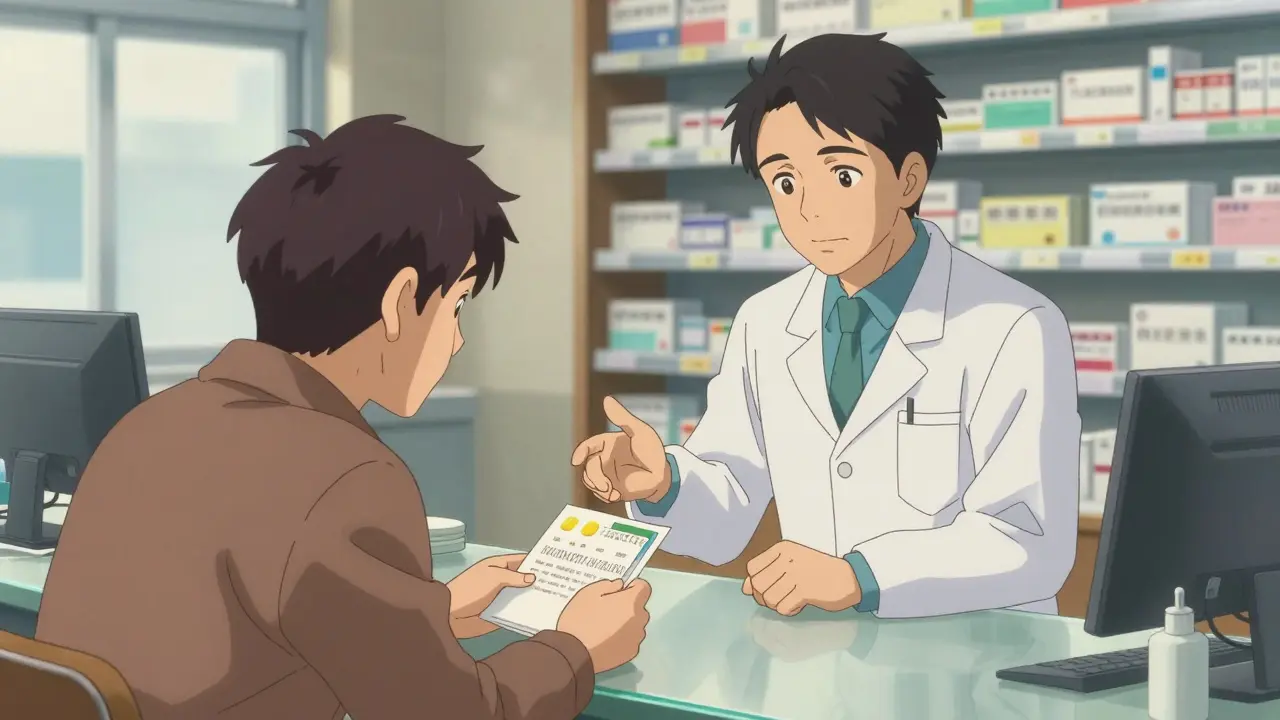
Your pharmacist is the ultimate resource, but you have to ask the right questions. Walking in and asking "Is this safe for my allergy?" often yields a guess. You need a concrete answer. Instead, ask them to verify the specific inactive ingredients against your known sensitivities.
| Label Type | Allergen Standardization | Common Format | Visibility Risk |
|---|---|---|---|
| Food Labels packaged food products subject to FALCPA regulations | High (Mandatory) | Bold "Contains" Statement | Low |
| Medication Labels | Low (Often Voluntary) | Small Print or Package Insert | High |
When you pick up a script, ask your Pharmacist a licensed healthcare professional who dispenses medication and provides medical advice three specific things:
- Can you provide the full list of inactive ingredients? Don't settle for "it's fine." Ask for the written list if it's not on the bottle.
- Has this formulation changed recently? Manufacturers sometimes switch sources for fillers without telling customers. Ask about the most recent production batch.
- Are there alternative brands available? If Brand A has a risk, ask if Brand B uses a different binder.
This approach transforms the interaction from a casual pickup to a safety verification. Some pharmacists have access to internal databases that show exactly which dyes or binders a manufacturer uses for specific batches. They are the bridge between the complex technical data in the insert and your daily safety.
Tools for Digital Verification
In addition to physical checks, technology is catching up. Several smartphone apps now claim to scan barcodes and tell you if a product is safe. However, be careful relying solely on a phone screen. As of 2026, many apps still pull data from older databases that might not reflect recent formula changes in 2025 or 2026.
Digital tools work best when combined with expert advice. If an app gives you a green light, double-check with the pharmacist. On the flip side, apps can help you quickly flag "red flag" ingredients you want to avoid. There are also online resources maintained by patient advocacy groups that list which common generic drugs contain lactose or gluten. Cross-referencing a pill with these community-curated lists adds a layer of safety before you even leave home.
Managing Anxiety Around New Prescriptions
Living with an allergy means you live with a low-level hum of anxiety. You wonder if this new medicine will cause a flare-up. Statistics show that nearly 78% of food allergy reactions happen from products families thought were safe, and medicine carries similar risks. To manage this, adopt a consistent habit. Make reading the package insert part of your routine, just like checking the expiration date.
Keep a personal file of the brands you know are safe. When your doctor prescribes something new, check your list. If you find a match that worked well before, ask for that specific brand. It takes effort, but it eliminates the guessing game. You aren't just filling a prescription; you are verifying a contract for your health.
12 Comments
Dan Stoof
30 March, 2026It really blows my mind that we trust these little bottles without double checking! We need to take charge of our own health security right now! The stakes are incredibly high for us families!
Biraju Shah
31 March, 2026I tell you straight up that relying on food label logic for medicine is dangerous nonsense.
Marwood Construction
2 April, 2026The distinction regarding regulatory compliance is indeed substantial. One must understand the legal framework before assuming safety protocols are met. Medical dispensing operates under different statutes than consumer goods retail.
William Rhodes
3 April, 2026We have to stand up for ourselves when the system fails us completely. It is unacceptable that we cannot know what goes into our veins. People suffer silently because nobody told them the truth about excipients. You have to read every single line of text yourself. Do not trust the sticker on the bottle blindly ever again. This kind of negligence kills people every single year. We demand better transparency from these big pharma companies immediately. The cost of living with fear is simply too high for anyone. Imagine being allergic to corn starch in your heart medication. That is exactly why we need to stay vigilant always. Every refill is a new opportunity to catch a mistake early. Your life depends on the binder used in that tablet sometimes. There is no room for error when your immune system is sensitive. We must educate ourselves on every chemical compound listed there. Knowledge is the only weapon we truly possess in this fight. Stay safe out there everyone!
Michael Kinkoph
5 April, 2026How utterly pathetic that average consumers struggle with basic comprehension skills!!! Most intelligent people simply assume the packaging is accurate enough!!!! They refuse to do the research required for survival!!!!
sanatan kaushik
6 April, 2026It gets hard when you switch pharmacies often. My cousin had trouble with generic brands last month. He got sick because the dye changed slightly. Just keep checking the box inside. It helps a lot.
Debbie Fradin
7 April, 2026It is absolutely hilarious how everyone assumes the pharmacist is infallible. We act like they have magical eyes that see everything inside the tablet. The FDA has never mandated clear labeling for hidden ingredients. Why do we expect miracles from a cardboard box? Manufacturers love changing binders without telling anyone. It keeps us guessing which pill will ruin our weekend. Anxiety becomes a full-time job managing these invisible risks. We spend hours researching online forums instead of working. The burden of safety falls entirely on the patient shoulder. Insurance pushes generics that might trigger a severe reaction. Nobody wants to admit that a standard painkiller could be lethal. We normalize the risk until something bad actually happens. Then we blame the doctor who prescribed it originally. It is a cycle of ignorance that feeds the corporate machine. Stop waiting for regulations to save your life today. Take responsibility for what enters your body now.
Adryan Brown
8 April, 2026I understand the frustration completely regarding the lack of standardized information everywhere. It creates a significant barrier for patients trying to manage chronic conditions effectively. The disconnect between policy makers and real world needs is glaringly obvious to us all. We cannot simply ignore the potential hazards present in everyday medication supplies. Reading the fine print takes time that most working adults simply do not possess anymore. However skipping the process entirely leaves individuals vulnerable to preventable health complications later. Community support networks might offer some relief during these verification processes certainly. Sharing verified safe brands online helps reduce the workload significantly for others. We must prioritize caution over convenience when dealing with serious allergic reactions. Small changes in formulation can lead to massive consequences down the road eventually. It is better to ask questions at the counter than suffer through symptoms later. Pharmacists are trained professionals who can clarify confusing lists effectively. Building rapport with your local provider ensures faster answers next time. Education remains the most powerful tool against these systemic issues currently. Collective vigilance strengthens the entire healthcare ecosystem moving forward together.
Christopher Curcio
10 April, 2026Patient adherence suffers when pharmacovigilance data isn't transparent regarding excipient profiles. Many individuals experience hypersensitivity reactions due to undiagnosed filler components. The cross-reactivity potential increases significantly with certain carbohydrate-based binders. We need better documentation protocols across all dispensing facilities globally.
Angel Ahumada
10 April, 2026You think jargon solves the problem though. Real understanding comes from deeper analysis. Most people just want simple answers though
dPhanen DhrubRaaj
11 April, 2026just read the insert. dont guess. stay safe.
Vikash Ranjan
12 April, 2026I disagree that jargon is useless here. Precise terminology matters when discussing specific chemical triggers. Simplifying it too much hides the exact danger involved. You need technical details to spot the difference.