
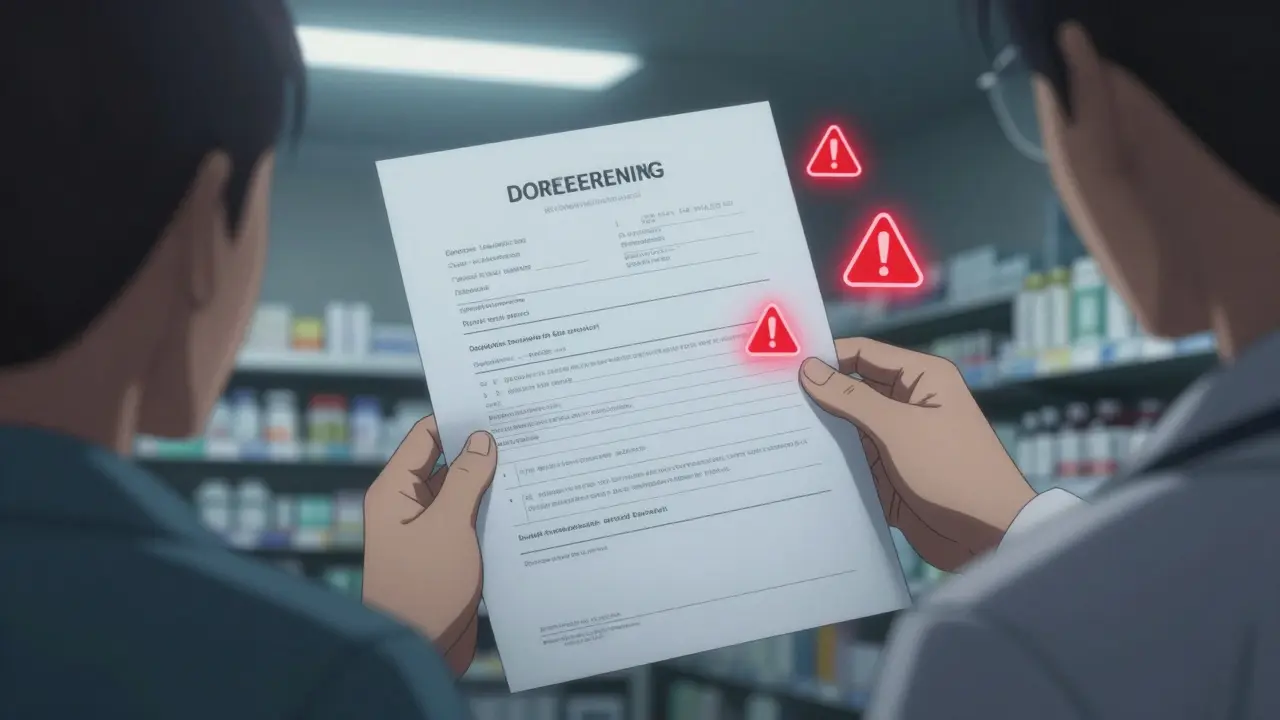
When your doctor prescribes a generic medication and the pharmacy says it’s not covered, it’s not a mistake. It’s a non-formulary generic - a drug that’s FDA-approved, affordable, and effective, but your insurance plan simply doesn’t list it. This happens more often than you think. In 2022, over 12.7% of all generic prescriptions were blocked by formulary restrictions, according to IQVIA. For people managing chronic conditions like diabetes, Crohn’s disease, or epilepsy, this isn’t just an inconvenience - it’s a health risk.
Why your generic drug isn’t covered
Insurance plans create formularies - lists of drugs they’ll pay for - to control costs. Even though generics are cheaper than brand-name drugs, insurers still pick which ones to cover. They often choose one or two from each drug class, leaving others out. For example, if your plan covers generic metformin but not metformin ER, and you need the extended-release version because the regular one gives you severe stomach issues, you’re stuck. The plan doesn’t care about your side effects. They care about cost.The system isn’t broken - it’s designed this way. But federal law requires insurers to have a way out: the exceptions process. If your doctor can prove you need the non-formulary drug for medical reasons, the plan must review it. And most of the time, they approve it - if you do it right.
Step 1: Get the denial in writing
Don’t take the pharmacist’s word for it. Ask for a Coverage Determination form. By law, the plan must give you this within 24 hours of your request. This document explains why the drug was denied and tells you how to appeal. Keep a copy. You’ll need it.Step 2: Get your doctor involved - the right way
Your doctor isn’t just a signature on a form. They need to explain why the formulary alternatives won’t work. Generic versions aren’t all the same. A 2023 study by the American Medical Association found that 88% of physicians spend over 13 hours a week just filling out prior authorization forms. But here’s the key: the most successful appeals include specific clinical data.Don’t just write: “Patient needs this drug.” Instead, your doctor should say:
- “Patient tried two formulary alternatives - generic metformin and glipizide - both caused severe nausea and vomiting, leading to hospitalization in 2022.”
- “HbA1c dropped from 9.2 to 6.8 on this specific formulation. Switching back would risk uncontrolled diabetes.”
- “Fecal calprotectin levels remain elevated on other mesalamine brands, indicating active inflammation.”
These aren’t opinions. They’re measurable facts. The Crohn’s & Colitis Foundation found that 74% of exception requests with this level of detail were approved on the first try.
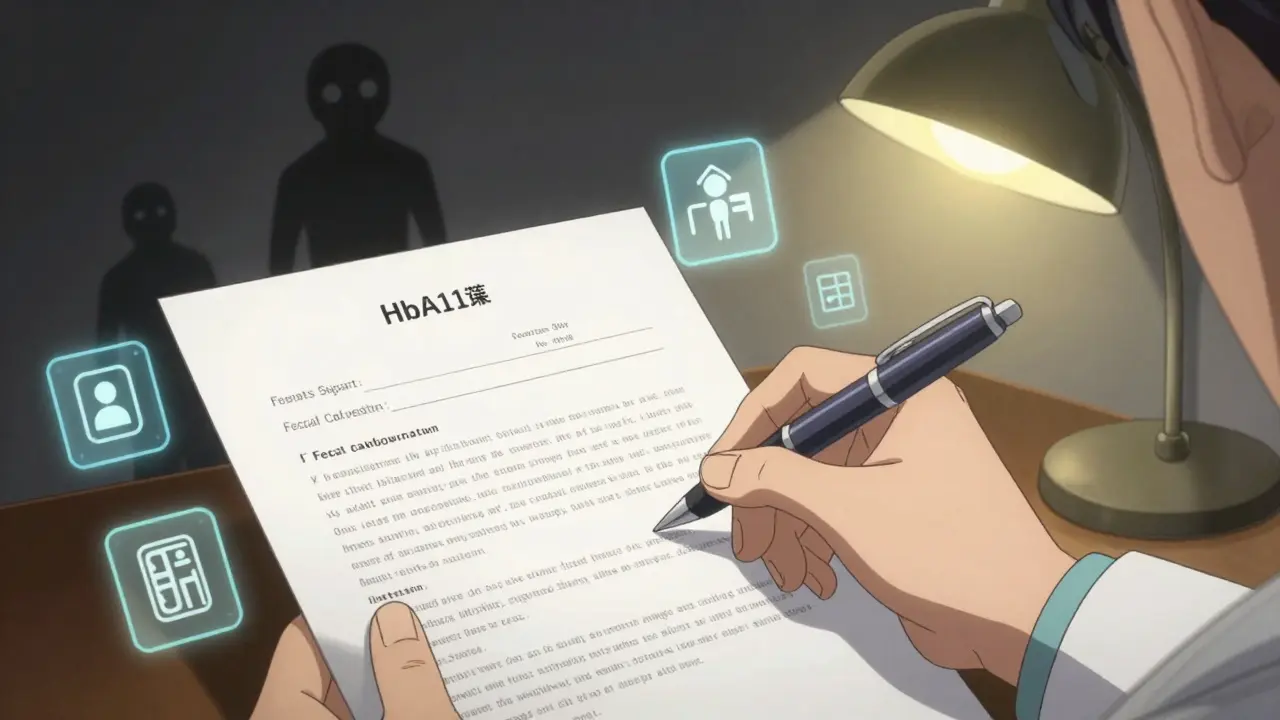
Step 3: Request an expedited review if needed
If you’re running out of medication or your condition is worsening, you can ask for an urgent exception. Federal law says plans must respond within 24 hours for urgent cases. What counts as urgent? If you’re having a flare-up, missing doses is causing complications, or you’re at risk of hospitalization. You don’t need to prove it - your doctor just needs to check a box on the form saying “urgent.”And here’s something most people don’t know: if your request is urgent, the plan must give you a 72-hour emergency supply of the drug while they review it. But a 2023 compliance report by QuickRx Specialty Pharmacy found that 37% of plans skip this step. If they refuse, file a complaint with your state’s insurance commissioner. They have the power to force compliance.
Step 4: Appeal if denied - and know your timeline
If the first request gets denied, you have 60 days to file an internal appeal. Don’t wait. The longer you wait, the more you pay out-of-pocket. SmithRx data shows patients pay 3.7 times more for non-formulary generics - sometimes over $400 a month instead of $15.When you appeal, include:
- The original denial letter
- Your doctor’s detailed letter
- Pharmacy records showing how long you’ve been on the drug
- Lab results proving the current drug works
GoodRx’s 2023 survey found that 63% of people who appealed were successful. That’s better than flipping a coin. And if the internal appeal fails, you can go to an external review - an independent third party hired by the government. This step is free, and you have 60 days to request it.
What to expect - and what not to expect
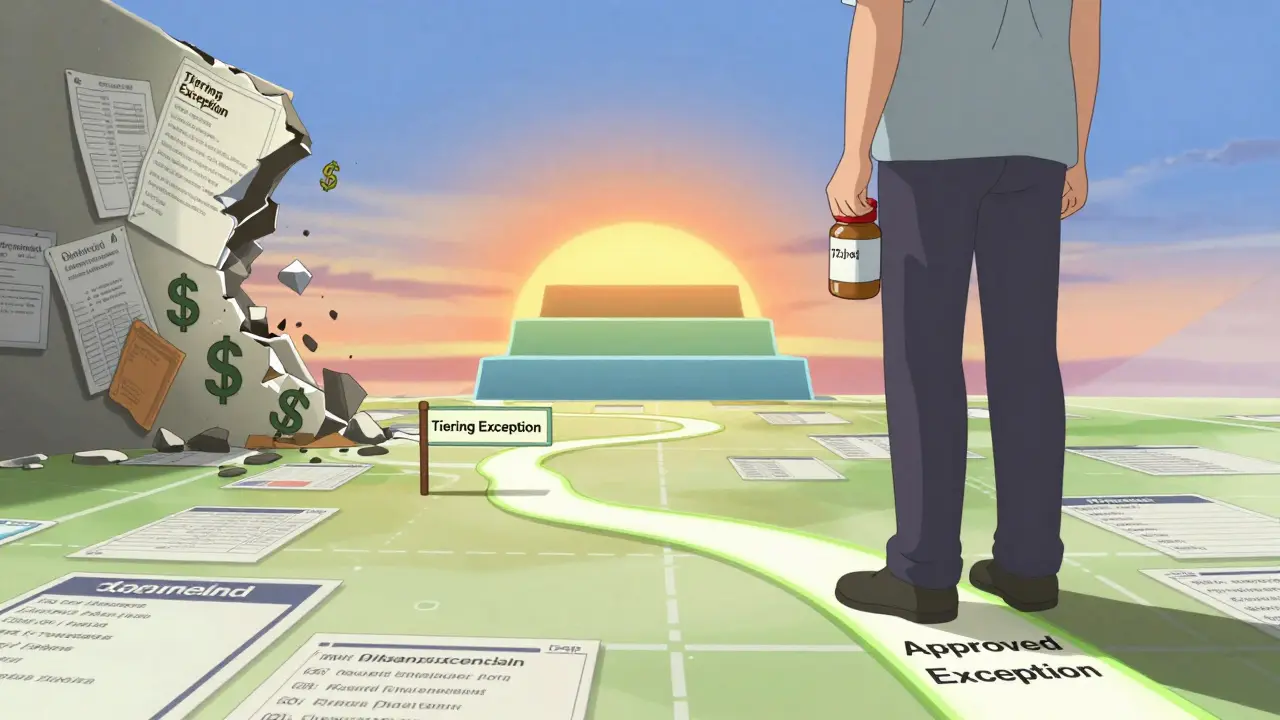
There’s a big myth: “If they approve the drug, they’ll put it on a lower cost tier.” That’s not true. Even if you win the exception, your plan can still charge you the highest tier price. Dr. Mark Parisi from MMIT says this is one of the biggest traps. You get the drug - but you’re still paying $300 a month.What you can do: ask for a tiering exception separately. This is a different request. You’re not asking if the drug is covered. You’re asking: “Can this covered drug be placed on Tier 2 instead of Tier 4?” Many patients don’t know this is possible. It’s not automatic. You have to ask.
Real stories - what works
On Reddit, a user named PharmTechSarah spent four months fighting a denial for generic mesalamine. Her first two requests were rejected. The third included her colonoscopy results and a letter from her GI specialist detailing her 12-year history of flare-ups. Approved on the fourth try. She paid $0 out-of-pocket after the appeal. Another patient, DiabetesWarrior, paid $417 for 90 days of metformin ER after a denial. She submitted her A1c history, ER visits, and a note from her endocrinologist. Her appeal was approved. The plan covered the drug going forward - but she still had to pay the full price for the 90 days she went without.These stories aren’t rare. They’re common. And they all followed the same pattern: clear data, persistence, and knowing the rules.
What’s changing in 2026
New rules are coming. Starting in 2024, Medicare Part D plans must automatically approve exceptions for insulin and naloxone - no paperwork needed. By 2025, CMS plans to link the exception system directly to electronic health records. That means your doctor’s notes will auto-populate into the appeal form. It should cut approval time by 40%.But there’s a dark side. More insurers are moving certain generics - like bioidentical hormones or compounded medications - into “specialty pharmacy carve-outs.” These aren’t covered under standard formularies at all. They’re treated like expensive specialty drugs. That’s a new loophole. Watch for it.
What you can do right now
If you’re facing a denial:- Get the written denial from the pharmacy.
- Call your doctor’s office and ask for a coverage determination form. Tell them you need it for a medical exception.
- Ask your doctor to include lab values, previous failed attempts, and specific side effects.
- If you’re running out of meds, ask for an urgent review and emergency supply.
- File an appeal within 60 days - don’t wait.
- Separately, ask for a tiering exception to lower your cost-sharing.
You’re not asking for a luxury. You’re asking for a medically necessary drug that’s been denied for administrative reasons. The system works - if you use it right.
What is a non-formulary generic?
A non-formulary generic is a generic medication that your insurance plan doesn’t list on its approved drug list (formulary). Even though it’s FDA-approved and cheaper than brand-name drugs, the plan chose not to cover it - usually to control costs. This means you’ll pay full price unless you successfully appeal.
Can I appeal a denial for a non-formulary generic?
Yes. Federal law requires all insurance plans to have an exceptions process. You can appeal if your doctor proves the drug is medically necessary and alternatives would be ineffective or harmful. Approval rates are high - 68% for Medicare Part D in 2022 - if you provide clear clinical evidence.
How long does the appeal process take?
For standard requests, plans must respond within 72 business hours. For urgent cases - like a worsening condition or running out of medication - they must respond within 24 hours. If denied, you have 60 days to file an internal appeal, and another 60 days to request an external review, which can take up to 21 days total.
Do I have to pay full price while waiting for an appeal?
Not if your case is urgent. Federal law requires insurers to provide a 72-hour emergency supply of the drug while your appeal is reviewed. Many plans ignore this rule, but you can file a complaint with your state’s insurance department to force compliance.
Can I get the drug on a lower cost tier after approval?
Not automatically. Even if your exception is approved, the plan can still charge you the highest tier price. You need to file a separate request called a tiering exception to ask for lower cost-sharing. This is often overlooked but can save hundreds per month.
Why do some generic drugs get denied more often than others?
Drugs for gastrointestinal conditions like Crohn’s disease have the lowest approval rates - only 52% in 2022 - because insurers believe there are enough alternatives. But for drug classes like anticonvulsants or insulin, approval rates are over 95% because federal rules require them. The more specific your clinical evidence, the better your chance.
What should my doctor include in the appeal letter?
Your doctor should include: 1) Why all formulary alternatives failed or caused side effects, 2) Specific lab results or clinical markers proving the non-formulary drug works for you, 3) Dates of previous failed treatments, and 4) Risk of harm if you switch. Generic examples: HbA1c levels, fecal calprotectin, seizure frequency, or blood pressure readings.
Are there new rules coming in 2026?
Yes. Starting in 2024, Medicare Part D plans must automatically approve exceptions for insulin and naloxone. By 2025, CMS plans to integrate the exception process with electronic health records, which could cut approval times by 40%. But new gaps are emerging - like specialty pharmacy carve-outs for certain generics - which may create new coverage holes.
12 Comments
Rachele Tycksen
26 March, 2026lol i just paid $300 for my metformin er bc my plan said no lol. they dont even care if you die. just sayin.
Blessing Ogboso
27 March, 2026As someone from Nigeria where access to consistent medication is already a battle, this post hit me hard. Here, we don't even have formularies - we have hope. I’ve watched friends skip doses because the generic they needed wasn't available at all, not just denied. The fact that in the U.S. there's a process - even if broken - is still a luxury. I wish more people understood how lucky they are to even have an exceptions system. My cousin in Lagos is on insulin and pays 30% of her monthly income for vials. No appeals. No forms. Just prayers. I'm glad this info exists, but it also makes me feel guilty for having the privilege to fight for coverage at all.
And yes, the doctor’s letter needs to be specific. I’ve seen too many vague notes get rejected. Lab values. Dates. Side effects. Numbers. Not just "patient needs it." That’s like asking for a visa and saying "I really want to go."
Also, the 72-hour emergency supply rule? I didn’t know that. That’s huge. I’m printing this out and sharing it with my local support group. We need to be smarter about this. The system’s rigged, but we can still hack it.
And if you’re reading this and you’re a nurse or pharmacist? Please, for the love of all that’s holy, don’t just shrug and say "it’s not covered." Point them to the form. Help them write the letter. You’re the real MVP here.
Also, 2025 EHR integration? I’m skeptical. My doctor’s EHR still thinks my name is "Blessing Ogboso Jr." and my birthday is 1987. We have a long way to go.
But still - this is good. Thank you for writing this.
Aaron Sims
28 March, 2026So... let me get this straight... the government forces insurance companies to cover drugs... but only if you jump through 17 hoops... and your doctor has to write a 10-page novel... and then you still might pay $300/month??? And you think this is a SYSTEM?? This isn't a system. This is a psychological torture device designed by people who hate poor people and love paperwork. Also, I bet the CEOs of these companies are all on the same private island, sipping champagne while laughing at our suffering. I'm not surprised. They're probably also the ones who invented "prior authorization" as a euphemism for "we don't want to pay you to live."
J. Murphy
28 March, 2026formularies are dumb. doctors should just prescribe what works. insurance is a scam. period.
Jesse Hall
29 March, 2026Just wanted to say thank you for this. I’ve been fighting a denial for my mesalamine for 5 months. First denial, second denial, then I cried in the pharmacy parking lot. Then I found this exact guide. I used your template. My GI wrote the letter with my fecal calprotectin levels and my ER visit dates. Approved on the third try.
I’m not gonna lie - I almost gave up. But I kept going. And now I’m paying $18/month instead of $320.
If you’re reading this and you’re stuck - don’t quit. You’re not alone. This system is broken, but it’s not unbeatable.
Also - shoutout to my doctor’s office for actually calling me back. They’re rare. I love you, Dr. Patel.
And yes - I did the tiering exception too. That saved me another $120/month. Don’t skip that step. It’s not magic. It’s just paperwork. And you can do it.
Sean Bechtelheimer
30 March, 2026this is all a lie. the real reason they deny drugs is because the pharmaceutical companies pay the insurance companies to only cover certain generics. they're all in cahoots. the FDA is fake. the whole system is a pyramid scheme. i know someone who got denied metformin and then found out the brand name was being sold on the dark web for $5. they're hiding the real cheap stuff. watch out.
rebecca klady
31 March, 2026i had to fight for my epilepsy med last year. took 3 months. the first letter my doctor wrote was too vague. i had to go back and say "use numbers. use dates. use my seizure log." they approved it after i sent them a spreadsheet. also - the emergency supply? i didn’t know that. i’m telling my neurologist. thanks.
Namrata Goyal
1 April, 2026this is why america is a joke. in india, we just buy generics at the local chemist for $2. no forms. no doctors. no drama. you want a drug? you pay. simple. this whole appeals process is just a way for rich people to feel like they're helping while still charging $400/month. also, "federal law"? lol. who cares what federal law says when the system is designed to fail you?
Alex Arcilla
3 April, 2026Bro. I just want to say - you’re not alone. I’ve been through this. Twice. Once for my Crohn’s med, once for my thyroid. The first time I cried. The second time? I printed out your exact steps and taped them to my fridge.
Also - the tiering exception? I didn’t know that existed until last month. I asked my pharmacist. She looked at me like I was from Mars. "You mean... you can ask for lower cost-sharing?" She had no idea. So I had to Google it. Then I called my plan. They were confused. Then they approved it. Saved me $210/month.
And yeah - the 72-hour supply? I’ve seen them refuse it. I filed a complaint with my state’s insurance commissioner. They called me back within 48 hours. Said "you’re right. We messed up." They sent me a $100 gift card. Like a consolation prize. But hey - I got my meds.
So yeah. This post? It’s real. It’s messy. But it works. Do the steps. Don’t give up. And if you’re a doctor? Write the damn letter. We’re not asking for miracles. We’re asking for our lives.
Jefferson Moratin
5 April, 2026The real issue isn’t whether the system works - it’s whether it was ever meant to serve patients at all. Formularies are not clinical tools; they are financial instruments disguised as medical policy. The fact that a drug’s approval hinges on whether it’s cheaper than its sibling - not whether it’s better for *you* - reveals a fundamental inversion of medical ethics.
Insurance companies don’t deny drugs because they’re unsafe. They deny them because they’re profitable to deny. The exceptions process exists not to protect patients, but to create the *illusion* of compassion - a regulatory smokescreen to avoid public outrage.
And yet, the system is still *functional* - because humans, not algorithms, are the ones processing these appeals. A well-written letter from a doctor still carries weight. A lab value still means something. A patient’s history still matters.
This is not a flaw in the system. It’s a loophole. And loopholes exist because people - not corporations - forced them into existence. So keep fighting. Not because the system is fair. But because you’re still human, and so is your doctor. And that, for now, is enough.
Zola Parker
5 April, 2026i love how people act like this is some kind of breakthrough. lol. we're all just pawns. the real answer? stop using insurance. go off-grid. buy meds from canada. or mexico. or the dark web. they're all cheaper. and safer. lol. also - if you're still using a pharmacy that doesn't have a loyalty program, you're doing it wrong. 🤡
J. Murphy
6 April, 2026tiering exception? never heard of it. thanks for the tip.