
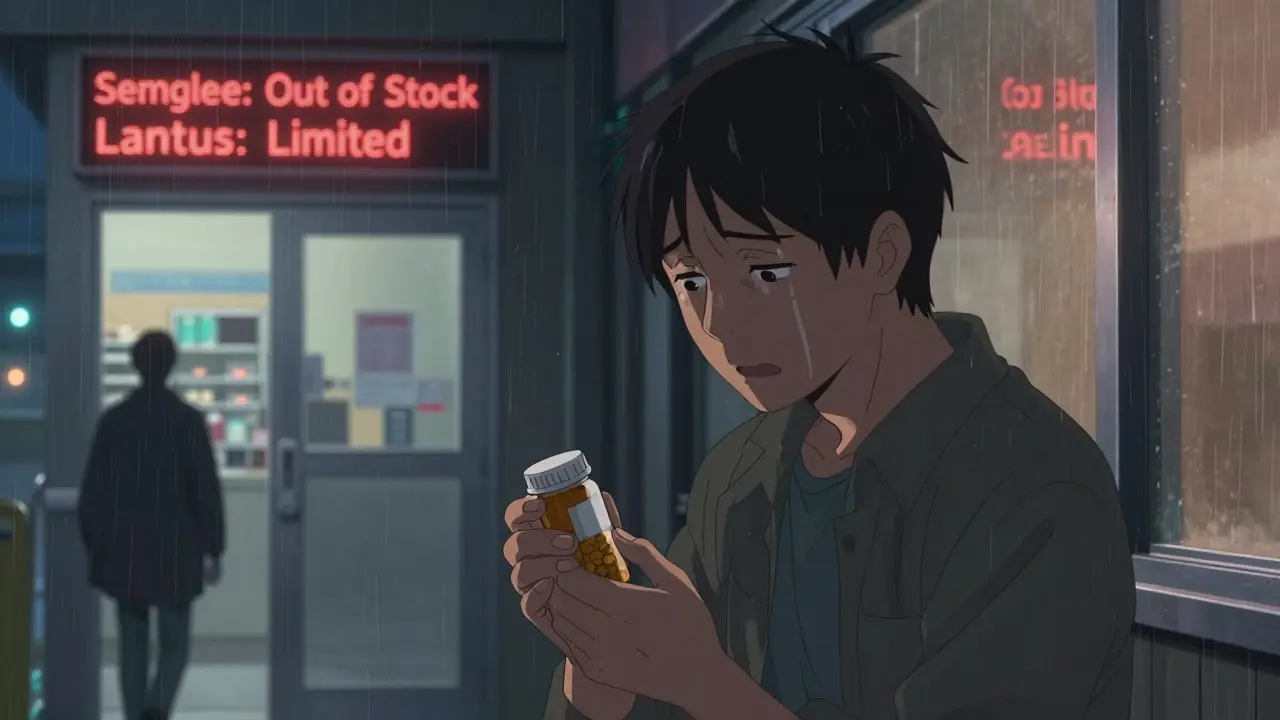
When your prescription runs out and the pharmacy says they don’t have it-again-you’re not alone. In 2025, over 1,900 prescription drugs were in short supply across the U.S. and Australia, from common antibiotics like amoxicillin to life-saving insulin and cancer treatments. These aren’t temporary glitches. Many shortages last over a year. Some have been going on since 2022. And if you’re relying on one of these drugs, waiting isn’t an option.
Why Medication Shortages Keep Happening
It’s not just bad luck. Most shortages come from a broken system. Eighty-five percent of generic drugs are made by just five manufacturers. If one factory has a quality issue, a power outage, or a supply chain delay, it can knock out half the country’s supply of a drug overnight. That’s what happened with insulin in early 2025. Semglee, a cheaper biosimilar to Lantus, suddenly disappeared from shelves. Pharmacies didn’t know why. Patients didn’t know where to turn. The FDA started monthly inspections of critical drug factories in January 2025. That helped cut new manufacturing shortages by 15%. But it doesn’t fix the root problem: too few suppliers, too little backup. Even when a drug is approved, companies often stop making it because it’s not profitable enough. That’s why you’ll see shortages of cheap, old drugs like acetaminophen injection or chemotherapy agents-precisely the ones people need most.What You Can Do Right Now
The first thing to do? Don’t stop your medication. Stopping cold turkey can make your condition worse-or even be dangerous. Instead, follow these steps:- Check the FDA Drug Shortage Database. It’s free, updated daily, and lists current shortages with possible alternatives. Type in your drug name. If it’s listed, you’ll see what substitutes are approved.
- Call your pharmacy-multiple times. Don’t just call your local store. Try mail-order pharmacies, hospital pharmacies, and even pharmacies in neighboring suburbs. One patient in Sydney spent three days calling seven pharmacies before finding Semglee for their child.
- Ask your pharmacist about alternatives. Most major pharmacy chains now have pharmacists trained specifically for shortage situations. They know which drugs are interchangeable and which require a new prescription.
- Talk to your doctor about switching. Not all alternatives are the same. For example, if you’re on Semglee, Lantus can often be swapped in without a new script because they’re biosimilar. But Toujeo or Tresiba? Those need a new prescription. Your doctor can help you pick the safest option.
- Check your insurance. During shortages, insurers often change their formularies. Blue Cross NC removed prior authorizations for Lantus in March 2025. Call your insurer or log in to your account. You might be able to get a substitute at no extra cost.
When Alternatives Aren’t Perfect
Sometimes, there’s no exact substitute. That’s where things get tricky. For example, during the amoxicillin shortage, doctors started prescribing azithromycin instead. But azithromycin doesn’t work the same way. It’s less effective for some infections and can cause more stomach upset. In hospitals, doctors began using alteplase for pulmonary embolisms because they couldn’t get the usual clot-busting drugs. Usage jumped from under 6% to nearly 28% in some places. But studies show it’s not as reliable for every case. For chronic conditions like autoimmune diseases, shortages can force dose reductions. One study found that patients taking sarilumab cut their monthly dose from 84 mg to just 28 mg during a shortage. Treatment duration dropped from 104 days to just one day in some cases. That’s not ideal. But it’s better than stopping completely.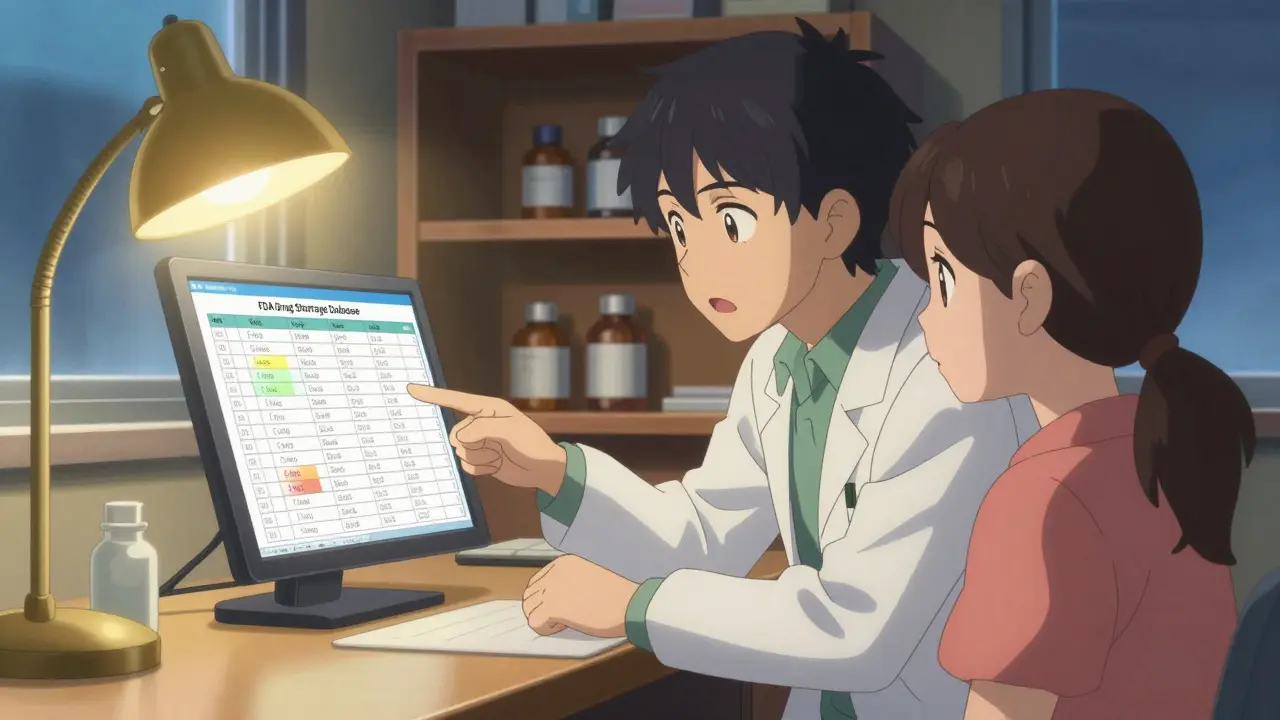
What’s Being Done to Fix This
Some states are stepping up. Hawaii’s Medicaid program now allows doctors to prescribe drugs approved in other countries-like Canada or the EU-if U.S. supplies run out. That’s a big deal. It means you might get a version of your drug made in Germany or France. But it requires special FDA waivers and isn’t available everywhere yet. New Jersey proposed letting pharmacists hand out emergency insulin supplies without a prescription during shortages. California, New York, and Massachusetts are stockpiling critical drugs like medical abortion pills and chemotherapy agents in case federal policies block access. The biggest hope? Real-time data. Right now, the FDA database tells you if a drug is in shortage. But it doesn’t tell you if your local pharmacy has any left. New York is working on a searchable online map that shows which pharmacies have stock. Pilot programs in 47 major health systems using real-time inventory tools have cut the time to find alternatives by 28%. That’s life-changing when you’re running out of insulin.What Patients Are Saying
Reddit threads from r/pharmacy in March 2025 are full of stories. One user, DiabeticDad87, wrote: “I called 7 pharmacies over 3 days. One said they had Semglee-but it was expired. Another said they’d get it next week. I cried in the parking lot.” But not all stories are bad. A Sterling Institute survey found that 68% of patients who talked to their doctor about alternatives successfully switched without problems. Many found relief through mail-order pharmacies covered by insurance. Others reached out directly to drugmakers. Pfizer gave out exact timelines for amoxicillin restocks-helping families plan ahead. The scary part? 32% of patients just stopped taking their meds. Some ran out of money. Others got frustrated. Some didn’t know what else to do. That’s the real danger-not the shortage itself, but the silence around it.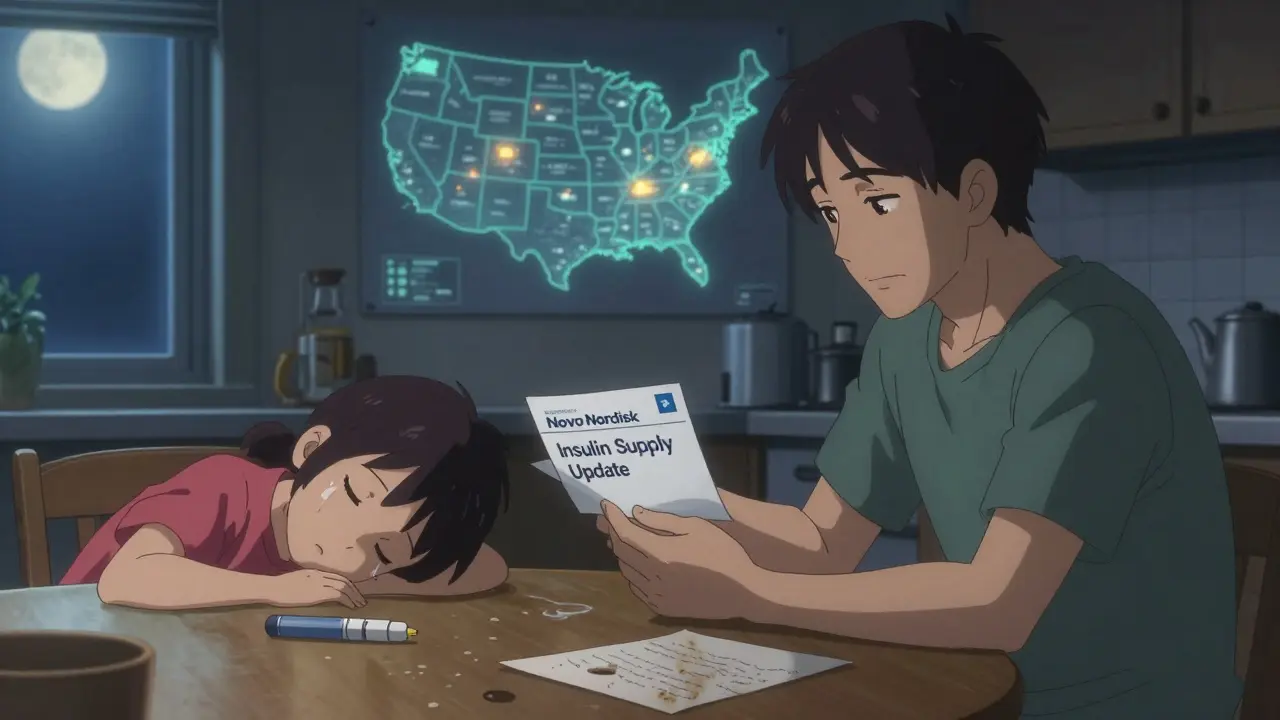
How to Stay Ahead of the Next Shortage
Shortages aren’t going away. But you can prepare:- Ask your doctor now: “What’s my backup if this drug runs out?” Get it in writing.
- Keep a 30-day supply on hand if possible. Some insurers allow early refills during shortages.
- Sign up for drugmaker alerts. Companies like Eli Lilly and Novo Nordisk send out shortage updates via email.
- Know your state’s rules. Some let pharmacists switch drugs without a new script. Others don’t.
- Use your pharmacist. They’re not just the person who hands you the bottle. They’re your best ally in a shortage.
When to Seek Help
If you’re running out of a critical drug-like insulin, seizure medication, or chemotherapy-and you can’t find a replacement within 48 hours, call your doctor’s office after hours. Many clinics have on-call pharmacists or emergency protocols. If you’re in Australia, contact your local hospital pharmacy. They often have emergency reserves. Don’t wait until you feel sick. Don’t assume someone else will fix it. Your health is your responsibility-and you have more power than you think.What should I do if my insulin is out of stock?
First, don’t skip doses. Contact your pharmacy and ask if they have Lantus, Toujeo, or Tresiba. Semglee and Lantus are interchangeable biosimilars, so your pharmacist can often switch you without a new prescription. If they don’t have any, call your doctor. Many insurers lifted prior authorization requirements during the 2025 shortage. You may be able to get Lantus covered at no extra cost. If all else fails, reach out to the manufacturer-Novo Nordisk and Eli Lilly both offer emergency supply programs.
Can I use a drug from another country if it’s not available here?
In some cases, yes. Hawaii’s Medicaid program allows foreign-approved drugs during shortages, and a few other states are considering similar rules. These drugs must still meet FDA safety standards and require special waivers. You can’t just order them online. Talk to your doctor or pharmacist first. They can help you navigate the legal process and ensure the drug is safe and appropriate for your condition.
Are generic drugs more likely to be in shortage?
Yes. About 90% of U.S. prescriptions are for generics, but only five companies make most of them. If one factory shuts down, dozens of drugs disappear. Brand-name drugs rarely run out because manufacturers have more resources and profit margins to keep production going. That’s why shortages hit antibiotics, insulin, and chemotherapy drugs hardest-they’re mostly generic and low-margin.
How do I know if an alternative drug is safe?
The FDA classifies drugs as “therapeutically equivalent” if they work the same way in your body. Look for the letter “A” next to the drug on the FDA’s database-this means it’s a safe substitute. Your pharmacist can also tell you. Never switch to a drug just because it’s cheaper or available. Ask: Does it treat the same condition? Is the dosage the same? Are the side effects similar? If you’re unsure, don’t take it.
What if my insurance won’t cover the alternative?
Many insurers temporarily lift restrictions during shortages. Call your insurer’s member services and ask: “Is there a temporary exception for [drug name] due to the shortage?” You may need to submit a letter from your doctor, but many approvals happen within 24 hours. If they say no, ask if you can appeal. Some states require insurers to cover alternatives during shortages. Your pharmacist can help you file the paperwork.
12 Comments
Joy F
3 January, 2026Let’s be real-this isn’t a shortage. It’s a calculated collapse of the pharmaceutical-industrial complex. Five corporations control 85% of generics? That’s not capitalism. That’s a cartel with FDA stamps. And don’t get me started on how they let insulin prices balloon while manufacturing quietly sputters. This is rent-seeking disguised as public health. We’re not talking about supply chains. We’re talking about profit maximization engineered through regulatory capture. The FDA’s monthly inspections? A PR stunt. They’re not breaking up monopolies. They’re just making sure the same five companies don’t all crash at once. The real solution? Nationalize generic production. Or at least force antitrust action. Until then, we’re all just scrambling for scraps while CEOs cash in.
veronica guillen giles
4 January, 2026Wow. So we’re supposed to be grateful that someone at a pharmacy remembered to call a supplier in Nebraska? 😏 Let’s not romanticize the chaos. The fact that you have to call seven pharmacies just to get insulin like it’s a scavenger hunt is a national disgrace. And yes, your pharmacist is ‘your best ally’-until they’re overworked, underpaid, and told by corporate to stop giving out free samples. This system doesn’t need more tips. It needs a revolution. But hey, at least we can all share our ‘resourceful’ stories on Reddit while the real villains sip champagne in Delaware.
JUNE OHM
5 January, 2026THEY’RE DOING THIS ON PURPOSE!! 🤯 I told you! The big pharma guys are working with the government to make us dependent on their expensive brand-name stuff! They let the generics disappear so we’ll panic and buy Lantus at $400 a vial!! And don’t you DARE think it’s a coincidence that Canada and the EU have cheaper versions right when this hits!! 🇺🇸🚫💊 They don’t want us healthy-they want us PAYING! I got my Semglee from a guy on Telegram who said he smuggled it in from Mexico. No receipts. No questions. Just trust me bro. 🚨
Philip Leth
5 January, 2026Man, I lived in India for a year and saw this up close. They’ve got this whole parallel system where pharmacies keep backup stocks of everything-even the weird stuff-because they’ve been dealing with shortages for decades. No FDA database? No problem. People just talk. Neighbors. Cousins. Local healers. Someone always knows where to get it. Here, we’re so used to convenience that when one pharmacy says ‘out,’ we just give up. We’ve forgotten how to network. Maybe we need to start acting like a village again, not a spreadsheet.
Angela Goree
5 January, 2026This is why we need borders CLOSED to foreign drugs!!! The FDA has standards for a reason!! Why are we letting Canada and Germany dictate our medicine?!? We’re a sovereign nation!! We don’t need foreign pills!! We need AMERICAN manufacturing!! And stop blaming the companies-THEY’RE TRYING!! It’s the regulators!! The regulators are the problem!! They’re too slow!! Too bureaucratic!! Too… too… SLOW!!
Tiffany Channell
7 January, 2026Let’s not pretend this is about access. This is about accountability. The 32% who stopped taking meds? They didn’t ‘get frustrated.’ They were told by their doctors to ‘wait it out’-while their insurance refused to cover the substitute. The real failure isn’t the shortage. It’s the medical system’s refusal to treat patients as humans. You don’t fix this with ‘tips.’ You fix it by holding insurers and manufacturers legally liable when someone dies because they couldn’t get a $0.50 generic. But that won’t happen. Because liability is expensive. And profit is sacred.
Ian Detrick
7 January, 2026There’s something beautiful here, buried under all the chaos. People are learning to advocate. To call. To research. To ask ‘what if?’ That’s power. We’ve been conditioned to obey prescriptions without question. Now? We’re becoming pharmacists, detectives, negotiators. That shift-from passive patient to active steward of your health-is the only real win here. The system may be broken, but we’re being remade. And that’s not nothing. It’s everything.
Angela Fisher
8 January, 2026They’re poisoning us. I know it. I just know it. The same people who made the vaccines also made these shortages. They want us weak. They want us scared. That’s why they let the insulin disappear-so we’ll panic and take the new stuff they’re pushing. And don’t even get me started on the ‘biosimilar’ nonsense. That’s just a fancy word for ‘almost the same but not really.’ My cousin’s dog got sick after eating a generic flea pill. They’re all connected. The FDA, the big pharma, the insurance companies-they’re all one big shadowy hand. I’ve been tracking this since 2020. I’ve got spreadsheets. I’ve got screenshots. I’ve got emails. I just need someone to listen. 🥺
Neela Sharma
8 January, 2026Here in India, we call this ‘chai pharmacy’-you ask three people, get three answers, and somehow you find the right one. No database. No app. Just trust, gossip, and a little luck. You learn to carry a backup. You learn to talk to strangers. You learn that health isn’t a product-it’s a community. The system here is broken too, but we don’t wait for permission to survive. We just… do. Maybe that’s the real lesson. Not the alternatives. Not the forms. But the courage to ask, to call, to keep going.
Shruti Badhwar
9 January, 2026While the proposed state-level interventions are commendable, they remain fragmented and insufficient. A national, federally coordinated strategic drug reserve system must be established immediately, with mandatory reporting thresholds for manufacturers and penalties for non-compliance. Furthermore, the current FDA approval process for generics must be streamlined to incentivize diversification of production sites. Without structural reform, localized solutions will continue to be reactive rather than preventive, perpetuating a cycle of crisis management rather than systemic resilience.
Michael Burgess
10 January, 2026My aunt had to switch from Semglee to Lantus last year. She was terrified. But her pharmacist sat down with her, printed out the FDA equivalence chart, called her doc, and even helped her fill out the insurance appeal. Three days later, she had her meds. No drama. No tears. Just someone who knew what they were doing. That’s the hero here. Not the system. Not the government. The pharmacist. The ones who show up, even when they’re tired. So next time you’re in line, say thanks. They’re holding the line.
Liam Tanner
10 January, 2026One sentence: Keep a 30-day supply, know your alternatives, and never assume your pharmacy has it-always ask the pharmacist directly. You’re not being paranoid. You’re being smart.