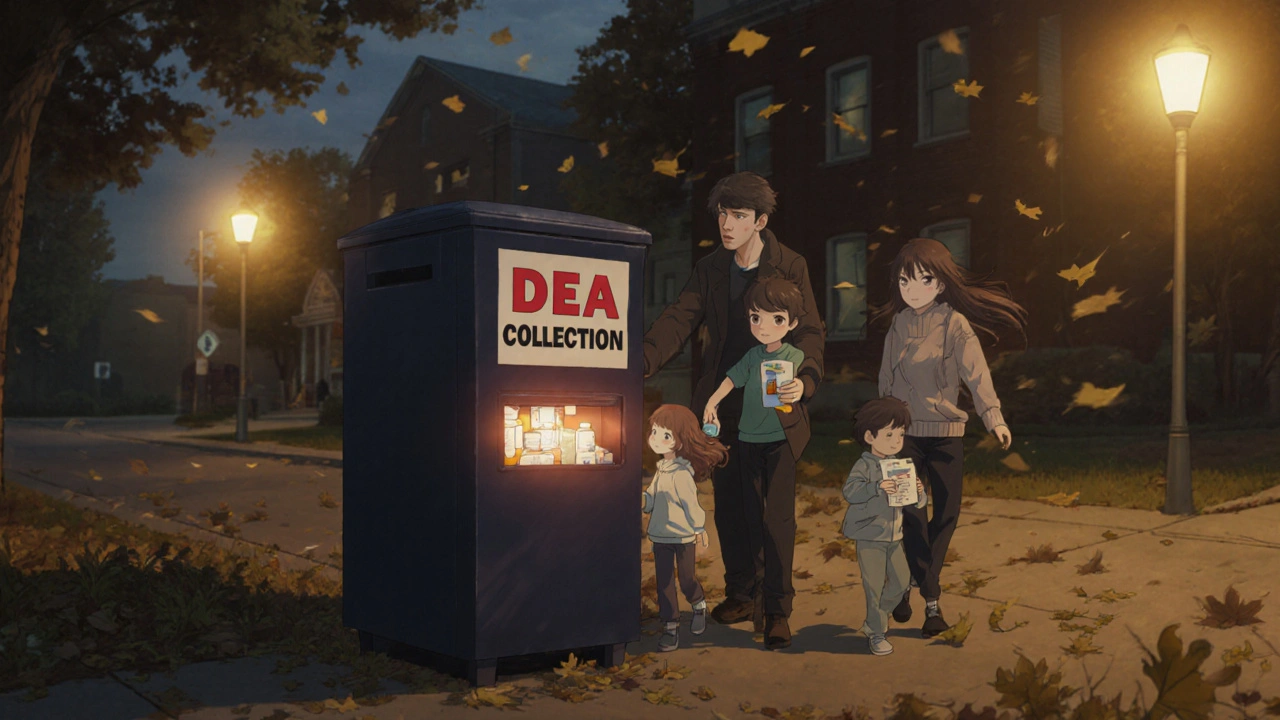
Drug Disposal: Safe Ways to Get Rid of Unused Medications
When you have old pills sitting in your medicine cabinet, drug disposal, the process of safely getting rid of unused or expired medications. Also known as pharmaceutical waste management, it’s not just about cleaning out clutter—it’s about preventing accidental poisonings, reducing environmental harm, and stopping drugs from falling into the wrong hands. Many people still flush pills down the toilet or toss them in the trash, not realizing these methods can contaminate water supplies, harm wildlife, or let kids and pets get into dangerous substances.
Proper medication safety, the practice of handling and storing drugs to avoid harm starts long before disposal. It includes keeping meds locked up, checking expiration dates, and talking to your pharmacist about what you no longer need. But once you’ve decided to get rid of something, the right method matters. The safest option? Take-back programs. Pharmacies, hospitals, and police stations often run free drop-off bins where you can leave unused prescriptions—no questions asked. These programs ensure drugs are incinerated properly, not dumped in landfills or flushed into sewage.
Not everyone lives near a take-back site. If that’s you, the FDA recommends mixing pills with something unappetizing—like coffee grounds or cat litter—putting them in a sealed container, and throwing them in the trash. Never crush pills unless instructed. And never leave them in their original bottles with your name on them; that’s a privacy risk. For certain high-risk drugs like opioids, the FDA has a flush list—but that’s the exception, not the rule. Most meds should never go down the drain.
Why does this matter? Because pharmaceutical waste, the leftover drugs that end up in the environment is a growing problem. Studies show traces of antidepressants, antibiotics, and hormones in rivers and drinking water. Fish are showing signs of hormonal disruption. Antibiotics in the environment fuel drug-resistant bacteria. And children find old painkillers in unsecured cabinets. This isn’t theoretical—it’s happening right now, in your neighborhood.
You don’t need to be an expert to make a difference. Just ask your pharmacist: "What’s the safest way to get rid of these?" Keep a small box in your bathroom for expired or unused meds. Check your local pharmacy’s website for take-back days. And if you’re managing multiple drugs—like those covered in our posts on polypharmacy and drug interactions—disposing of the ones you don’t need reduces clutter and risk.
There’s no magic trick. No app that scans your cabinet. Just simple, consistent habits. Clean out your medicine drawer every six months. Don’t wait until something expires. Don’t assume "it’s fine if I don’t use it." And don’t let guilt keep you holding onto pills you’ll never take again. Your health—and the planet’s—depends on what you do with the drugs you no longer need.
Below, you’ll find real-world advice from people who’ve dealt with this exact problem: how to handle leftover antibiotics, what to do with old painkillers, why some meds can’t be thrown away normally, and how to protect your family while keeping your home safe. These aren’t theoretical guides—they’re practical steps taken by real users who learned the hard way.