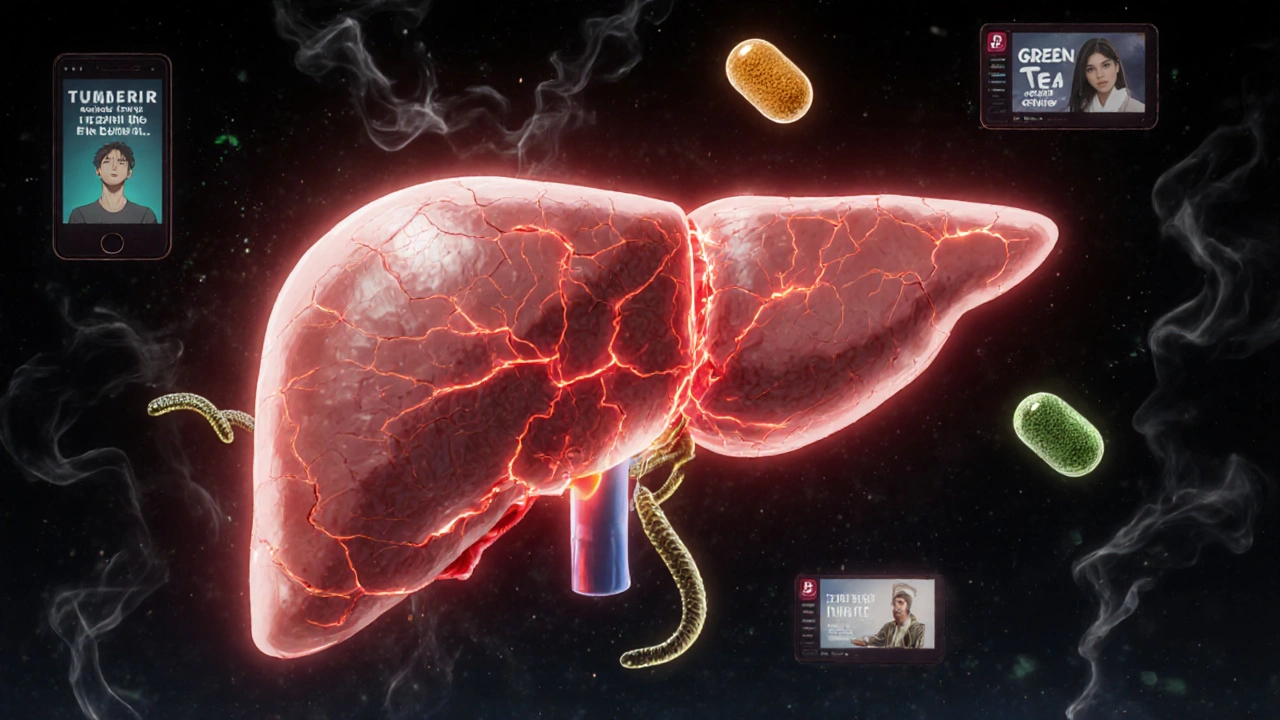
Supplement Liver Damage: What You Need to Know Before Taking Them
When you take a supplement, a product taken to add nutrients or support health, often without a prescription. Also known as dietary supplement, it can seem harmless—especially if it’s labeled "natural." But what many don’t realize is that supplement liver damage is real, and it’s happening more often than you think.
Your liver doesn’t just process alcohol or prescription drugs—it also breaks down everything you swallow, including herbal extracts, vitamins, and protein powders. Some supplements, like green tea extract, weight-loss pills with stimulants, or high-dose niacin, have been directly linked to liver injury. In fact, the National Institutes of Health found that dietary supplements were responsible for nearly 20% of all drug-induced liver cases in the U.S. over the last decade. These aren’t rare outliers—they’re preventable mistakes made by people who thought they were doing the right thing.
It’s not just about the supplement itself. The real danger often comes from drug interactions, when two or more substances affect each other’s metabolism in the body. For example, if you’re taking a statin for cholesterol and also use a CBD oil or a turmeric supplement, both can interfere with the same liver enzymes (CYP3A4 and CYP2C9) that break down your meds. This can cause toxic buildup. Even something as simple as grapefruit juice can make this worse. And if you’re already on multiple medications, your liver is working overtime—and it’s not asking for permission.
Then there’s the issue of liver enzymes, proteins in the liver that help process chemicals and drugs. When these enzymes spike in blood tests, it’s a red flag. But most people never get tested unless they’re already feeling sick. Fatigue, dark urine, yellow eyes, or unexplained nausea? Those aren’t just "off days." They could be early signs your liver is struggling. And by the time you feel it, damage may already be done.
What’s worse? Many supplements aren’t tested for safety before they hit shelves. The FDA doesn’t approve them like prescription drugs. Labels can be misleading—"pure," "organic," or "clinically studied" doesn’t mean safe. One study found that nearly 25% of supplements contained hidden pharmaceuticals or contaminants not listed on the bottle. That’s not just risky—it’s unpredictable.
So what should you do? Don’t assume supplements are safe just because they’re available over the counter. Talk to your doctor before starting anything new, especially if you’re on other meds. Ask: "Could this hurt my liver?" and "Could it interact with what I’m already taking?" Keep a list of everything you’re using—prescriptions, vitamins, herbs, even teas. Bring it to every appointment. Your liver doesn’t have a voice, but you do. Use it.
Below, you’ll find real stories and science-backed insights from people who’ve dealt with these exact issues—from hidden interactions to silent liver stress. These aren’t theoretical warnings. They’re lessons learned the hard way. And they might just save your liver.