

It starts with a racing heart. Then your chest tightens. You can’t catch your breath. Your hands shake. You think you’re having a heart attack. But you’re not. You’re having a panic attack.
Panic attacks don’t come with warning. One minute you’re standing in line at the grocery store, the next you’re convinced you’re dying. These episodes hit hard and fast-peaking within minutes. They’re not just stress. They’re not "just being dramatic." They’re a real, measurable biological event. The body goes into full alarm mode: heart rate spikes above 120 bpm, sweat pours, muscles tremble, and your brain screams "danger!" even when there’s no threat.
When these attacks happen repeatedly and without clear cause, it’s called panic disorder. It affects about 4.7% of U.S. adults-roughly 1 in 20 people. Women are twice as likely to develop it as men. Most people first experience it between ages 18 and 24. And if left untreated, it doesn’t just fade. It spreads.
What Happens During a Panic Attack?
A panic attack isn’t one symptom. It’s a storm of at least four physical and mental reactions happening at once. The most common include:
- Heart palpitations (felt by 98% of people during an attack)
- Sweating (75%)
- Trembling or shaking (72%)
- Shortness of breath or feeling smothered (59%)
- Chest pain or discomfort (68%)
- Fear of losing control or going crazy (85%)
- Fear of dying (80%)
- Dizziness, lightheadedness, or fainting (65%)
These symptoms peak in 5 to 20 minutes-sometimes longer. But the fear lingers. Afterward, you don’t just feel tired. You feel hunted. You start scanning your body for signs of another attack. Is that flutter in your chest? A sign? Is that tightness in your throat? Another one coming?
This constant dread-waiting for the next attack-is what turns panic attacks into panic disorder. And that’s when avoidance begins.
Agoraphobia: Trapped by Fear
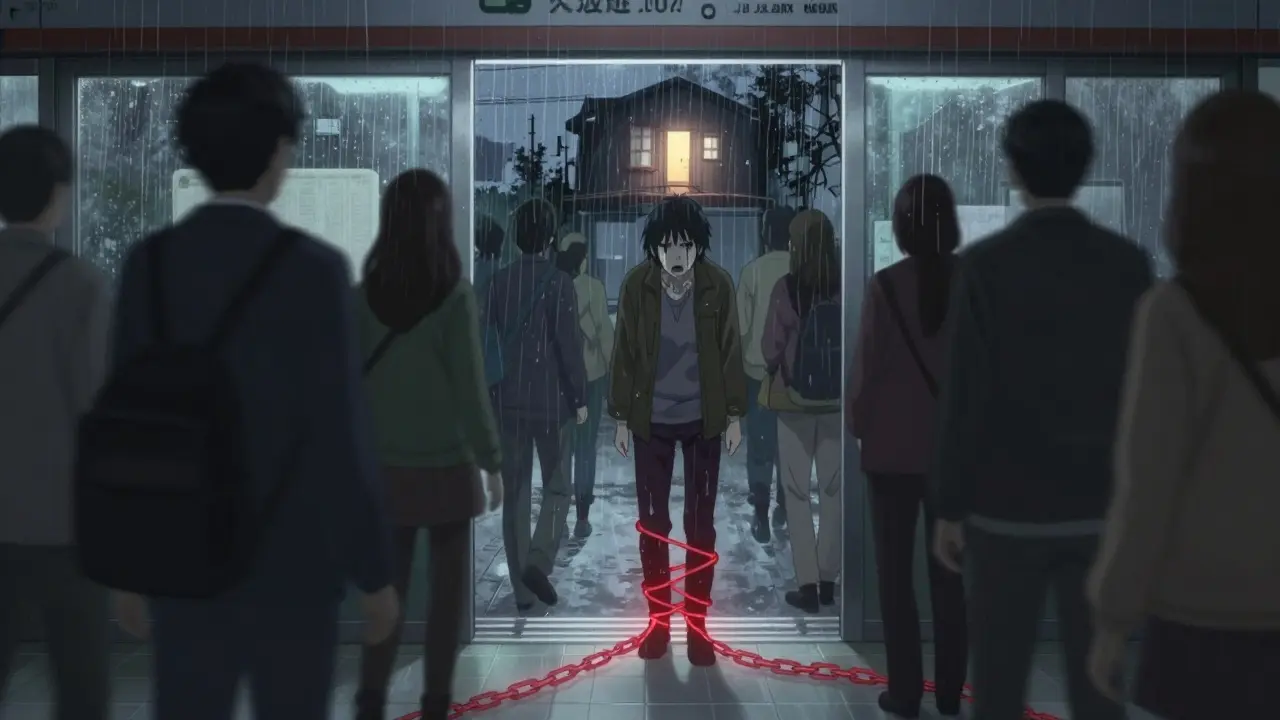
One in two people with panic disorder develops agoraphobia. It’s not just fear of open spaces. It’s fear of being stuck somewhere you can’t escape if you panic.
People with agoraphobia avoid:
- Public transportation (62% avoid buses or trains)
- Crowded places like malls or concerts (59%)
- Being alone outside the home (72%)
- Enclosed spaces like elevators or movie theaters (48%)
- Open spaces like parking lots or bridges (55%)
Some stop leaving their homes entirely. Others drive only on familiar routes. Some sit in the car for 20 minutes before walking into a store. It’s not laziness. It’s survival. The brain has learned that certain places = danger. And it’s terrified of repeating the horror of a panic attack in public.
Many people with agoraphobia end up in emergency rooms, convinced they’re having a heart attack. In fact, 52% of panic disorder patients first seek help in the ER because their symptoms mimic cardiac issues. It takes an average of 7.2 years for someone to get the right diagnosis.
Why Does This Happen?
Panic disorder doesn’t come from one cause. It’s a mix of biology, brain wiring, and life stress.
Brain scans show people with panic disorder have a hyperactive amygdala-the part that detects threats. It’s like a smoke alarm that goes off every time someone lights a candle. In healthy people, it only screams when there’s real fire.
Genetics play a role too. If a close family member has panic disorder, your risk increases by 30-48%. It’s not destiny, but it means your brain may be wired to overreact to stress.
Then there’s anxiety sensitivity-the fear of anxiety itself. People who believe that a racing heart means they’re about to die are far more likely to spiral into panic. One study found those with high anxiety sensitivity were nearly five times more likely to develop the disorder.
Life events trigger the first attacks. A breakup. A job loss. A death. A car accident. In 65% of cases, the first panic attack followed a major stressor within the last six months.
Treatment That Actually Works
The good news? Panic disorder is one of the most treatable anxiety disorders. And you don’t need to live with it forever.
The gold standard is cognitive behavioral therapy (CBT). Not talk therapy. Not just relaxation. CBT rewires how you think about panic.
Here’s how it works:
- Education: You learn what’s really happening in your body during a panic attack. Your heart races because your sympathetic nervous system is activated-not because you’re dying. This alone reduces fear by 30%.
- Cognitive restructuring: You challenge catastrophic thoughts. "My chest pain means I’m having a heart attack" becomes "This is a panic symptom. It’s scary, but it’s not dangerous."
- Interoceptive exposure: You deliberately bring on panic symptoms in a safe setting. You spin in a chair until you feel dizzy. You breathe through a straw to feel short of breath. You run in place until your heart pounds. You learn these sensations are uncomfortable, not deadly.
- In vivo exposure: You slowly face avoided situations. Start with standing outside your front door. Then walk to the mailbox. Then drive to the corner store. Then take the bus. Each step is practiced until the fear drops.
Studies show CBT works for 70-80% of people. After 12 to 15 weekly sessions, most see a 50-70% reduction in panic attacks.
Medication: Helpful, But Not a Cure
Medications can help, especially when panic is severe or CBT isn’t accessible.
SSRIs like sertraline and paroxetine are first-line. They take 4 to 8 weeks to work, but they reduce attacks by 60-75%. They’re safe for long-term use. Side effects? Nausea, weight gain, and emotional numbness affect about 40% of users.
Benzodiazepines like alprazolam work fast-sometimes in 30 minutes. But they’re risky. After 6 months, 30-40% of users develop dependence. Withdrawal can cause rebound panic worse than before. These are for emergencies, not daily use.
Some doctors now add d-cycloserine, a drug that helps the brain learn faster during exposure therapy. In trials, it boosted CBT success by 28%.
But here’s the catch: if you only take medication and never do exposure work, your relapse rate after stopping is 60%. The brain hasn’t learned safety. It’s just been silenced.
What Really Helps in the Long Run
The best outcomes come from combining CBT and medication. One study found 85% of people who did both reached full remission-compared to 65-70% with either alone.
Real recovery looks like this:
- Someone who avoided buses for three years takes one for five minutes, then ten, then 20-using breathing techniques learned in therapy.
- Someone who used to check their pulse every hour stops checking altogether.
- Someone who feared being alone in a store now shops alone without panic.
It’s not about never feeling anxious. It’s about no longer being afraid of anxiety.
What Doesn’t Work
Many people try things that give short-term relief but make panic worse long-term:
- Drinking alcohol to calm nerves-it increases panic after it wears off.
- Using caffeine to stay alert-it triggers physical sensations that mimic panic.
- Seeking constant reassurance from loved ones-it reinforces the belief that danger is real.
- Staying in bed all day-it teaches the brain that safety = isolation.
Even "natural remedies" like herbal teas or supplements lack strong evidence. They might help you relax, but they won’t retrain your brain.
Digital Tools Are Changing the Game
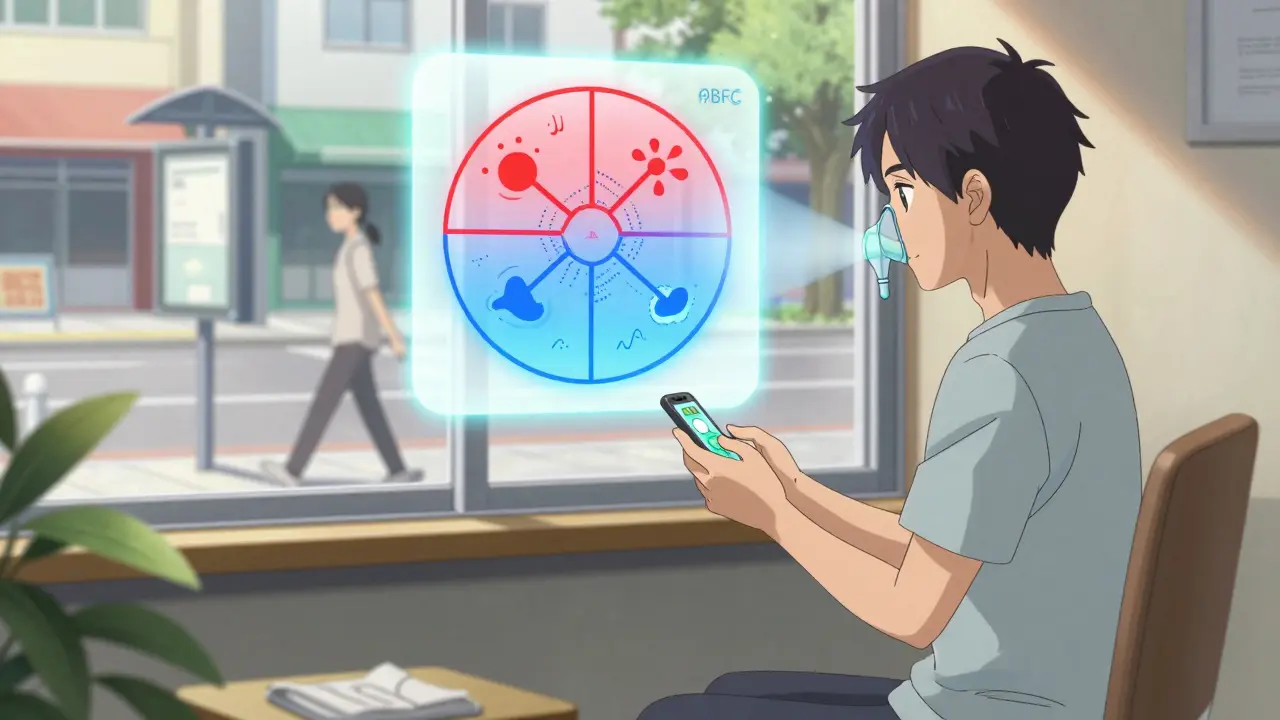
Apps like CalmWave, developed by Columbia University, deliver CBT through your phone. They include breathing exercises, thought logs, and exposure challenges. In trials, users saw a 40% drop in panic attacks after 12 weeks. And 65% stuck with it-far higher than in-person therapy dropout rates.
In May 2023, the FDA approved the first digital therapeutic for panic disorder: CalmWave. It’s now available by prescription. It’s not a replacement for a therapist, but it’s a powerful tool for people who can’t access one.
Recovery Is Possible
You are not broken. You are not weak. You’re not crazy. You’re having a treatable medical condition.
65% of people who get proper treatment achieve lasting remission. That’s more than two out of three. The rest may have occasional flare-ups, usually tied to stress-but they know how to manage them now.
If you’ve been suffering for years, waiting for someone to understand-know this: you’re not alone. And you don’t have to live like this anymore. The fear can fade. The avoidance can end. The panic can stop.
Start with one step: talk to your doctor. Ask about CBT. Ask about SSRIs. Ask about digital tools. Don’t wait for it to get worse. Don’t wait for someone else to fix it. Recovery starts when you say: "I’m ready to face this."
Can panic attacks cause a heart attack?
No, panic attacks do not cause heart attacks. While symptoms like chest pain, rapid heartbeat, and shortness of breath feel identical to a cardiac event, panic attacks don’t damage the heart. The body’s stress response is intense, but it’s temporary. However, because the symptoms are so similar, many people go to the ER thinking they’re having a heart attack-this is very common. If you’re unsure, always seek medical evaluation to rule out cardiac issues.
How long does it take for CBT to work for panic disorder?
Most people start seeing improvement within 4 to 6 weeks of starting CBT. Significant reduction in panic attacks-usually 50% or more-typically occurs after 12 to 15 weekly sessions. Some people feel better sooner, especially when they actively practice exposure exercises between sessions. Consistency matters more than speed.
Is agoraphobia the same as being a homebody?
No. Agoraphobia is not a preference for staying home. It’s a fear-based avoidance driven by panic. People with agoraphobia don’t choose to stay home-they feel trapped. They may want to go out but are paralyzed by fear of having a panic attack in public. This is different from someone who enjoys quiet time at home. Agoraphobia causes distress and limits life, while choosing to stay home doesn’t.
Can panic disorder come back after treatment?
Yes, about 25% of people who recover from panic disorder experience a relapse, usually during major life stress like a breakup, job loss, or illness. But relapse doesn’t mean failure. People who completed CBT usually remember the tools and can return to therapy quickly. Maintenance strategies-like occasional booster sessions or using a CBT app-can prevent relapse.
Are medications for panic disorder addictive?
SSRIs like sertraline or paroxetine are not addictive. They don’t create cravings or euphoria. Benzodiazepines like alprazolam, however, carry a risk of dependence, especially with long-term use. About 30-40% of people using them daily for more than six months develop physical dependence. That’s why they’re only recommended for short-term use or emergencies, not as a primary treatment.
Can children develop panic disorder?
Yes. While panic disorder most often starts in late teens or early adulthood, children as young as 8 can experience panic attacks. In kids, symptoms may show up as stomachaches, school refusal, or tantrums instead of verbalizing fear. CBT is still the most effective treatment, but it’s adapted for age and development. Early intervention leads to much better long-term outcomes.
What’s the difference between panic disorder and general anxiety?
Generalized anxiety disorder (GAD) is constant, low-level worry about everyday things-work, money, health. Panic disorder is sudden, intense bursts of fear with physical symptoms. GAD feels like background noise. Panic disorder feels like a fire alarm going off. People with panic disorder often worry about having more attacks, which can lead to avoidance. GAD doesn’t usually cause the same level of physical panic or avoidance behaviors.
15 Comments
Alex Flores Gomez
28 January, 2026Okay but let’s be real - CBT is just fancy talk for "stop being dramatic." I’ve had panic attacks since I was 19 and no amount of breathing through straws fixed my fear of elevators. The real fix? Moving to a rural town where nobody expects you to be "productive."
DHARMAN CHELLANI
30 January, 2026CBT? LOL. You think your amygdala gives a fuck about your thought logs? Biology wins. Always. SSRIs just mute the alarm, not fix the wiring. And don’t get me started on those app scams - CalmWave? More like CashWave.
kabir das
31 January, 2026...I’ve been through this... and I just want to say... you’re not alone... I’ve cried in the grocery store... and no one noticed... and I felt so... so... invisible... and then I started journaling... and it helped... just a little... but it helped...
Keith Oliver
1 February, 2026Wait - so you’re telling me I’ve been misdiagnosed with anxiety for 8 years because I didn’t know my heart was just being dramatic? Bro. I’ve been taking Xanax since college. You think I’m gonna stop because some study says it’s "not a cure"? Nah. I’m not a lab rat. I’m a human who needs to function.
Kacey Yates
1 February, 2026Just got my first CBT session. Did the spinning chair thing. Got dizzy. Felt like I was gonna die. Then I laughed. Because it was just dizziness. Not a heart attack. Not death. Just my brain being a liar. 12 weeks in. Not fixed. But not scared anymore. You got this.
ryan Sifontes
3 February, 2026They say panic disorder is biological. But who funded the studies? Pharma. Who profits from SSRIs? Pharma. Who pushes CBT apps? Tech companies. You think this is science or a business model? They want you dependent. Not cured.
Laura Arnal
4 February, 2026I was scared to leave my apartment for 2 years. Then I started walking to my mailbox. Just that. Then the driveway. Then the corner. Now I go to coffee shops alone. It’s not magic. It’s tiny steps. And you’re not broken. You’re becoming. 💪❤️
Jasneet Minhas
6 February, 2026How quaint. Western medicine has all the answers. In India, we call this "manasik vyadhi" - mental illness. We treat it with yoga, pranayama, and silence. No apps. No pills. Just breath. And yet, here you are, buying digital therapeutics. The irony is thick.
Robin Keith
6 February, 2026Let’s deconstruct the epistemology of panic, shall we? The body’s alarm system - is it truly malfunctioning, or is it hyper-attuned to a world that has normalized trauma? The amygdala doesn’t lie - it remembers what the cortex has forgotten. We’ve medicated the symptom, not the cause. We’ve silenced the scream, but not the wound. And now we sell apps to make the silence feel productive. Isn’t that beautiful? Or just tragically capitalist?
Sheryl Dhlamini
7 February, 2026I used to think I was weak because I couldn’t go to the mall. Then I realized: it’s not weakness. It’s survival. And now? I go. Slowly. With my dog. And I don’t apologize for it. Ever.
Doug Gray
8 February, 2026CBT is just a behavioral conditioning protocol. You’re training the organism to suppress autonomic responses. But suppression ≠ resolution. The somatic memory remains. The body remembers. The nervous system doesn’t forget. You’re not healing - you’re adapting to a system that pathologizes normal human stress.
Kristie Horst
9 February, 2026It’s heartening to see such a well-researched, compassionate overview. While the medical model is useful, I urge readers to also consider the sociocultural dimensions: isolation, economic precarity, and the erosion of community have created an epidemic of somatic distress. Healing requires more than therapy - it requires belonging.
LOUIS YOUANES
9 February, 2026They say panic attacks are biological. But if you’re living in a world that tells you you’re never enough - of course your body screams. No pill fixes that. No app rewrites capitalism. You’re not broken. You’re responding.
Andy Steenberge
11 February, 2026Just wanted to say thank you for writing this. I’m 34 and just started CBT after 12 years of hiding. I didn’t know agoraphobia had a name. I thought I was just lazy. Turns out, I was terrified. I’m still scared. But now I know I’m not alone. And that’s everything.
Alex Flores Gomez
12 February, 2026Wow. Someone actually did the work. Good for you. Now go buy a house in the woods and never come back. That’s real recovery.