
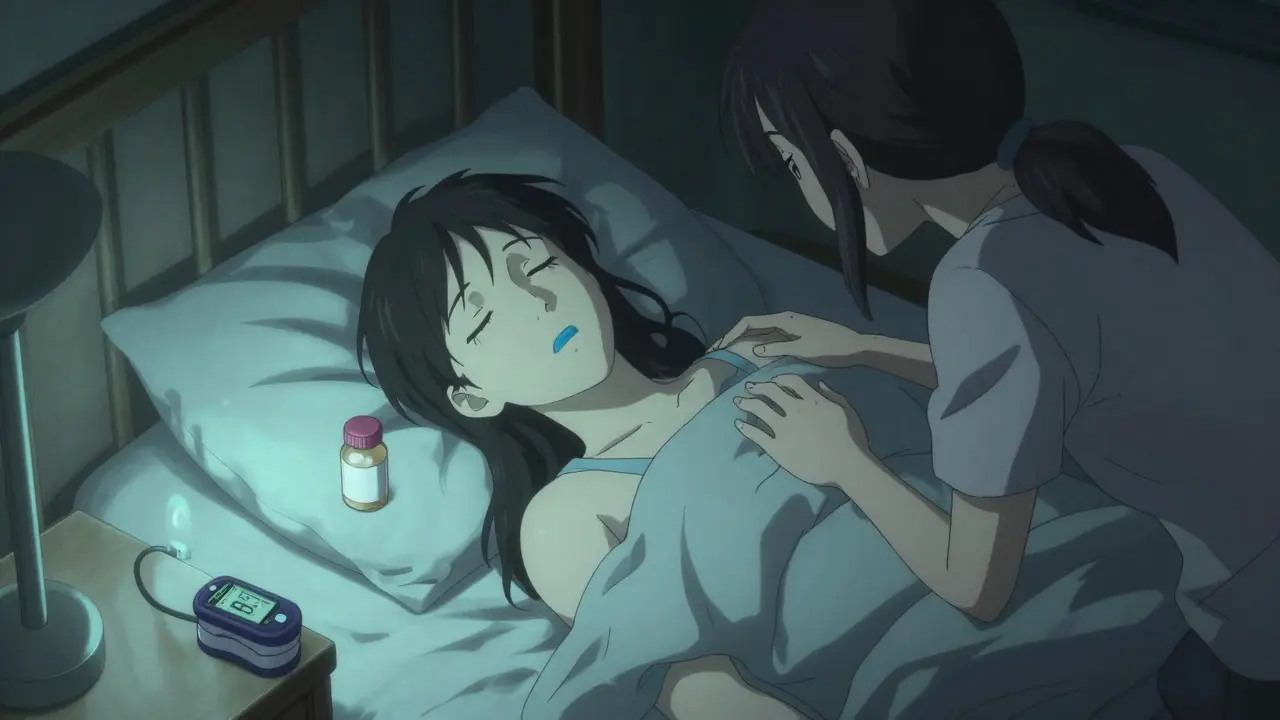
When someone takes too much of a sedative or sleep medication, it doesn’t always look like a dramatic scene from a TV show. Often, it starts quietly - a person is just sleeping too deeply, their speech is slurred, or they won’t respond when you shake them. But this isn’t just tiredness. It could be a life-threatening overdose, and every minute counts.
What Counts as an Overdose?
An overdose happens when the body can’t handle the amount of drug in the system. Sedatives and sleep meds - like zolpidem (Ambien), eszopiclone (Lunesta), temazepam (Restoril), alprazolam (Xanax), and even over-the-counter pills like diphenhydramine (Benadryl PM) - slow down your central nervous system. That’s why they help you sleep. But too much? That same slowing turns dangerous.The National Institute on Drug Abuse reports over 12,500 deaths in 2021 from benzodiazepine overdoses alone. That’s not rare. It’s a growing crisis. And many of these deaths happen because people don’t recognize the signs until it’s too late.
The Early Warning Signs
The first signs are easy to miss. You might think someone is just really tired. But look closer.- They can’t wake up - even with loud shouting or a firm sternal rub (pressing hard on the breastbone). Normal sleep doesn’t require this kind of stimulation.
- Slurred speech - like they’re drunk, but they haven’t had alcohol. Studies show this happens in 87% of benzodiazepine overdoses.
- Extreme confusion - they don’t know where they are, who you are, or what time it is. Memory gaps are common.
- Unsteady walking - loss of coordination, stumbling, falling. This is called ataxia and shows up in 76% of cases.
These aren’t side effects. They’re red flags. If you see even one of these, especially in someone who took more than their prescribed dose, don’t wait.
The Life-Threatening Signs
If the overdose is worsening, the body starts shutting down. This is when seconds matter.- Slow breathing - fewer than 12 breaths per minute. Count them. Normal is 12-20. Below 8? That’s a medical emergency. Respiratory depression causes 92% of fatal sedative overdoses.
- Shallow or irregular breathing - chest barely moves. Breaths are spaced far apart, like 10 seconds between each one.
- Cyanosis - lips, fingertips, or nail beds turn blue or gray. This means oxygen levels are crashing. Normal oxygen saturation is above 95%. Below 90%? Danger zone.
- Cold, clammy skin - body temperature drops below 95°F (35°C). This is hypothermia from CNS depression.
- Unconsciousness - Glasgow Coma Scale score under 8. They’re not just asleep. They’re in a coma.
These signs don’t always come one after another. Sometimes, they happen fast. A person can go from slurring words to not breathing in under 15 minutes.
Not All Sleep Aids Are the Same
It matters what kind of medication they took.Benzodiazepines and Z-drugs (like Ambien or Xanax) usually don’t crash heart rate or blood pressure right away. That’s why they’re misleading - the person looks “just really out of it,” but their pulse and blood pressure might still be normal. This false sense of safety delays help.
Barbiturates (older sleep meds, rarely prescribed now) are far more dangerous. They cause deep respiratory depression at lower doses. Even a small overdose can be fatal.
Over-the-counter sleep aids with diphenhydramine (like Tylenol PM or Benadryl) can cause hallucinations, seizures, or urinary retention at high doses. These are different from benzodiazepine overdoses, but still deadly.
Melatonin? Not a risk. Even doses 60 times higher than normal cause only headaches or dizziness - no breathing problems. If someone took melatonin and passed out, something else is going on.
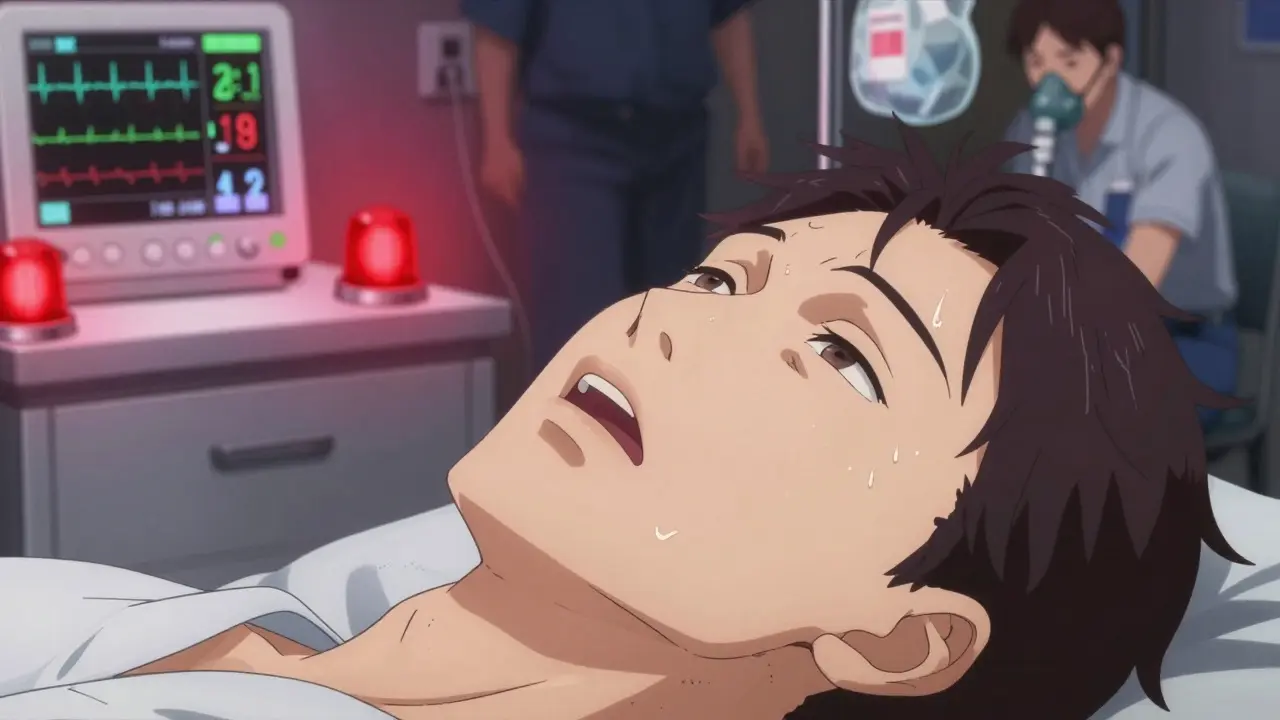
Combining Drugs Is the Biggest Killer
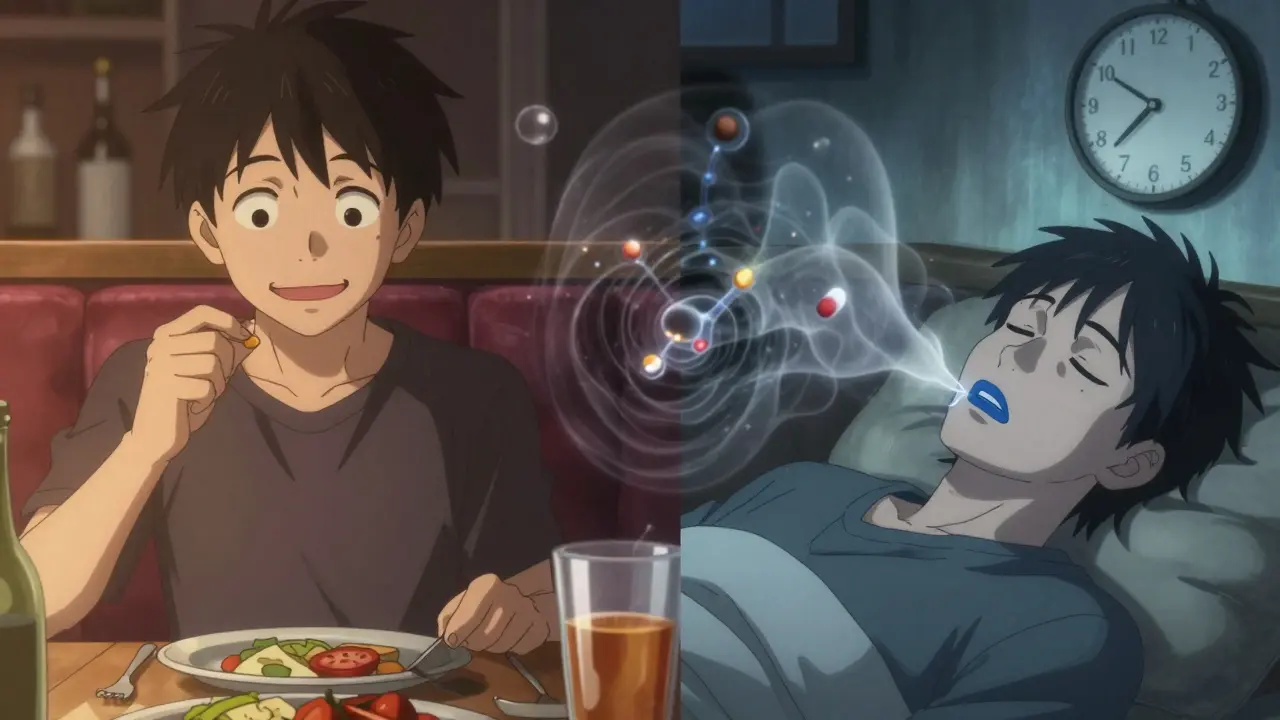
The most dangerous situation? Mixing sedatives with other depressants.Alcohol is the most common partner in overdose deaths. The CDC says 41% of fatal sedative overdoses involved alcohol. When you mix them, the effect isn’t just added - it’s multiplied. One drink and one pill might be fine. Two drinks and two pills? That’s a recipe for stopping breathing.
Even worse: opioids. In 2021, 23% of benzodiazepine overdose deaths also involved fentanyl. These combinations are why overdose deaths have jumped 218% since 2010.
If you find someone who took a sedative and also has opioid pain pills nearby, treat it as a dual overdose. Call 911 immediately. Don’t wait.
What You Should Do - Right Now
If you suspect an overdose, don’t guess. Don’t wait. Don’t try to “let them sleep it off.”- Check responsiveness - shout their name. Shake their shoulder. Try a sternal rub (press firmly on the center of the chest). If they don’t respond, move to step two.
- Count their breaths - watch their chest for 30 seconds. Multiply by two. If it’s below 12 per minute, call emergency services now.
- Look for blue lips or skin - this means oxygen is dropping fast.
- Call 911 - even if you’re unsure. Better to be wrong than too late.
- Stay with them - don’t leave. If they stop breathing, start rescue breathing. Tilt their head back, pinch the nose, give one breath every 5 seconds.
- Don’t give them flumazenil - it’s a reversal drug, but it can trigger seizures in people dependent on benzodiazepines. Only trained medical staff should use it.
- Bring the medication bottle - if you can, take the empty container or prescription label to the hospital. It helps doctors treat them faster.
Every minute you wait reduces their chance of survival by 7-10%. That’s not a guess. That’s from a 2022 meta-analysis in Resuscitation Journal.
Why People Delay Calling for Help
A 2022 study found that 68% of bystanders thought someone was just “deeply asleep.” They waited. Some waited over 45 minutes before calling 911.Reddit threads from r/OverdoseHelp are full of stories like:
- “I thought my roommate was just exhausted from work.”
- “I assumed the slurring was from drinking.”
- “I didn’t want to get them in trouble.”
That guilt, that hesitation - it kills.
You’re not reporting them. You’re saving their life.
What Happens at the Hospital
Emergency teams will check oxygen levels, do a blood test, and monitor breathing and heart function. They may give oxygen, start IV fluids, or use a ventilator if breathing stops. In rare cases, they’ll use flumazenil - but only if they’re sure there’s no risk of seizures.New tools are helping. In 2023, the FDA approved intranasal midazolam for emergency use. Some hospitals are testing wearable pulse oximeters that alert caregivers when oxygen drops - giving 15-20 minutes of warning before collapse.
How to Prevent This
- Never take more than prescribed. Even “just one extra pill” can be too much, especially if you’ve built up tolerance. - Never mix with alcohol or opioids. That’s the fastest path to disaster. - Store meds safely. Out of reach of others, especially teens or people with substance use issues. - Talk to your doctor if you’re relying on sleep meds long-term. Many are meant for short-term use. - Keep a list of all medications you take - including over-the-counter - and share it with your doctor.California’s ‘Don’t Die’ campaign handed out 250,000 overdose recognition cards to pharmacies in 2023. The result? A 22% jump in bystander recognition in pilot areas. Knowledge saves lives.
Final Thought
Sedative overdose doesn’t always look like a crisis. Sometimes, it looks like someone just needs a nap. But if they won’t wake up - if their breathing is slow, if their lips are blue - this isn’t sleep. This is the body shutting down.You don’t need to be a doctor to recognize it. You just need to know the signs. And act.
Can you overdose on melatonin?
Melatonin overdoses are rarely life-threatening. Even doses 60 times higher than normal (like 240mg) typically cause only headaches, dizziness, or nausea. Unlike prescription sedatives, melatonin doesn’t suppress breathing. If someone passed out after taking melatonin, another substance was likely involved.
Is it safe to give someone naloxone if they overdosed on a sleep med?
Naloxone only works on opioids, not sedatives like Ambien or Xanax. Giving naloxone won’t reverse a benzodiazepine overdose. But if you suspect the person also took an opioid - like fentanyl or oxycodone - naloxone could save their life. It’s safe to give even if you’re unsure. Naloxone has no effect on people who haven’t taken opioids.
How long does it take for a sedative overdose to become fatal?
It can happen in as little as 10-20 minutes after breathing slows below 8 breaths per minute. The longer oxygen levels stay low, the more brain damage occurs. Most deaths happen within an hour of respiratory failure if no help is given.
Can you overdose on sleep meds just by taking them as prescribed?
It’s rare, but possible - especially if you have liver disease, are elderly, or are taking other medications that interact. Some people develop tolerance and start increasing the dose without realizing the risk. Always follow your doctor’s instructions exactly. Never combine with alcohol or other sedatives, even if you think it’s “just one.”
What should I do if I find an empty pill bottle next to an unresponsive person?
Call 911 immediately. Don’t wait. Don’t try to wake them with coffee or cold water. Check their breathing. If they’re not breathing or breathing too slowly, start rescue breathing. Keep them on their side if possible to prevent choking. Bring the bottle to the hospital if you can - it helps doctors know exactly what to treat.
Are newer sleep meds like Ambien safer than older ones?
They were marketed as safer, but they’re not. Z-drugs like Ambien still cause respiratory depression, especially when mixed with alcohol or opioids. The FDA added a boxed warning in 2023 about serious risks, including death. Safety isn’t about the drug - it’s about how it’s used.
Can I use a home pulse oximeter to detect an overdose early?
Yes. A pulse oximeter that shows oxygen saturation dropping below 92% is a major red flag, especially in someone who took a sedative. It can give you 15-20 minutes of warning before breathing stops. These devices are affordable and widely available. If you or someone you care for takes sedatives regularly, keep one on hand.
What to Do After the Emergency
Once the person is stable, the real work begins. Sedative dependence is common. Many people start with a prescription, then keep taking it because they can’t sleep without it. That’s a use disorder.Encourage them to talk to a doctor about tapering off safely. Withdrawal from benzodiazepines can be dangerous on its own - seizures can happen. Never quit cold turkey.
Support groups, counseling, and medication-assisted treatment exist. Recovery is possible. But it starts with recognizing the problem - and knowing when to act before it’s too late.
11 Comments
Nancy Kou
20 December, 2025This is the most important post I've read all year. I used to think if someone was just sleeping it off, I should let them be. Now I know that's how people die. I'm sharing this with my whole family.
Takeysha Turnquest
20 December, 2025People treat sedatives like candy and then act shocked when they overdose. The real tragedy isn't the drug-it's the cultural laziness around mental health. We medicate instead of heal. We numb instead of feel. And then we wonder why we're all just barely breathing.
Emily P
22 December, 2025Is there any data on how often people mistake melatonin overdose for something else? I've heard stories of people passing out after taking it and everyone assuming it's alcohol or benzos. Would be useful to know if this misattribution delays care.
Vicki Belcher
22 December, 2025Thank you for writing this 💙 I work in ER and see this way too often. People wait until their loved one is blue. Please don't wait. Call 911. Even if you're wrong. Even if you're embarrassed. You're not being a snitch-you're being a hero.
Jedidiah Massey
23 December, 2025While the post is well-intentioned, it lacks critical nuance regarding pharmacokinetics. The CYP450 enzyme system modulates sedative metabolism significantly-especially in polypharmacy patients. Without accounting for hepatic clearance variability, population-wide recommendations risk misapplication. Also, flumazenil’s seizure risk is overstated in non-dependent populations.
Allison Pannabekcer
24 December, 2025I’ve been on sleep meds for years and never realized how dangerous even one extra pill could be. This made me reevaluate everything. I’m talking to my doctor next week about tapering. No shame in needing help-but there’s shame in ignoring the signs.
Nicole Rutherford
25 December, 2025Of course you’re going to die if you mix alcohol and benzos. It’s not rocket science. People are just lazy and entitled. They want the high without the responsibility. This post is just preaching to the choir of people who already know better.
Dorine Anthony
27 December, 2025My sister took Ambien once and slept for 14 hours. We thought she was fine. She woke up confused and panicked. I didn’t know then what I know now. I’m keeping this page bookmarked. If anything happens again, I won’t hesitate.
James Stearns
28 December, 2025It is imperative that individuals exercise personal responsibility when administering pharmacological agents. The conflation of recreational misuse with medical necessity undermines clinical integrity. Furthermore, the normalization of emergency intervention as a default response may inadvertently disincentivize behavioral accountability.
Nina Stacey
30 December, 2025i just found out my cousin took 6 xanax with a few beers and passed out last week. we didnt know what to do so we just sat there hoping he'd wake up. i wish i had seen this sooner. now im telling everyone. please dont wait like we did. call 911 even if you think its not a big deal. i cant stop thinking about how close we came to losing him
Hussien SLeiman
30 December, 2025Let me be the one to say what no one else will: this entire post is dangerously oversimplified. You list symptoms like they're universal, but individual tolerance varies wildly based on age, weight, liver function, and concurrent medications. You mention melatonin as safe, but what about those with autoimmune disorders or circadian rhythm disruptions? You dismiss flumazenil’s risks, but fail to mention that in chronic users, abrupt reversal can trigger seizures, delirium, and even death. And yet you act like calling 911 is the only answer-what about harm reduction? What about naloxone kits being distributed alongside sedative prescriptions? What about supervised consumption sites? This isn’t just about recognizing signs-it’s about systemic failure. We treat overdoses like individual moral failures instead of public health crises. You’re giving people a checklist, not a solution. And that checklist might make them feel better, but it won’t stop the next death.