

Why Protein Isn’t Just for Bodybuilders
Most people think of protein as something athletes shove down after a workout. But if you’re trying to lose weight, protein is your secret weapon-not just for building muscle, but for keeping it. When you cut calories, your body doesn’t just burn fat. It also eats muscle. That’s why so many people hit a plateau, feel weaker, or end up looking skinny-fat. The fix isn’t eating less. It’s eating more protein-the right way.
Protein prioritization means planning your meals so protein isn’t an afterthought. It’s the main event. And the science is clear: if you want to lose fat and keep your strength, you need to eat more protein than you probably think. The old standard of 0.8 grams per kilogram of body weight? That’s barely enough to prevent deficiency. It’s not enough to hold onto muscle during weight loss.
How Much Protein Do You Actually Need?
For most adults losing weight, the sweet spot is between 1.3 and 1.6 grams of protein per kilogram of body weight. If you weigh 75 kg (about 165 lbs), that’s 98 to 120 grams of protein a day. That’s not a crazy number. It’s about three chicken breasts, a couple of eggs, a scoop of whey, and a cup of Greek yogurt spread across your meals.
Older adults (65+) need even more-1.2 to 1.6 g/kg-to fight muscle loss from aging. And if you’re active or lifting weights, pushing up to 2.2 g/kg can help, but going higher than that doesn’t give you more muscle. It just means more calories-and possibly more digestive discomfort.
Here’s the catch: it’s not just about the total. How you spread it out matters just as much. Eating 60 grams of protein at dinner and 10 grams at breakfast won’t cut it. Your muscles can only use about 30 grams of protein at a time to trigger growth. After that, the rest gets burned for energy or stored as fat. So aim for 25-30 grams per meal, across 3-4 meals. That means protein at breakfast isn’t optional. It’s essential.
Why Protein Keeps You Full Longer
Ever feel like you’re starving an hour after eating a bowl of pasta? That’s because carbs spike your blood sugar, then crash it. Protein does the opposite. It slows digestion and signals your gut to release satiety hormones like peptide YY and GLP-1. One study showed protein meals increase these hormones by 20-25% while lowering the hunger hormone ghrelin by 13%.
That’s why people on high-protein diets report less cravings and fewer late-night snack attacks. In one 12-week trial, participants eating 1.6 g/kg of protein lost the same amount of weight as those on a standard diet-but they felt less hungry, stuck with the plan longer, and kept 1.3 kg more muscle. That’s not magic. That’s biology.
Animal vs. Plant Protein: What Works Best
Not all protein is created equal. Animal sources-eggs, dairy, chicken, fish, beef-have all the essential amino acids your body can’t make. They’re also rich in leucine, the amino acid that kicks off muscle building. You need about 2.5-3 grams of leucine per meal to trigger muscle synthesis. That’s easy with 30g of whey or 100g of chicken breast.
Plant proteins-beans, lentils, tofu, quinoa-don’t pack as much leucine. To get the same muscle-building punch, you need to eat more of them or combine sources. For example, rice and beans together give you a complete amino acid profile. Some plant-based protein powders are now fortified with extra leucine to help. But if you’re serious about preserving muscle, animal proteins still have the edge.
That doesn’t mean you can’t go plant-based. It just means you need to be smarter about it. Track your leucine intake. Eat more soy. Add a scoop of pea protein after your workout. Don’t assume a lentil salad is enough.
What Happens If You Don’t Eat Enough Protein?
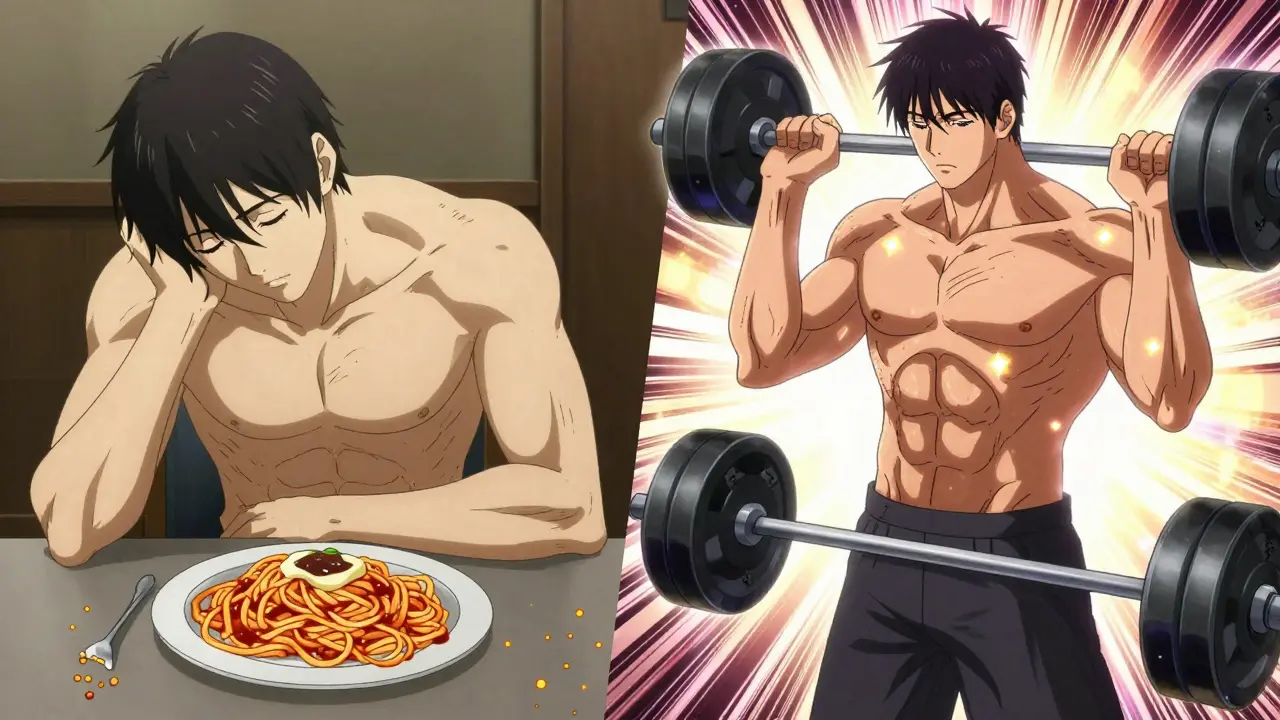
When you’re cutting calories and skimping on protein, your body starts breaking down muscle for energy. That’s not just about losing strength. It slows your metabolism. Muscle burns more calories at rest than fat. Lose muscle, and your body becomes a more efficient fat-storing machine. That’s why yo-yo dieting happens.
Studies show people eating less than 1.0 g/kg of protein during weight loss lose muscle 37% faster than those eating 1.6 g/kg. That’s not a small difference. It’s the difference between looking toned and looking thin but soft.
And it’s not just appearance. Losing muscle increases your risk of falls, fractures, and long-term mobility issues-especially as you get older. That’s why organizations like ESPEN and the American College of Sports Medicine now recommend protein prioritization as a core part of any weight loss plan.
Cost, Convenience, and Real-Life Challenges
Let’s be real: eating 120 grams of protein a day isn’t cheap. A pound of chicken breast costs more than a pound of rice. Protein powder helps, but high-quality whey or casein isn’t cheap either. One study found high-protein diets increase grocery bills by about 18%.
But there are ways to make it work. Canned tuna is $0.12 per gram of protein. Eggs are $0.07. Lentils and cottage cheese are budget-friendly too. Batch cook chicken or tofu on Sunday. Buy in bulk. Use frozen fish. Skip the fancy protein bars-most are just sugar with a protein label.
Another problem? Digestion. Eating too much protein too fast can cause bloating, constipation, or even kidney discomfort-especially if you’re not drinking enough water. Aim for at least 2.5 liters of water a day. And don’t forget fiber. High-protein diets often lack veggies and whole grains. That’s a recipe for digestive trouble. Balance is key.
What About Protein Timing and Workouts?
If you lift weights or do any kind of resistance training, timing matters. Eat 20-30 grams of protein within 45 minutes after your workout. Your muscles are primed to absorb it. Whey protein is fast-absorbing, so it’s ideal here. Casein or whole foods like Greek yogurt work well before bed-they release slowly and help repair muscle overnight.
But here’s the truth: if you’re sedentary and just trying to lose weight, you don’t need to time your protein down to the minute. Just make sure you hit your daily total and spread it out. The biggest mistake people make? Skipping protein at breakfast. That’s when your body is most resistant to building muscle. A high-protein morning meal resets your metabolism and reduces cravings all day.

Real People, Real Results
On Reddit, users like "GainsByScience" lost 42 pounds over six months while keeping 97% of their muscle mass by eating 1.8g/kg of protein and hitting 40g per meal. Others struggled. "BudgetShredder" on MyFitnessPal quit after three months because they were spending $97 a week on chicken and protein powder.
But here’s the kicker: people who stick with protein-prioritized diets are 30% more likely to keep the weight off two years later. The National Weight Control Registry found 83% of successful long-term losers intentionally ate more protein. They didn’t just lose weight. They changed how they ate.
What’s Next for Protein Research?
Scientists are now using wearable tech to personalize protein timing. Companies like Nutrisense track your glucose response to meals and suggest when to eat protein for maximum effect. The 2026 Dietary Guidelines may raise the official recommendation from 0.8 to 1.0 g/kg for everyone-not just older adults or athletes.
And if you’re doing time-restricted eating (like 16:8 fasting), you might need 20% more protein to make up for fewer meals. That’s a new twist most people haven’t considered.
Final Takeaway: Protein Is Your Foundation
You don’t need to count every gram. You don’t need to buy expensive supplements. But you do need to make protein the centerpiece of every meal. If you’re trying to lose weight, don’t cut protein to save calories. Increase it to protect your body. Eat enough. Spread it out. Choose quality sources. Drink water. Add fiber.
This isn’t a fad. It’s not about getting jacked. It’s about staying strong, feeling full, and keeping your metabolism healthy as you lose fat. Protein prioritization isn’t just smart nutrition. It’s the most proven way to lose weight without losing yourself in the process.
How much protein do I need to lose weight and keep muscle?
For most adults losing weight, aim for 1.3 to 1.6 grams of protein per kilogram of body weight daily. If you weigh 75 kg (165 lbs), that’s about 98-120 grams per day. Spread this across 3-4 meals with 25-30 grams per meal for best results. Older adults and active individuals may benefit from the higher end of this range.
Is plant-based protein good enough for muscle preservation?
Plant-based proteins can work, but they’re less efficient at triggering muscle growth because they contain less leucine-the key amino acid for muscle synthesis. To match animal proteins, you need to eat larger portions or combine sources (like rice and beans) and consider fortified plant powders. For optimal results, aim for 2.5-3 grams of leucine per meal, which may require 30-40% more plant protein than animal sources.
Can eating too much protein harm my kidneys?
For healthy individuals, protein intakes up to 2.2 g/kg/day are safe and do not cause kidney damage. However, consuming over 2.5 g/kg/day without adequate hydration can cause temporary discomfort like bloating or increased urine output. People with existing kidney disease should consult a doctor before increasing protein intake.
Why is protein at breakfast so important?
After fasting overnight, your body is in a muscle-breaking state. Eating 25-30g of protein at breakfast helps shut down muscle breakdown, boosts metabolism, and reduces cravings throughout the day. This is especially important for older adults, who experience "anabolic resistance"-a reduced ability to build muscle after meals.
What are the cheapest sources of high-quality protein?
Eggs ($0.07/g protein), canned tuna ($0.12/g), cottage cheese, lentils, and plain Greek yogurt are among the most affordable, high-quality protein sources. Batch cooking chicken or tofu, buying in bulk, and using frozen fish can also cut costs. Avoid expensive protein bars and shakes unless they’re your only option.
Do I need protein powder to succeed?
No. Whole foods like eggs, chicken, fish, tofu, and dairy can easily meet your protein needs. Protein powder is convenient for post-workout recovery or when you’re short on time, but it’s not required. Focus on real food first. Use supplements only to fill gaps, not replace meals.
How long does it take to see results with a high-protein diet?
You’ll notice reduced hunger and fewer cravings within 3-5 days. Visible muscle preservation and fat loss typically show up in 4-6 weeks. Long-term success-keeping the weight off-depends on sticking with the habit. People who maintain high protein intake for over a year are significantly more likely to keep the weight off than those who return to low-protein eating.
8 Comments
josue robert figueroa salazar
26 December, 2025Protein at breakfast? Nah. I skip it and still lose fat. This whole thing is overhyped.
david jackson
27 December, 2025Let me tell you something-this isn’t just about muscle, it’s about identity. When you eat enough protein, you’re not just feeding your body-you’re telling your genes, ‘I’m not dying on a diet anymore.’ I used to be skinny-fat, terrified of the mirror, until I started hitting 120g a day. My joints stopped creaking. My energy didn’t crash after lunch. I stopped craving sugar like it was my ex’s number I kept texting. It’s not magic. It’s biology. And if you think plant protein is ‘good enough,’ you’ve never felt the difference between a tofu scramble and a 4-egg omelet with smoked salmon. One makes you feel alive. The other makes you feel like you’re digesting a wet cardboard box. I’m not being dramatic-I’m being honest. Your body remembers what you feed it. Choose wisely.
Jody Kennedy
27 December, 2025Y’all need to stop overcomplicating this. I lost 35 lbs in 5 months eating eggs, canned tuna, and cottage cheese. No powders. No tracking. Just protein at every meal. I used to snack at 10pm. Now? I’m asleep by 9. It’s not about perfection-it’s about consistency. You got this!
christian ebongue
27 December, 20251.6g/kg? Bro. That’s what the science says. But also… you’re probably eating too much sugar and not enough fiber. Also your phone says you slept 4 hours. Fix that first. Protein won’t save you from Netflix and nachos.
Alex Ragen
29 December, 2025Ah yes-the sacred protein dogma. You know who else swore by ‘protein is everything’? The guys who sold you those $40 protein bars that taste like chalky regret. Let’s not pretend this isn’t just another capitalist myth wrapped in peer-reviewed jargon. Muscle preservation? Sure. But the real issue is systemic food inequality. Not everyone can afford chicken breast. Maybe we should be talking about policy, not protein grams.
Lori Anne Franklin
30 December, 2025i tried this for a week and honestly? i felt way better. i stopped craving sweets and my stomach stopped bloating. i dont even care if its science or not, it just worked for me. also i spelled protein wrong like 3 times but whatever lol
wendy parrales fong
30 December, 2025I used to think protein was just for guys who lift. Then I turned 50 and realized I couldn’t pick up my grandkid without groaning. So I started adding eggs and yogurt to every meal. No fancy stuff. Just real food. Now I walk better. I sleep better. I don’t feel like I’m falling apart. It’s not about being strong. It’s about being able to keep living the life you love. And that’s worth it.
Jeanette Jeffrey
31 December, 2025You people are so naive. You think protein fixes everything? You’re just replacing one addiction with another. The real problem? You’re still eating processed food. You’re still scared of fat. You’re still trying to ‘optimize’ your body like it’s a car you’re tuning at a garage. Stop chasing protein. Start listening to your body. Eat when you’re hungry. Stop when you’re full. That’s it. Everything else is just marketing.