Bird Fancier's Lung: Causes, Risks, and What You Need to Know
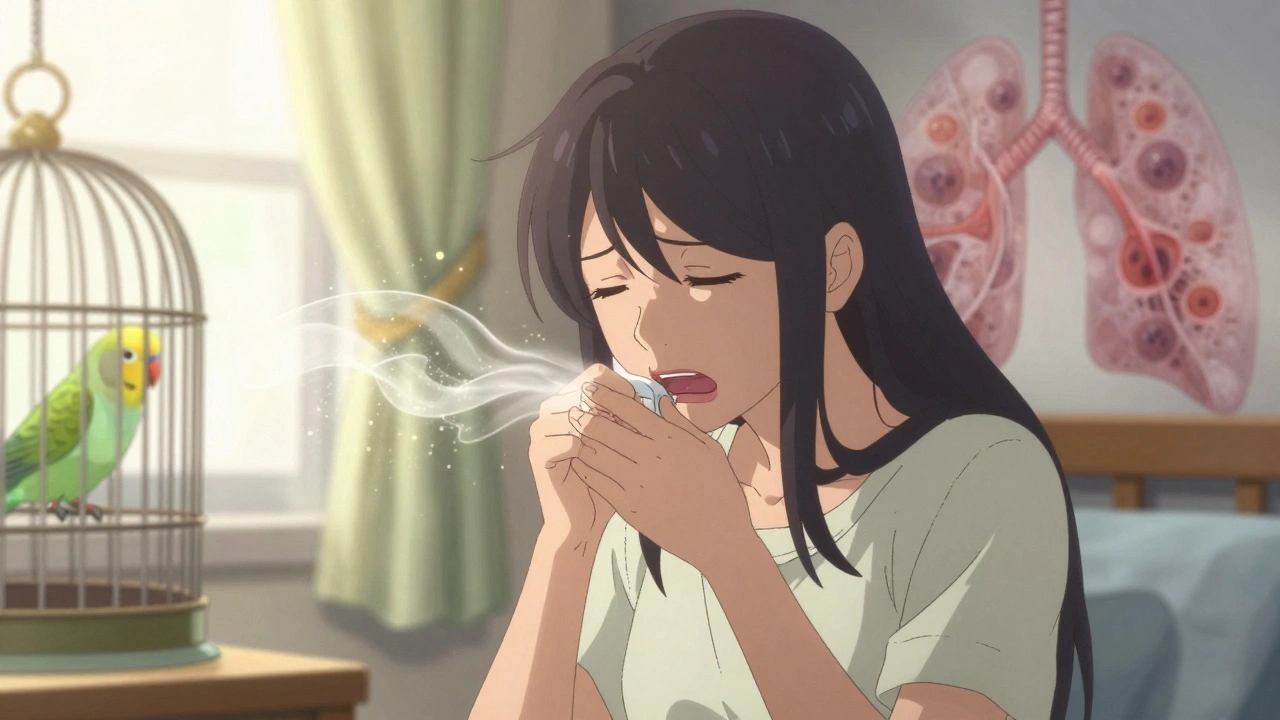
When you spend time around birds—whether it's pet parrots, pigeons in the park, or chickens in the backyard—you might not think about your lungs. But for some people, repeated exposure to bird-related proteins can trigger a serious condition called bird fancier's lung, a type of hypersensitivity pneumonitis caused by inhaling airborne proteins from bird droppings, feathers, or serum. Also known as hypersensitivity pneumonitis, it's not an allergy in the usual sense—it's an immune reaction that slowly scars the lungs over time.
This isn't just a problem for pigeon racers or exotic bird breeders. Even people who clean bird cages, handle pet birds regularly, or live near large flocks can develop it. The proteins involved come from bird droppings, dander, and even the tiny particles that float in the air when birds preen. Over months or years, your immune system starts attacking these harmless particles, turning your lungs into a battlefield. Symptoms like shortness of breath, dry cough, and fatigue often show up hours after exposure, which is why many people mistake it for a cold or asthma.
What makes bird fancier's lung tricky is that it doesn’t hit everyone the same way. Some people can live with birds for decades without issue. Others develop symptoms after just a few months. The risk goes up if you’re around birds daily, especially in poorly ventilated spaces like garages, basements, or aviaries. And once the damage starts, stopping exposure is the only way to prevent permanent scarring. There’s no cure—only prevention and early detection.
If you’ve been around birds and notice you’re getting winded faster than before, or if you feel tired after cleaning a cage or feeding your pet, it’s worth asking your doctor about hypersensitivity pneumonitis. Blood tests and lung scans can help spot early signs. The good news? If caught early and you remove yourself from the source, your lungs can often recover. But if you keep breathing in those proteins, the scarring becomes permanent.
Below, you’ll find real-world advice from people who’ve dealt with this condition, along with guides on how to reduce exposure, recognize warning signs, and avoid common mistakes that make things worse. These aren’t theoretical tips—they’re based on actual cases, medical research, and practical steps taken by those who’ve learned the hard way.