Hypersensitivity Pneumonitis: Causes, Triggers, and What You Need to Know
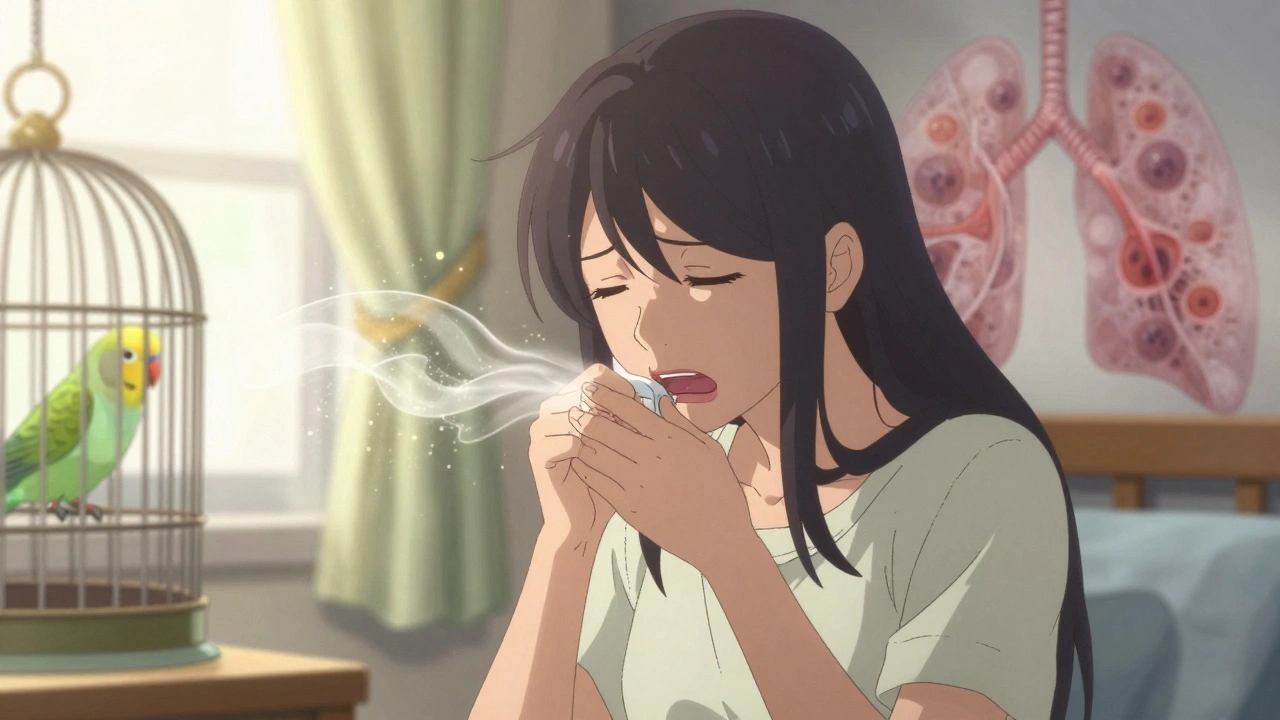
When your lungs react to tiny particles in the air you breathe, it’s not just a cold or allergies—it could be hypersensitivity pneumonitis, a type of lung inflammation triggered by repeated exposure to environmental allergens. Also known as allergic alveolitis, this condition isn’t caused by infection, but by your immune system overreacting to things like mold, bird droppings, or dust from farming equipment. If you’ve been told your cough won’t go away and no asthma inhaler helps, this might be why.
This isn’t rare. Farmers, bird owners, and people working in humidifiers or HVAC systems are at higher risk. The problem isn’t one-time exposure—it’s repeated, low-level contact over weeks or months. Your body starts seeing harmless particles as threats, and your lungs swell up in response. Over time, that swelling can turn into scarring, making it harder to breathe even when you’re not near the trigger. It’s like your immune system gets stuck on a loop, and your lungs pay the price.
What makes it tricky is that symptoms look like the flu or bronchitis—fatigue, shortness of breath, fever, chills. Many people wait months before getting tested. But if you’re around birds, compost, or damp buildings regularly and feel worse after being there, that’s a red flag. Doctors use chest scans, lung function tests, and detailed exposure histories to spot it. The good news? If caught early and you remove the trigger, your lungs can heal. If ignored, it can lead to permanent damage.
The posts below cover real cases and practical advice from people who’ve dealt with this. You’ll find how hypersensitivity pneumonitis connects to other conditions like occupational lung disease, how allergen exposure shows up in everyday environments, and what steps to take when standard treatments fail. You’ll also see how immune response patterns in the lungs mirror those seen in drug reactions, supplement interactions, and even how certain medications can worsen lung inflammation. This isn’t just about avoiding mold—it’s about understanding how your body’s defenses can turn against you, and what you can do to take control.