
Anticoagulant Procedure Safety Calculator
How to Use This Calculator
Select your medication type and procedure risk level below. This tool provides evidence-based guidance based on current medical guidelines.
Recommended Action
Why Your Blood Thinners Matter More Than You Think Before a Cosmetic Procedure
If you're on blood thinners and thinking about getting a cosmetic procedure-whether it's a laser treatment, filler injection, or even a simple skin excision-you need to know one thing: stopping your medication isn't always the safest choice. For years, doctors told patients to pause their blood thinners before any surgery. But that advice is outdated. Today, the evidence shows that for many people, continuing your anticoagulant is actually safer than stopping it.
Here’s the reality: cosmetic procedures aren’t like open-heart surgery. Most are minor, quick, and done under local anesthesia. Yet, the fear of bleeding leads many patients to stop their medications like warfarin, rivaroxaban, or aspirin. And that’s where things get dangerous. Stopping these drugs increases your risk of a stroke, heart attack, or deadly blood clot far more than the small chance of a bruise or minor bleed during the procedure.
Not All Blood Thinners Are the Same
When we say "blood thinner," people think it’s one thing. It’s not. There are three main types, and each behaves differently in your body:
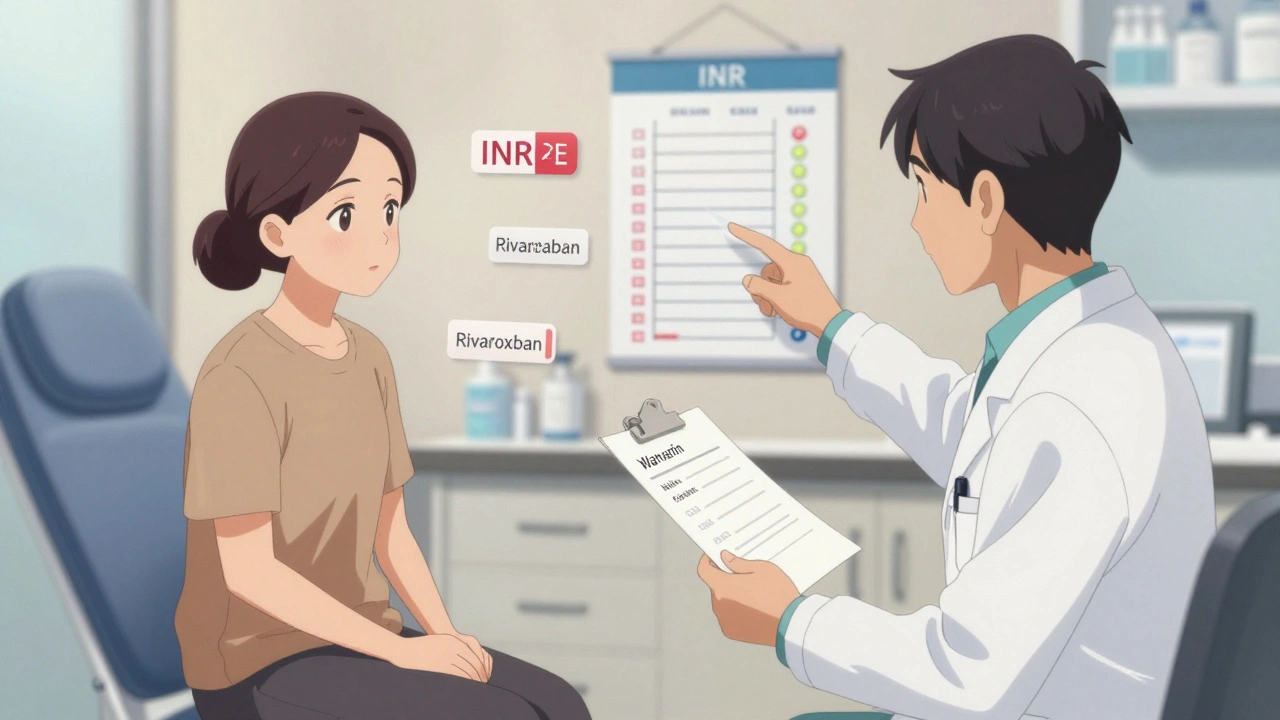
- Warfarin (Coumadin): An old-school drug that needs regular blood tests (INR) to check how thin your blood is. If your INR is above 3.5, your risk of bleeding goes up. Below that? Many procedures can go ahead safely without stopping it.
- DOACs (like rivaroxaban, apixaban, dabigatran): Newer drugs that work faster and leave your system quicker. They don’t need blood tests. Most can be skipped just the morning of your procedure and restarted the same day or next day.
- Antiplatelets (aspirin, clopidogrel): These don’t thin your blood-they stop platelets from clumping. Studies show they cause almost no extra bleeding in minor skin or cosmetic procedures. Many dermatologists and plastic surgeons now say you can keep taking them without worry.
For example, a 2023 review of over 1,300 patients on DOACs who had skin procedures found only 1.74% had any bleeding issue. That’s less than 2 in 100. Meanwhile, patients who stopped their DOACs had a higher rate of dangerous clots-like strokes-than those who kept taking them.
What Procedures Are Safe With Blood Thinners?
Not all cosmetic treatments carry the same risk. Here’s how they break down:
- Low-risk procedures: Chemical peels, laser hair removal, Botox, dermal fillers, shave biopsies, small excisions under 2 cm. For these, you almost always should keep taking your blood thinners. Stopping them adds more danger than the procedure itself.
- Moderate-risk procedures: Larger excisions, mole removals on the face, some laser resurfacing. For DOACs, skip the dose the morning of the procedure. Warfarin can usually continue if INR is under 3.5. Aspirin? No need to stop.
- High-risk procedures: Facelifts, eyelid surgery, rhinoplasty, breast augmentation, tummy tucks. These involve larger areas, more blood vessels, and longer surgery times. Here, your surgeon might ask you to pause DOACs 24-48 hours before. Warfarin may need to be stopped earlier. But even then, bridging with heparin injections is rarely needed-and often makes bleeding worse.
Facial procedures are especially tricky because the face is packed with blood vessels. A small bleed there can cause swelling that affects your vision, breathing, or healing. That’s why surgeons are extra cautious-but they’re also not automatically stopping your meds. They’re weighing risks, not playing it safe the old way.
The Real Danger: Stopping Your Medication
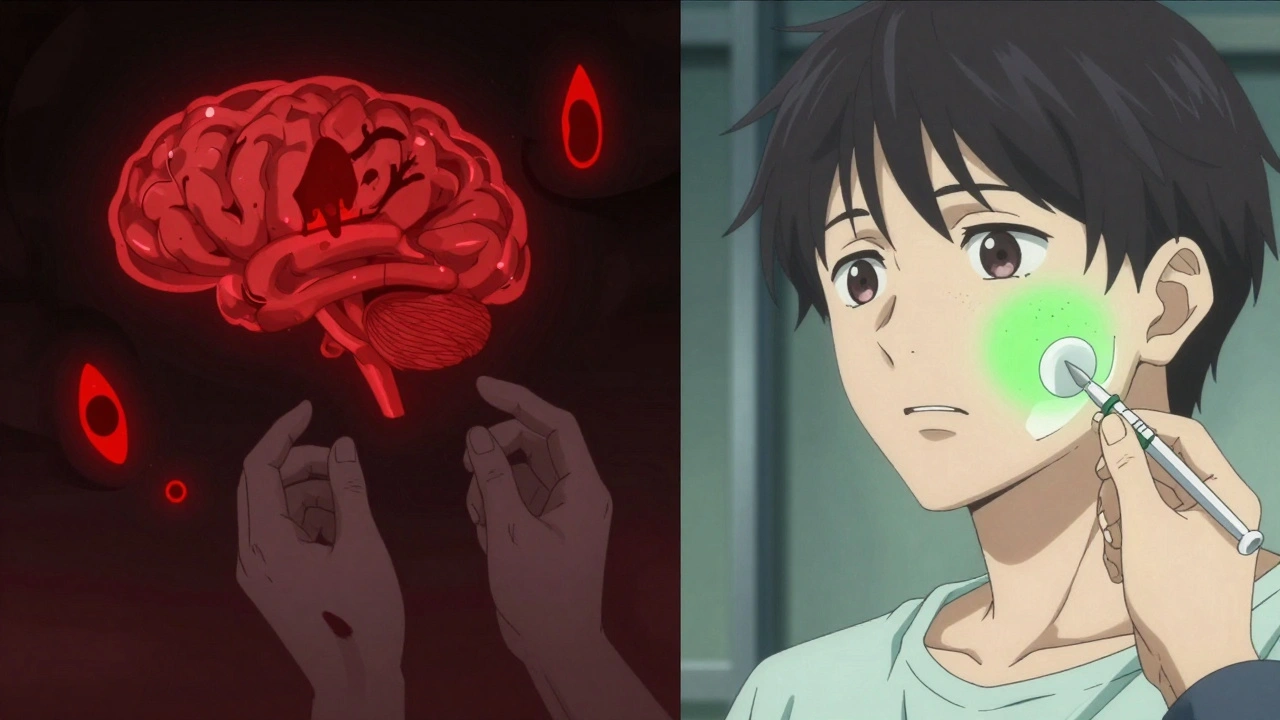
Let’s talk numbers. A 2014 survey of 168 plastic surgeons found 46 serious blood clot events-3 deaths, 24 strokes-after patients stopped their blood thinners for minor procedures. Over half of those happened after warfarin was stopped. Nearly 40% happened after aspirin was held.
Here’s the hard truth: if you have atrial fibrillation, a mechanical heart valve, or a history of DVT or pulmonary embolism, your baseline risk of a clot is already 0.6% to 1.1% per year. Stopping your medication-even for a few days-can spike that risk by 10 times or more. Meanwhile, the chance of a serious bleed from a filler or laser? Less than 0.5%.
One study followed 1,572 patients having body contouring surgery while on anticoagulants. Only 20 had any drug-related complications. Of those, just 12 were bleeding issues. The rest? Infections, scarring, or poor healing-not directly tied to the blood thinner.
What Your Surgeon Should Ask You
Good surgeons don’t give blanket advice. They ask questions:
- What medication are you on? (Exact name and dose)
- Why are you on it? (AFib? Clot history? Stent?)
- When was your last INR test? (If on warfarin)
- Have you had a clot or bleed in the past year?
- Are you on more than one blood thinner? (Like aspirin + apixaban)
If your surgeon says, "Just stop everything," walk away. That’s not modern care. The British Society of Dermatologists and the American Society of Plastic Surgeons both say: Continue anticoagulants for low-risk procedures. Don’t stop unless there’s a clear, individualized reason.
What You Should Do Before Your Appointment
Don’t wait until the day before to figure this out. Here’s your checklist:
- Write down every medication you take, including over-the-counter ones like aspirin or fish oil.
- Check your last INR result if you’re on warfarin. Bring the report.
- Ask your cardiologist or GP: "Is it safe to continue my blood thinner for this procedure?" Get it in writing if possible.
- Bring that note to your cosmetic provider. Don’t assume they know your full history.
- Don’t stop anything without talking to both your prescribing doctor and your surgeon.
And if your surgeon pushes you to stop your meds without reviewing your personal risk? Get a second opinion. This isn’t about being difficult-it’s about avoiding a stroke.

What Happens If You Bleed?
Even if you keep your blood thinner, bleeding isn’t guaranteed. But if it happens, here’s what to expect:
- Minor bruising? Common. Usually fades in 1-2 weeks.
- Swelling or a small hematoma? Your surgeon may apply pressure, ice, or drain it in the office.
- Major bleeding? Rare. If it happens, you might need to return to the clinic for stitches or a small procedure to stop the bleed.
Contrary to old myths, minor bleeding doesn’t mean your procedure failed. It doesn’t ruin your results. Most people heal just fine-even with a little extra bruising.
What does ruin results? A stroke. A heart attack. A clot that forms because you stopped your medicine. That’s the real cost.
What About Natural Supplements?
Don’t forget about what’s in your medicine cabinet. Fish oil, garlic, ginkgo, turmeric, and vitamin E can all thin your blood. They’re not regulated like prescription drugs, but they still matter.
If you take any supplements daily, tell your surgeon. Many patients don’t realize these count. One study found patients taking fish oil had nearly double the bruising risk after facial procedures-even while on no prescription blood thinners.
It’s not about avoiding supplements forever. Just pause them 7-10 days before your procedure if your surgeon advises it. Don’t guess. Ask.
The Bottom Line: It’s About Balance, Not Fear
The goal isn’t to avoid all bleeding. The goal is to avoid a life-threatening clot. For most people on blood thinners, the safest path is to keep taking them-especially for minor cosmetic work.
Modern guidelines agree: stop nothing unless you have to. For warfarin, keep it if your INR is under 3.5. For DOACs, skip the morning dose before your procedure. For aspirin? Keep taking it. For high-risk surgeries, plan ahead-but don’t assume you need to stop.
And if your doctor says, "Just stop everything," ask why. Demand evidence. Ask for the latest guidelines. You’re not being difficult. You’re being smart.
Your body’s been on these medications for a reason. Don’t let outdated advice put you at risk. The data is clear: staying on your blood thinner is often the most dangerous thing you can do.
Can I keep taking aspirin before a cosmetic procedure?
Yes, in almost all cases. Multiple studies show aspirin doesn’t increase bleeding risk significantly in minor cosmetic procedures like fillers, lasers, or skin biopsies. The American Society of Plastic Surgeons and the British Society of Dermatologists both recommend continuing aspirin. Stopping it raises your risk of heart attack or stroke more than the procedure raises your risk of bleeding.
Should I stop my DOAC (like rivaroxaban) before a facelift?
Possibly, but not always. For high-risk procedures like a facelift, your surgeon may ask you to skip your DOAC dose 24-48 hours before surgery. But you should restart it within 24 hours after. Bridging with heparin injections is rarely needed and often increases bleeding risk. Never stop DOACs without consulting both your cardiologist and your surgeon.
Is bruising after a filler normal if I’m on blood thinners?
Yes, bruising is more common if you’re on blood thinners-but it’s usually mild and temporary. Most bruises fade within 1-2 weeks. The risk of a serious clot from stopping your medication is far greater than the risk of a bruise. Don’t avoid fillers because you’re afraid of bruising. Talk to your provider about minimizing it with ice, pressure, and avoiding alcohol or NSAIDs beforehand.
Can I have Botox while on warfarin?
Yes, absolutely. Botox injections are low-risk procedures with minimal bleeding potential. As long as your INR is below 3.5, you can safely continue warfarin. Stopping warfarin for Botox is unnecessary and dangerous. The British Society of Dermatologists explicitly supports continuing anticoagulants for all injectable treatments.
What if I’m on two blood thinners at once?
This increases bleeding risk, so it needs careful planning. If you’re on, say, aspirin and apixaban, your surgeon may recommend stopping the aspirin 7-10 days before a higher-risk procedure-but never stop the DOAC unless absolutely necessary. Your prescribing doctor should help you decide which one to pause, if any. Never stop both. The risk of a clot is too high.
12 Comments
Mark Curry
6 December, 2025I've been on rivaroxaban for AFib for 5 years now. Got Botox last month and didn't stop anything. Just a tiny bruise that faded in 10 days. My cardiologist and derm were on the same page. Don't let fear make you choose the bigger risk. 😌
Manish Shankar
7 December, 2025It is with profound respect for medical science and patient autonomy that I acknowledge the paradigm shift in clinical guidelines regarding anticoagulant management during minor cosmetic interventions. The evidence base is unequivocal, and the ethical imperative to avoid iatrogenic harm through unnecessary medication cessation is paramount.
Lynette Myles
7 December, 2025They’re lying. They want you to stay on it so they can bill you for more procedures. Bruising = more visits. More visits = more money. They don’t care if you die of a clot. They care if you come back for touch-ups.
Annie Grajewski
9 December, 2025so like... i took aspirin before my lip filler and got a black eye. like. full on. i thought i was gonna be dead. but then i Googled it and turns out it was fine? like... who even are these doctors? they act like they know stuff but honestly i think they just read the same reddit post i did. also i take turmeric so... yeah. 🤷♀️
Norene Fulwiler
10 December, 2025As a Black woman who’s had three fillers and two laser sessions while on warfarin, I’m tired of the silence around how this affects marginalized people. Our doctors often assume we’re noncompliant or don’t understand. But we’re the ones reading the studies, bringing the INR logs, and pushing back. This isn’t just medical advice-it’s a matter of dignity.
Katie Allan
10 December, 2025This is exactly the kind of nuanced, evidence-based guidance we need more of. So many people live in fear of minor bruising, not realizing the real danger lies in stopping their meds. I’ve shared this with my book club and my sister who’s on apixaban. Knowledge is the best kind of armor.
Deborah Jacobs
10 December, 2025I used to think blood thinners meant you couldn’t even get a piercing. Then I got my nose ring while on Eliquis and didn’t even bleed through my shirt. Bruise? Yeah. Like a watercolor painting on my cheek. But I didn’t have a stroke. And honestly? That’s the win. I stopped taking fish oil for a week though-just in case. Don’t be lazy. Your supplements count too.
Michael Dioso
12 December, 2025Oh wow. So now we’re supposed to trust the same doctors who gave us Vioxx and opioid prescriptions? Let me guess-next they’ll say it’s fine to keep your blood thinner before a facelift. And then you wake up with your face in a cement mixer. No thanks. I’ll take my chances with the clot.
Krishan Patel
13 December, 2025You people are reckless. Your lives are not yours to gamble with. Stopping anticoagulants is a sin against the sanctity of the body. I have studied the Quran and the Hadith on preserving life-this is not wisdom, it is arrogance dressed as science. Your body belongs to God. Do not treat it as a lab experiment.
sean whitfield
14 December, 2025They told us smoking was safe too. They told us lead paint was fine. They told us thalidomide was okay. Now they want you to keep taking blood thinners for a $500 lip job? This is how empires fall. Slowly. With smiles and infographics.
Carole Nkosi
15 December, 2025I’m from Johannesburg. We don’t have the luxury of choosing between bruising and a stroke. My cousin stopped her DOAC for a brow lift and had a pulmonary embolism two days later. She’s on oxygen now. Your cosmetic procedure is not more important than your life. Stop being so selfish.
Philip Kristy Wijaya
15 December, 2025Ive been on warfarin for 12 years. Had a full face lift last year. INR was 2.8. Kept it on. No major bleed. Just a little swelling. But here's the thing no one says-your surgeon needs to be good. Not just certified. Good. Like the kind who knows where the vessels are. If your surgeon cant tell you the difference between a vein and a capillary, then maybe dont do it at all. I got lucky. Dont be like me.