

The U.S. Food and Drug Administration (FDA) doesn’t just check drugs made in America-it inspects every pill, vial, and capsule that crosses the border. With over 186 billion in pharmaceuticals imported annually, the FDA’s import inspection system is the last line of defense against unsafe, counterfeit, or poorly made drugs entering American homes. This isn’t just paperwork. It’s a high-stakes, real-time operation that stops tainted medications before they reach pharmacies and hospitals.
How the FDA Knows What’s Coming In
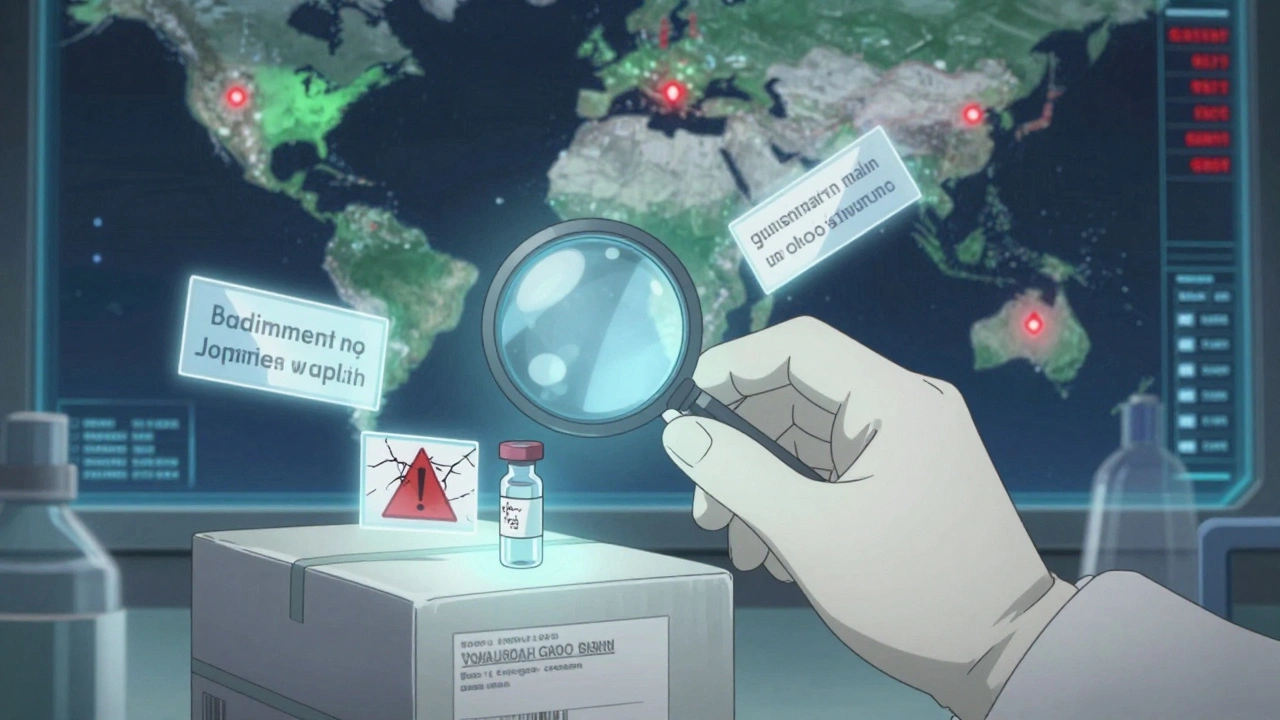
Every drug shipment entering the U.S. must be declared electronically through the FDA’s Prior Notice System Interface (PNSI). Importers-whether it’s a giant like Johnson & Johnson or a small biotech lab shipping research samples-must submit detailed information before the product even arrives. This includes the product type, manufacturer, country of origin, quantity, and intended use. The system flags anything unusual: a shipment from a facility with a history of violations, a product with missing labeling, or a quantity that doesn’t match the declared purpose. The FDA reviews about 1.2 million entries each year. But here’s the key: 98% of those are screened automatically using risk-based algorithms. The system doesn’t look at everything the same way. A shipment of insulin from a German facility with a clean record gets low priority. A shipment of generic blood pressure pills from a factory in India with past compliance issues? That one gets flagged immediately.The Five Steps of an FDA Import Inspection
There’s a clear process every shipment goes through:- Entry Submission: The importer files all required documents electronically.
- Entry Review: The FDA’s system analyzes the data. If red flags appear, the shipment is held for further review.
- Examination and Sampling: FDA inspectors physically check the product. This can mean verifying labels, checking storage conditions, or taking samples to test in a lab.
- Compliance Review: Inspectors compare the product to U.S. standards: Is it manufactured under cGMP? Is it properly labeled? Is it registered with the FDA?
- Final Admissibility Decision: The shipment is either released, held for corrections, or refused entry.
What Gets You Detained
The FDA doesn’t detain shipments randomly. It’s based on clear violations:- Adulterated drugs: Contaminated with harmful substances (like the 2022 valsartan case with NDMA, a cancer-causing chemical).
- Misbranded drugs: Missing required labeling, false claims, or incorrect dosage instructions.
- Unregistered facilities: If the manufacturing site isn’t listed with the FDA, the product is automatically held.
- Unapproved drugs: Any drug not cleared through an NDA, ANDA, or BLA.
The Secure Supply Chain Pilot Program (SSCPP)
Not all importers are treated the same. The FDA runs the Secure Supply Chain Pilot Program, which lets top-tier manufacturers skip most inspections. To qualify, a company must:- Have zero compliance violations for at least three years
- Pass a rigorous on-site audit by FDA inspectors
- Only import up to five designated products
The Big Change: No More De Minimis Exemptions
Until October 2023, shipments under $800 were exempt from FDA review. That loophole let people ship dangerous substances through the mail: fake Adderall, unregulated weight-loss pills, even pill presses. The FDA called it a public health risk. So they shut it down. Now, every drug shipment-no matter how small or cheap-is subject to inspection. That’s added over 350,000 new entries to the FDA’s workload. It’s meant to stop the flood of counterfeit drugs. The Partnership for Safe Medicines estimates that $4.3 billion in fake medications entered the U.S. in 2022, mostly through those small packages. The downside? Academic researchers and small biotech firms are feeling the pinch. One Reddit user reported that importing a biological sample for a lab study now costs $420 extra and takes 5 extra days. Medical schools are seeing delays in critical research. The Association of American Medical Colleges estimates costs for researchers have gone up by 22-35%.Why Some Ports Are Worse Than Others
The FDA doesn’t have inspectors at every port. So where you ship matters. In 2022, the Port of Los Angeles detained only 5.2% of drug shipments. The Port of Miami? 18.7%. Why? It’s not random. Miami sees more shipments from Latin America and the Caribbean, where manufacturing oversight is weaker. Los Angeles handles more shipments from Europe and Canada, where regulatory standards are closer to the U.S. Customs brokers say processing times are unpredictable. One broker told me they’ve seen the same shipment cleared in 2 days in New York and held for 11 days in Atlanta. The FDA says it’s due to staffing and case complexity. Importers say it’s lack of transparency.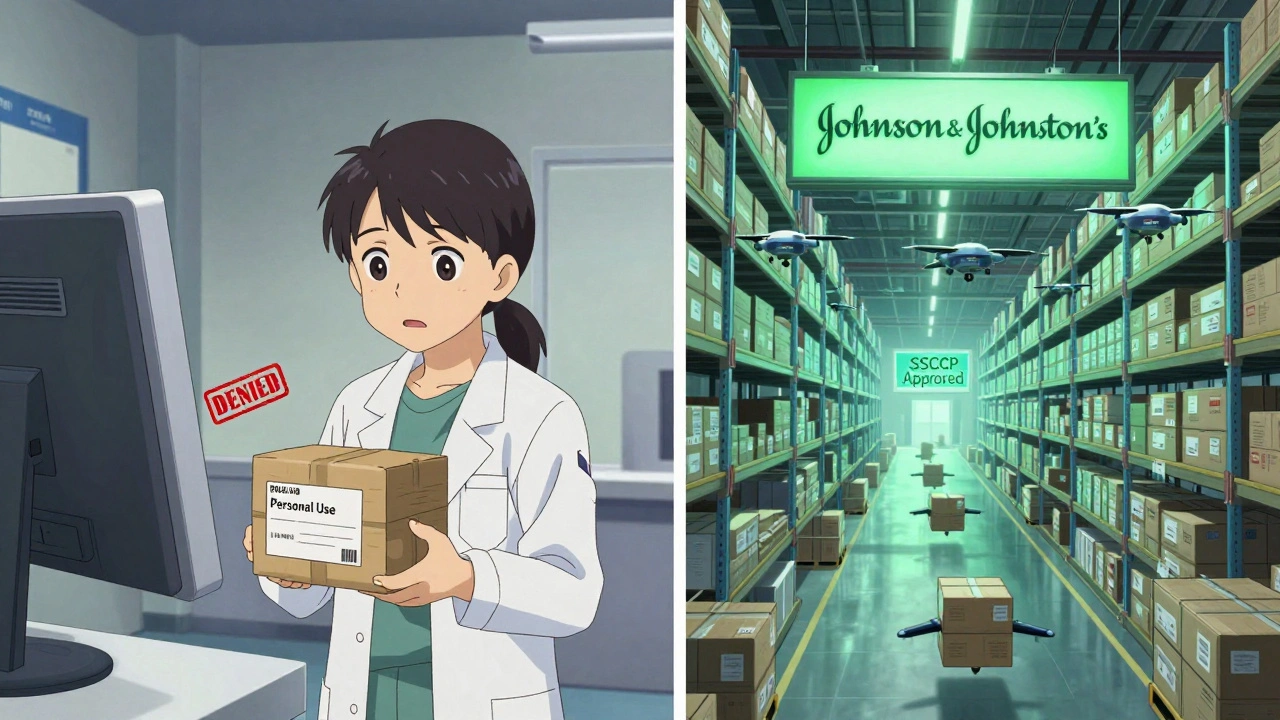
What Importers Need to Get It Right
If you’re shipping drugs into the U.S., here’s what you can’t afford to mess up:- Accurate product coding: Use the right HS code. A wrong code delays everything.
- Complete registration: Both the product and the facility must be registered with the FDA.
- Proper labeling: English labels, correct strength, expiration date, lot number, and manufacturer info.
- Documentation: Commercial invoice, bill of lading, and Affirmation of Compliance (A of C) must match exactly.
The Future: AI, Blockchain, and Global Alignment
The FDA is upgrading. By 2025, they plan to use AI to improve risk scoring by 25%. They’re testing blockchain to track drug movement from factory to pharmacy. And they’re working with international regulators through PIC/S to align standards. The goal? Faster clearance for safe products. Slower, more focused inspections for risky ones. But the system still has gaps. The Government Accountability Office found that only 4 out of 17 key performance metrics from the 2012 FDASIA law have been fully implemented. The U.S. imports 88% of its active pharmaceutical ingredients. That’s not going away. The challenge isn’t stopping imports-it’s making sure the ones that come in are safe. The FDA’s system is the most advanced in the world, according to the WHO. But it’s stretched thin. And as e-commerce drug sales grow (41% of websites selling to U.S. customers operate outside FDA oversight), the pressure will only increase.What This Means for You
If you’re a patient: You can trust that the FDA is watching. Most drugs are safe. But if you buy pills online from a site that doesn’t look professional, skip it. The FDA can’t catch everything. If you’re a pharmacy or hospital: Work with suppliers who use the SSCPP. Ask if their manufacturers are FDA-registered and have clean inspection records. If you’re an importer: Don’t guess. Use the FDA’s Electronic Entry Interface Repository. Talk to port reviewers. Build relationships. And never, ever cut corners on labeling or documentation. One mistake can shut down your entire supply chain. The system isn’t perfect. But it’s the best we have. And right now, it’s the only thing standing between you and a dangerous drug that slipped through the cracks.What happens if a drug shipment is detained by the FDA?
If a shipment is detained, the importer receives a notice explaining why. They can either correct the issue (like fixing a label or providing missing documentation), destroy the product, or export it out of the U.S. If the problem is serious-like contamination or unapproved ingredients-the product is refused entry and cannot be sold in the U.S. under any circumstances.
Can I import drugs for personal use?
The FDA generally allows personal importation of non-controlled prescription drugs if they’re for a serious condition, not available in the U.S., and not for resale. The quantity must be no more than a 90-day supply. But even personal shipments are now subject to inspection since the end of the de minimis exemption. There’s no guarantee of entry, and the FDA can still refuse shipments that are unsafe or misbranded.
How does the FDA decide which shipments to inspect?
The FDA uses a risk-based system that looks at the manufacturer’s history, country of origin, product type, past compliance records, and whether the product has been flagged before. Shipment details like labeling, dosage form, and quantity also influence the decision. Only about 1.2% of all drug shipments get physically inspected each year-so the system relies heavily on data to target the highest-risk entries.
What is a Detention Without Physical Examination (DWPE)?
DWPE is a tool the FDA uses to automatically hold shipments from manufacturers or countries with a history of violations. If a product from a flagged facility arrives, it’s detained without needing an inspector to open the box. The importer must provide proof the product now meets U.S. standards before it can be released. This is common for generic drugs from facilities with past cGMP violations.
How can I check if a drug manufacturer is FDA-registered?
Go to the FDA’s Drug Establishment Registration and Listing database on their website. You can search by company name, facility address, or product. If a facility isn’t listed, the drugs it produces are not legally allowed to be imported into the U.S. Always verify this before placing an order.
12 Comments
Clare Fox
7 December, 2025so i just learned that my blood pressure med came from a factory that got flagged last year. no wonder i felt weird after the batch switched. guess i’m lucky it got caught before it hit the shelf.
also, why does it take 11 days in atlanta but 2 in ny? someone’s got a spreadsheet somewhere that makes zero sense.
Priya Ranjan
9 December, 2025India produces 40% of the world’s generic drugs and you’re acting like every shipment is a ticking bomb. The FDA’s system is overkill. We follow cGMP, we export to Europe and Canada without issues-why is the U.S. so paranoid? Your fear-mongering is why pharma costs so much here.
Stop blaming the manufacturers. Start blaming the bureaucracy.
Billy Schimmel
10 December, 2025so basically the FDA is playing whack-a-mole with pills while researchers starve for samples. classic.
congrats, you stopped a few fake Adderall pills. now 50 grad students can’t finish their thesis because their enzyme shipment got held for ‘incorrect HS code.’
Inna Borovik
12 December, 2025Let’s not romanticize the FDA’s ‘risk-based’ system. 98% auto-screened? That means 2% get manually inspected-about 24,000 shipments. But 14.3% of those get detained, and 68% of those are refused. So roughly 2,000 shipments blocked per year. Sounds impressive until you realize that’s less than 0.001% of all imported drugs.
Meanwhile, 41% of online pharmacies operate outside FDA oversight. That’s where the real danger is. This whole inspection circus is theater. The real problem? The U.S. outsourced manufacturing and now we’re policing the backdoor with duct tape.
Mayur Panchamia
13 December, 2025Ha! America thinks it’s the world’s drug cop? We make 80% of the world’s generic medicines and you treat us like criminals? Your FDA doesn’t inspect your own hospitals for corruption-you inspect OUR factories because you’re too lazy to fix your broken healthcare system!
Stop calling us ‘unregistered’-we’re registered in India, where we have laws too! Your $800 loophole was a joke, but your 11-day delays in Atlanta? That’s racism disguised as regulation!
Kenny Pakade
13 December, 2025of course the FDA is ‘the best in the world’-according to the WHO, which is funded by big pharma. you think they care about safety? they care about profit. if your drug is made in India, it’s ‘risky.’ if it’s made in Germany, it’s ‘premium.’ same pill, different price tag.
and don’t even get me started on the SSCPP-only 27 companies qualify? that’s not a pilot program, it’s a corporate sweetheart deal. the rest of us get stuck in the bureaucratic mud.
brenda olvera
14 December, 2025as someone who grew up in Mexico and now lives in Texas, I’ve seen how drugs move across borders. the FDA isn’t perfect, but they’re trying. I’ve seen people buy fake insulin from Instagram sellers and die. this system? it saves lives. even if it’s slow.
maybe we need better tech, not less oversight. the problem isn’t the FDA-it’s the people who think buying pills off a random website is okay.
Myles White
15 December, 2025I’ve been in the pharma logistics game for over 15 years, and let me tell you-the system is more fragile than people realize. The HS code issue? It’s not just a typo. It’s a cascade failure. One wrong digit, and your entire shipment gets flagged, then sent to a different port, then assigned to an overworked inspector who’s never seen that product before, then it gets held because the label says ‘50mg’ instead of ‘50 MG’-and suddenly you’ve lost a week and $12k in storage fees.
And the worst part? The FDA doesn’t even tell you why it got flagged until after the fact. You get a PDF with 17 bullet points in tiny font, none of which match what your customs broker told you. It’s like playing chess with a blindfolded referee who changes the rules every round.
Brooke Evers
16 December, 2025to everyone complaining about delays: I get it. I’ve worked with academic labs that lost months because of a single mislabeled vial.
but imagine if that vial had been contaminated-and it got into a patient’s IV. That’s not hypothetical. It’s happened. The FDA’s system isn’t elegant, but it’s the only thing standing between us and another thalidomide.
we need better tools, faster tech, more staff-but not less oversight. the stakes are too high. maybe we can fix the process, but we can’t afford to ignore it.
Chris Park
17 December, 2025the FDA doesn't inspect drugs-they inspect your nationality. if you're from India or China, your pills are guilty until proven innocent. if you're from Germany or Switzerland, they're 'premium' even if they're identical.
the 'de minimis' loophole was a gift to small businesses and researchers. shutting it down? that's not public safety-that's corporate consolidation. Big Pharma wanted to crush the competition. Now they own the gate.
and don't believe the 'AI and blockchain' hype. they're just putting lipstick on a pig. the real issue? 88% of APIs come from countries the U.S. considers 'risky'-but the U.S. government approved those supply chains for 30 years. now they're blaming the suppliers for their own failure to regulate.
Saketh Sai Rachapudi
18 December, 2025you guys act like India is some backwater of fake drugs-but we make 70% of the world’s generics and our quality is better than your local CVS! you think we don’t have labs? we have more PhDs per capita than your Ivy League schools!
and your ‘cGMP’? we follow it better than you enforce it! your inspectors come for a week, take photos, then write a report in 3 hours. we have inspectors on-site 24/7!
stop blaming us for your broken system. fix your own bureaucracy!
joanne humphreys
19 December, 2025i’m not an expert, but i’ve read this whole thing twice. it’s wild how much goes into making sure a pill is safe. i never thought about HS codes or labeling typos being a big deal-but now i see how one mistake can hold up thousands of doses.
maybe the system is slow, maybe it’s unfair, but i’m glad someone’s checking. i’d rather wait a few extra days than risk my kid getting a bad batch.