
What Are MAO Inhibitors?
MAO inhibitors are a class of antidepressants that block the monoamine oxidase enzyme, which normally breaks down neurotransmitters like serotonin, norepinephrine, and dopamine in the brain. First discovered in the 1950s, they were originally developed as tuberculosis drugs before their mood-lifting effects were noticed. Today, they’re used mainly for treatment-resistant depression, atypical depression, and certain anxiety disorders. But because they work so powerfully on brain chemistry, even small mistakes with other medications or foods can lead to life-threatening reactions.
Why MAO Inhibitors Are Risky
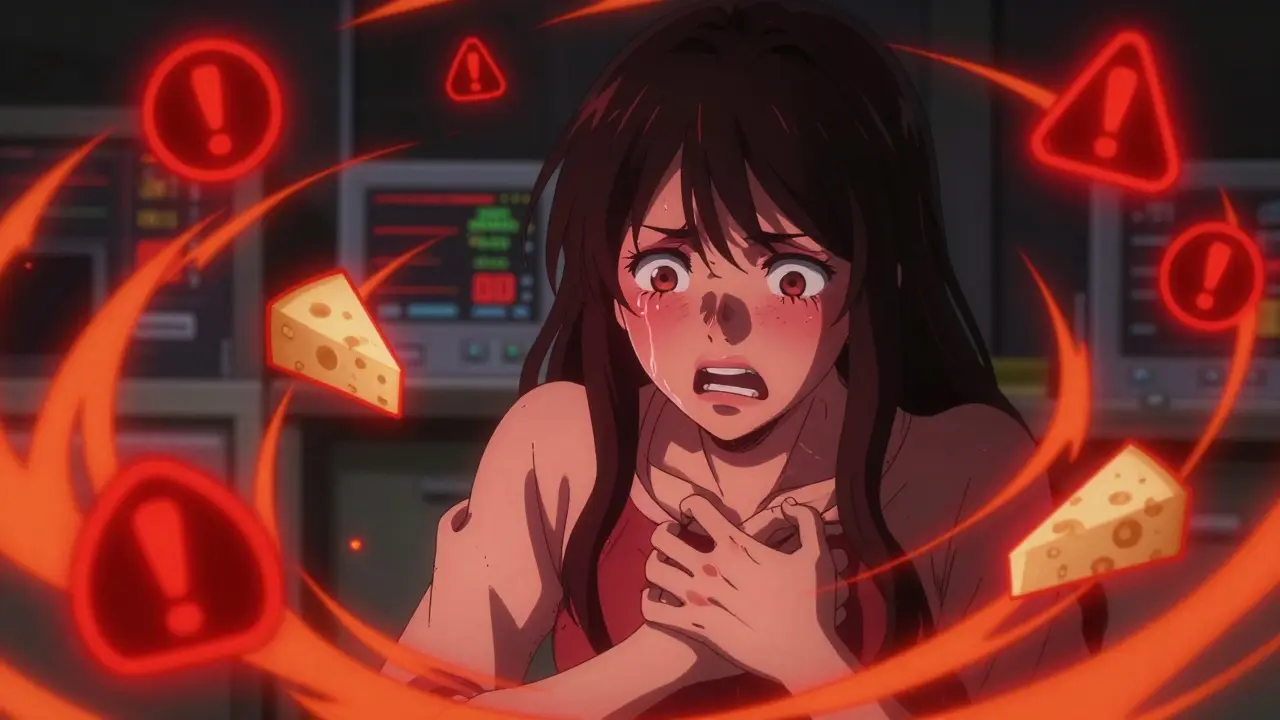
MAO inhibitors don’t just affect your mood-they affect your entire nervous system. When they stop the enzyme from breaking down neurotransmitters, those chemicals build up. That’s good for depression, but dangerous when combined with other substances that also boost those same chemicals. Two major dangers stand out: hypertensive crisis and serotonin syndrome.
Hypertensive crisis happens when tyramine-a compound found in certain foods-builds up in your body. Normally, your liver breaks it down. But MAO inhibitors block that process. Tyramine then triggers a massive release of norepinephrine, causing your blood pressure to spike. Cases have been documented where systolic pressure jumped from 120 to over 250 mmHg within two hours after eating aged cheese or drinking draft beer. That’s enough to cause stroke, heart attack, or death.
Serotonin syndrome is even more unpredictable. It occurs when too much serotonin accumulates in your system. Symptoms start mild-shivering, sweating, diarrhea-but can quickly turn deadly: fever above 41°C (106°F), muscle rigidity, seizures, organ failure. The mortality rate for severe cases is 2-12%. It doesn’t take much to trigger it. A single dose of an over-the-counter cough medicine can be enough if you’re on an MAOI.
Medications You Must Avoid
Many common drugs are absolutely off-limits with MAO inhibitors. The FDA and medical guidelines list these as contraindicated, meaning they should never be taken together.
- SSRIs like fluoxetine (Prozac), sertraline (Zoloft), and citalopram (Celexa) - combining these with MAOIs can cause serotonin syndrome. You need at least a 14-day gap between stopping one and starting the other. For fluoxetine, wait five weeks because it stays in your system so long.
- Dextromethorphan - found in more than 100 cough and cold products. A 26-year-old woman was hospitalized after taking just 30mg of it while on phenelzine. Her symptoms: agitation, high fever, confusion.
- Tramadol, meperidine, methadone - these painkillers are especially dangerous. A 32-year-old man needed intubation after taking 50mg of tramadol while on selegiline.
- Linezolid - an antibiotic used for resistant infections. It also inhibits MAO. There are documented deaths from combining it with MAOIs, including a fatal case in a 65-year-old woman.
- Phenylephrine - a common decongestant in cold medicines like Sudafed PE. It causes rapid, dangerous spikes in blood pressure when mixed with MAOIs.
- Ephedra - banned by the FDA in 2004, but still found in some supplements. Even small amounts can trigger hypertensive emergencies.
Supplements That Can Kill
People often think “natural” means safe. That’s not true with MAOIs. Several popular supplements carry serious risks:
- St. John’s Wort - used for mild depression, but it increases serotonin. Cases of serotonin syndrome have been reported after combining it with MAOIs.
- 5-HTP - a precursor to serotonin. One patient on phenelzine took 200mg of 5-HTP and developed a temperature of 40.5°C and blood pressure of 220/110 mmHg.
- SAMe - another serotonin booster. No safe dose has been established when used with MAOIs.
- Ginseng - early case reports from the 1980s linked it to mania and tremors in people on MAOIs. Some researchers suspect caffeine contamination played a role, but the risk remains.
Dietary Restrictions Are Not Optional
If you’re on an oral MAOI, you can’t just eat whatever you want. Tyramine is everywhere in aged, fermented, or cured foods:
- Aged cheeses (cheddar, blue, parmesan - especially if stored over six months)
- Tap beer and draft beer (bottled beer is usually safer)
- Soy sauce, miso, tempeh
- Cured meats: pepperoni, salami, pastrami
- Fermented tofu, sauerkraut
- Red wine, especially Chianti
As little as 10-25mg of tyramine can trigger a crisis. One ounce of strong aged cheese can contain 15mg. That’s why doctors tell patients to avoid these foods entirely. The rule isn’t about moderation-it’s about elimination.
There’s one exception: the selegiline patch (Emsam). At the lowest dose (6mg/24hr), it doesn’t block tyramine breakdown in the gut, so dietary restrictions are lifted. That’s why over two-thirds of new MAOI prescriptions today are for the patch. It’s safer, easier, and more practical.
What About Switching Medications?
Many people start on an SSRI and later switch to an MAOI-or vice versa. That transition is risky if not done right.
Doctors require a 14-day washout period between stopping an MAOI and starting an SSRI. But if you’ve been on fluoxetine, you need to wait five weeks. Why? Fluoxetine and its active metabolite, norfluoxetine, linger in your body for weeks after you stop taking it. Jumping ahead can mean serotonin syndrome even if you think you’ve stopped the drug.
Electronic health records now block doctors from prescribing MAOIs alongside contraindicated drugs. That’s thanks to a 2004 FDA mandate after 19 deaths were linked to these interactions between 1998 and 2003. But the system isn’t foolproof. A 2021 study found 34% of primary care doctors didn’t know dextromethorphan was dangerous with MAOIs. Patients often don’t know either.

What You Should Do
If you’re prescribed an MAOI:
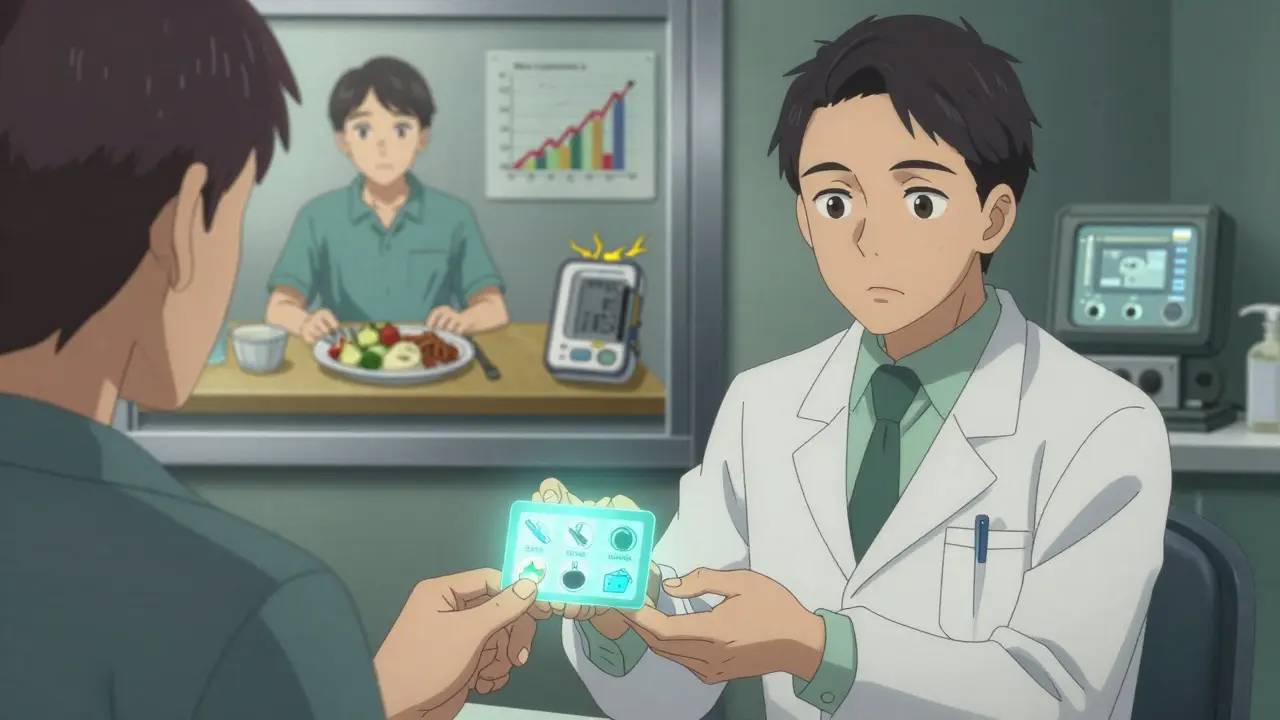
- Get a wallet card listing all contraindicated medications and foods. About 78% of psychiatrists now give these to patients.
- Carry it with you at all times. Emergency responders need to know what you’re on.
- Always tell every doctor, dentist, or pharmacist you see that you’re taking an MAOI-even for a simple tooth extraction.
- Check every new medication, even OTC ones. Look for dextromethorphan, phenylephrine, or pseudoephedrine on the label.
- If you’re using the Emsam patch, confirm your dose. Only the 6mg/24hr version allows normal eating. Higher doses still require dietary restrictions.
MAO inhibitors still have a place in treating depression that hasn’t responded to anything else. But their use requires extreme caution. A single missed warning can be fatal.
Why Are MAOIs Still Prescribed?
They’re not first-line anymore. In the U.S., less than 1% of antidepressant prescriptions are for MAOIs. But they work where others don’t. For people with severe, treatment-resistant depression, they can be life-changing. Most prescriptions come from psychiatrists-not general doctors-because managing the risks requires expertise.
Research continues into safer versions. Moclobemide, a reversible MAO-A inhibitor, is used in Europe and has far fewer interactions. But it was never approved in the U.S. because clinical trials showed only modest benefits. Until something better comes along, MAOIs remain a high-risk, high-reward tool.
Final Warning
There’s no room for guesswork. If you’re on an MAOI, assume every new medication, supplement, or even cold remedy could be dangerous. Don’t rely on memory. Don’t ask a friend. Don’t Google it. Ask your doctor. Show them your list. Read every label. Your life depends on it.
Can I take ibuprofen with MAO inhibitors?
Yes, ibuprofen and other NSAIDs like naproxen are generally safe with MAO inhibitors. They don’t affect serotonin or norepinephrine levels. But always check with your doctor, especially if you’re on blood thinners or have kidney issues. The main danger with MAOIs comes from drugs that alter brain chemistry, not pain relievers.
Is it safe to drink alcohol while on MAO inhibitors?
No. Alcohol can cause dangerous spikes in blood pressure when combined with MAO inhibitors. Red wine is especially risky because it contains tyramine. Even small amounts-like one glass-can trigger a hypertensive crisis. Avoid all alcohol unless your doctor specifically says otherwise.
What should I do if I accidentally take a contraindicated drug?
Call emergency services immediately. Don’t wait for symptoms. If you’ve taken dextromethorphan, phenylephrine, or an SSRI while on an MAOI, get to a hospital right away. Early treatment can prevent death. Symptoms like high fever, rapid heartbeat, confusion, or severe headache mean you need urgent care.
Are there any MAOIs that are safer than others?
Yes. The selegiline patch (Emsam) at the 6mg/24hr dose is the safest option. It doesn’t block tyramine breakdown in the gut, so you can eat most foods normally. Oral MAOIs like phenelzine and tranylcypromine carry much higher risks. The patch also avoids the digestive system, reducing side effects like dizziness and weight gain.
Why don’t doctors prescribe MAOIs more often?
Because the risks outweigh the benefits for most people. SSRIs and SNRIs are safer, easier to use, and work well for most cases of depression. MAOIs are reserved for when other treatments fail. They require strict diet control, careful medication management, and ongoing monitoring. Most primary care doctors aren’t trained to manage them safely.
Can I stop taking an MAOI if I feel better?
Never stop suddenly. Abruptly stopping an MAOI can cause withdrawal symptoms like anxiety, agitation, insomnia, and even seizures. Always work with your doctor to taper off slowly. And if you plan to switch to another antidepressant, follow the 14-day (or 5-week for fluoxetine) washout period exactly.
14 Comments
Eli Kiseop
1 February, 2026I had no idea dextromethorphan was this dangerous with MAOIs. I’ve taken Robitussin like 5 times last winter and I’m on phenelzine. Holy shit.
Dan Pearson
3 February, 2026Oh please. You people act like MAOIs are some kind of nuclear bomb you just picked up at the pharmacy. I’ve been on tranylcypromine for 8 years. I eat blue cheese, drink draft beer, and take NyQuil like it’s candy. I’m fine. You’re just scared because you don’t understand neurochemistry.
Monica Slypig
4 February, 2026I dont know why doctors even still prescrib these things. Its like giving someone a chainsaw and saying 'be careful' when theyve never used one. My cousin died from this and it was so preventable. Like come on.
Becky M.
6 February, 2026I’m a nurse and I’ve seen two patients in ICU from MAOI interactions. One was a 70-year-old man who took Sudafed PE for a cold. He didn’t even know it was on the label. It’s not just about the meds-it’s about the system. No one tells you this stuff clearly. Please, if you’re on one, print this post and tape it to your fridge.
Hannah Gliane
6 February, 2026So let me get this straight… you’re telling me I can’t have my weekly cheddar and red wine while on Emsam? 😔 And I thought my ‘self-care’ routine was safe. Guess I’ll just drink kombucha and cry into my tofu. 🙃
Murarikar Satishwar
6 February, 2026In India, we don’t have easy access to these meds, but I’ve read about them in journals. The real issue is not the drug-it’s the lack of patient education. Most people don’t even know what monoamine oxidase is. How can they avoid interactions if they don’t understand the mechanism?
Bob Hynes
7 February, 2026I’ve been on the Emsam patch for two years now. At 6mg, I eat everything. I had a plate of pepperoni pizza last night and didn’t even flinch. It’s the only reason I’m still alive and not on a disability check. If you’re struggling with treatment-resistant depression, this is your lifeline. Just don’t be lazy about reading labels.
Ellie Norris
7 February, 2026I just got prescribed selegiline patch last week and honestly I was terrified. I spent 3 hours on Reddit reading everything. This post is the most accurate thing I’ve found. Thank you for writing it. I’m printing it out and laminating it. No joke.
Marc Durocher
8 February, 2026Dan, you’re not a hero. You’re a walking time bomb. I’ve seen your type before. You think you’re invincible because you haven’t died yet. But one day, you’ll take a cold medicine you think is ‘safe’ and your blood pressure will hit 300. And then you’ll be the reason people stop trusting doctors. Please stop.
larry keenan
10 February, 2026The pharmacokinetic half-life of norfluoxetine is approximately 7–15 days, with a terminal elimination half-life of up to 16 days. Consequently, the 5-week washout period is pharmacologically justified to ensure sufficient clearance prior to initiating MAOI therapy. Failure to adhere to this protocol significantly increases the risk of serotonin syndrome, a potentially fatal iatrogenic condition.
Nick Flake
10 February, 2026We treat depression like it’s a software bug you can just patch. But the brain isn’t a phone. It’s a symphony. MAOIs don’t fix your mood-they reset the whole orchestra. And yeah, sometimes the conductor drops the baton. But if you’ve tried everything else and you’re still drowning… sometimes you gotta risk the storm to hear the music again.
Chinmoy Kumar
12 February, 2026I was on MAOI for 6 months. I lost 15kg because I was scared to eat anything. Then I switched to bupropion and now I’m alive and eating samosas again. To anyone scared: you’re not weak for needing help. You’re brave for trying. Just be smart.
Brett MacDonald
14 February, 2026so like… if the patch is safer why dont they just make all maois like that? its not like they cant manufacture it right? its just capitalism i bet. they want you to buy the expensive oral stuff so you keep coming back. capitalism is the real villain here
Sandeep Kumar
15 February, 2026America overmedicates everything. In India we use yoga and turmeric. You people take pills for sadness. This is why your mental health is worse than ours. MAOIs are just another symptom of your broken system.