Drug Patent Expiration: What Happens When Brand Drugs Go Generic
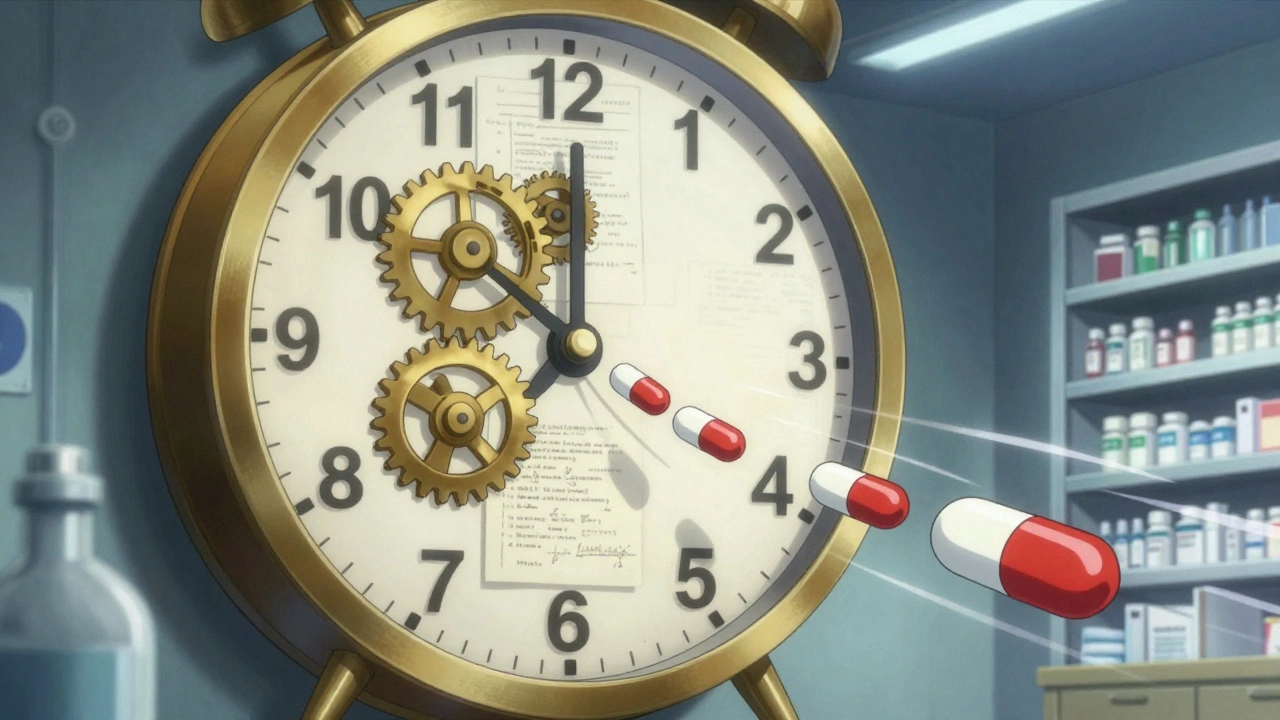
When a drug patent expiration, the legal end of a pharmaceutical company’s exclusive right to sell a brand-name medication. Also known as patent cliff, it’s the moment when generic versions can legally enter the market and compete on price. This isn’t just a legal footnote—it’s a financial earthquake for patients, pharmacies, and insurers. Before expiration, you might pay $300 for a month’s supply of a brand drug. After? Often $10 or less. That’s not marketing—it’s basic economics kicking in.
But here’s what most people don’t realize: generic drugs, medications that contain the same active ingredient as the brand version, made after the patent expires. Also known as off-patent drugs, they must meet the same FDA standards for safety, strength, and quality. They don’t need to repeat expensive clinical trials. They just need to prove they work the same way in the body. That’s why they’re cheaper—not because they’re inferior, but because the R&D cost was already paid by the original maker. And when multiple generic makers enter the market, prices drop even further. You might not see it on your receipt, but that $250 monthly copay on Lipitor? It’s now $5 for atorvastatin.
Then there’s the pharmaceutical patents, legal protections that give drug companies 20 years of market exclusivity to recoup research costs. But here’s the twist: the clock doesn’t start when the drug hits shelves. It starts when the patent is filed—often years before clinical trials even begin. That means the actual time a drug has market exclusivity is often just 7–12 years. Companies know this. That’s why they file new patents on minor changes—new coatings, new dosages, new delivery systems—to delay generics. It’s called evergreening, and it’s legal, but it’s not always ethical.
And when those patents finally expire, it’s not just about price. It’s about access. A patient who couldn’t afford their heart medication might suddenly be able to refill it. A senior on a fixed income might stop skipping doses. A pharmacy that once had to order expensive brand pills can now stock a cheaper, equally effective version. That’s the real impact of drug patent expiration. It doesn’t just change a label—it changes lives.
You’ll find posts here that dig into how expired patents affect your prescriptions, what happens when generics don’t work the same for you, how to ask for the generic version without sounding like you’re cutting corners, and why some drugs stay expensive even after patent loss. Some explain how insurance plays into it. Others show how to spot authorized generics—same pill, lower price. You’ll also see how this ties into bigger issues: drug shortages, pricing transparency, and why your pharmacy might push you toward a brand even when a generic exists. This isn’t theory. It’s your next prescription.