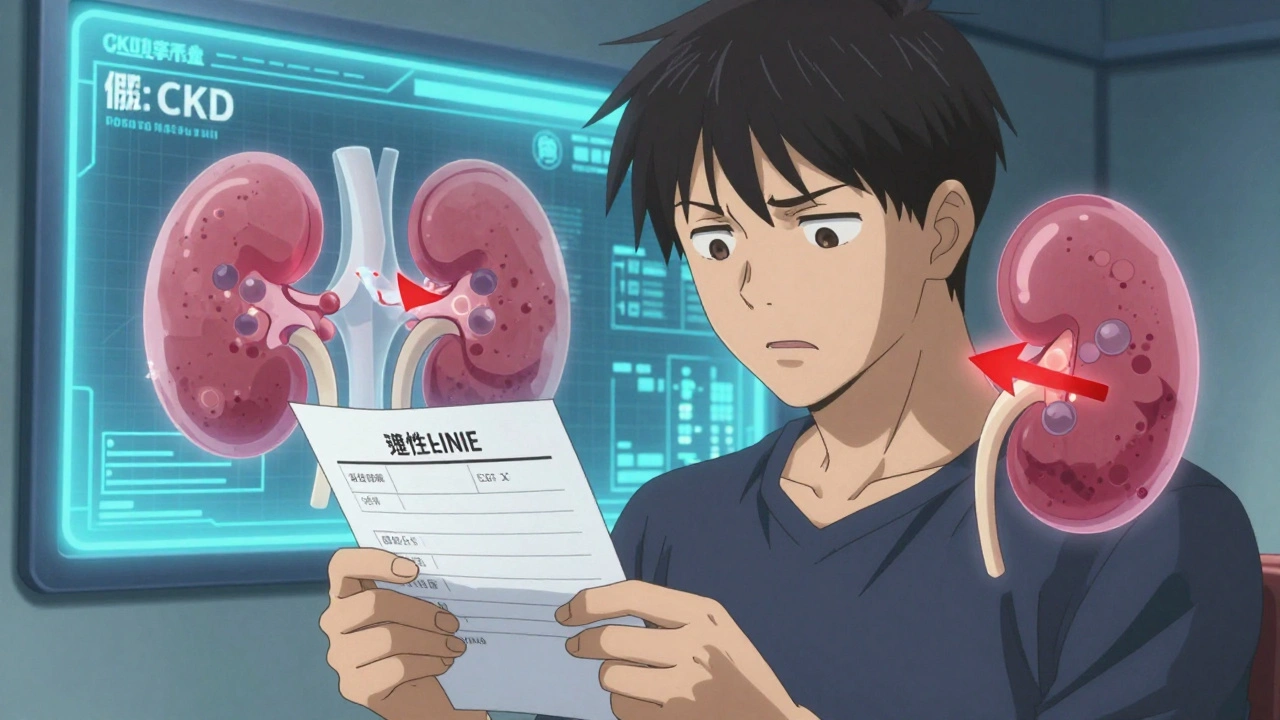
Kidney Disease Medications: What Works, What to Avoid, and How to Stay Safe
When your kidneys aren’t working right, the right kidney disease medications, drugs prescribed to slow damage, manage symptoms, and control complications like high blood pressure and fluid buildup can make all the difference. But not all meds are safe—some can make things worse. Many people don’t realize that common painkillers, blood pressure pills, or even supplements can harm kidneys, especially if they’re already damaged. The goal isn’t just to treat the disease, but to protect what’s left of your kidney function while keeping other health issues under control.
One of the biggest risks comes from drug interactions, when two or more medications affect each other’s safety or effectiveness. For example, if you’re on a statin for cholesterol, adding a strong antifungal can spike statin levels and damage muscles—something your kidneys then struggle to clear. Or if you’re taking warfarin for blood clots, vitamin E or fish oil might push bleeding risk too high. Even something as simple as an over-the-counter antacid with aluminum or magnesium can build up in your system and cause toxicity. Your kidneys are your body’s filter, and when they’re weak, your body can’t flush out these extra chemicals like it used to.
Managing chronic kidney disease, a long-term condition where kidney function slowly declines, often due to diabetes or high blood pressure means more than just popping pills. It’s about choosing meds that don’t pile on stress. ACE inhibitors and ARBs are often first-line because they lower blood pressure and reduce protein in the urine—two key ways to slow damage. Diuretics help with swelling, but they need careful dosing. And if you’re headed toward dialysis, a treatment that filters waste and fluid from the blood when kidneys fail, your med list changes again—some drugs become useless, others become dangerous. It’s not a one-size-fits-all game. What works for one person might hurt another, depending on how much kidney function remains.
You’ll also find that some meds you’ve taken for years—like NSAIDs for arthritis or certain antibiotics—need to be swapped out or stopped. And don’t assume natural means safe. Herbal supplements like creatine, licorice root, or even high-dose vitamin C can strain your kidneys. The real danger isn’t always the disease itself, but the invisible side effects of the treatments meant to help. That’s why regular check-ins with your doctor, blood tests to track kidney numbers, and a clear list of everything you’re taking (including vitamins and OTCs) are non-negotiable.
Below, you’ll find real-world advice on how to spot risky combinations, understand what your meds are really doing, and make smarter choices without adding more confusion to your life. No fluff. No guesswork. Just what matters when your kidneys are on the line.