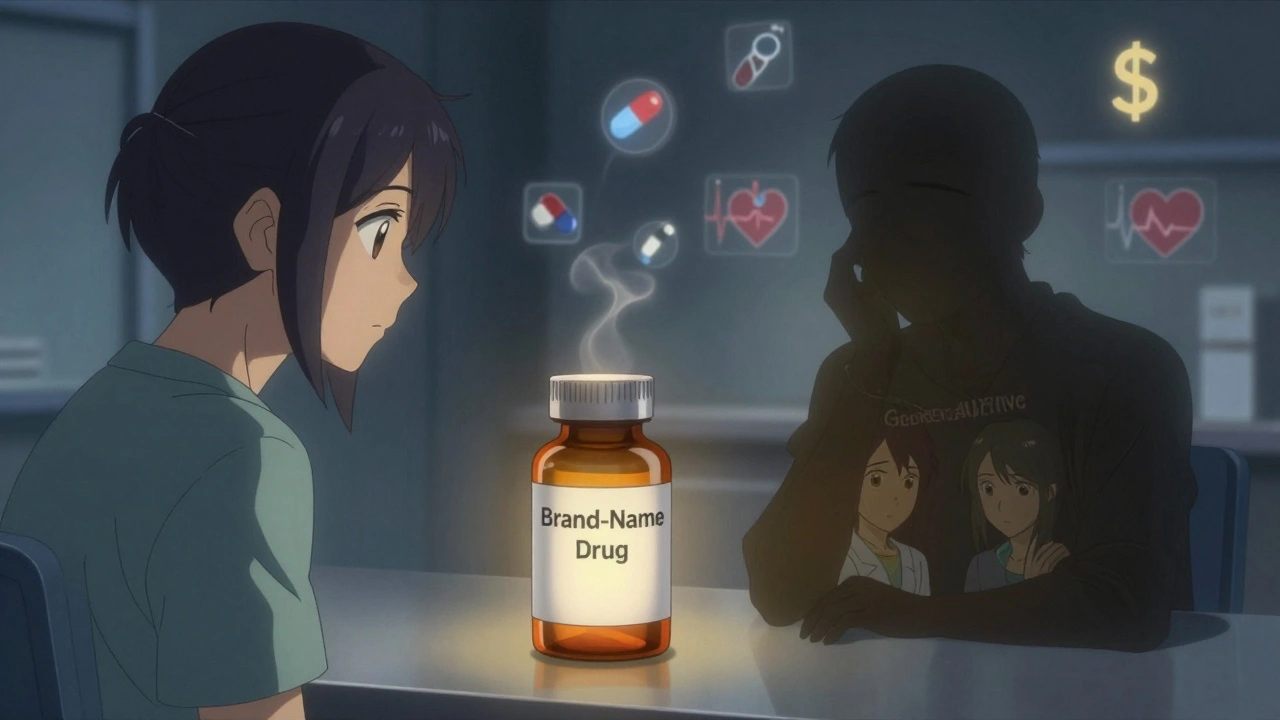
Nudge Theory: How Small Changes Influence Health Decisions
When you think about why people take their meds on time—or why they don’t—it’s rarely about willpower. It’s about the nudge theory, a concept from behavioral economics that shows how subtle changes in how choices are presented can guide people toward better decisions without restricting freedom. Also known as choice architecture, it’s behind why pharmacies put pill organizers at the counter, why text reminders arrive at 8 a.m., and why default options in online prescription refills are set to "yes." You don’t need to convince someone to change. You just need to make the right choice the easiest one.
This isn’t magic. It’s science. Studies from the UK’s Behavioural Insights Team show that simply changing the wording on a prescription label from "Take once daily" to "Take at breakfast every day" increased adherence by 18%. That’s not because patients suddenly became more disciplined. It’s because the cue was clearer. Nudge theory works because our brains are wired to follow paths of least resistance. If your doctor’s note says "take with food," but your pill bottle says "take on an empty stomach," confusion wins. But if the label matches your routine—like a daily coffee habit—you’re far more likely to stick with it.
Related ideas like behavioral economics, the study of how psychological, social, and emotional factors affect financial and health decisions explain why people ignore warnings about statin side effects but rush to refill a migraine pill that "worked last time." It’s not irrational—it’s human. And that’s exactly why nudge theory matters in healthcare. It doesn’t demand big overhauls. It uses what’s already there: routines, habits, defaults, and social cues. You see it in posts about QR codes on prescriptions (making info instantly accessible), drug take-back days (making disposal the default), and even how vitamin E warnings are printed next to warfarin bottles (making risk visible at a glance).
What’s missing in most clinics? Personalization. A nudge that works for a 70-year-old with arthritis won’t work for a 25-year-old with anxiety. But when you combine nudge theory with real-world data—like how many people skip meds after a hospital discharge, or how often creatine use confuses kidney tests—you start seeing patterns. The posts here don’t just list risks or rules. They show how small design changes in how meds are presented, packaged, or explained can cut errors, reduce side effects, and save lives. You’ll find examples of how pharmacies use timing, framing, and visibility to help people stay on track without ever saying "you should."
Why This Matters for You
If you’re managing multiple drugs, helping a loved one with polypharmacy, or just tired of forgetting pills, nudge theory isn’t abstract. It’s the reason some apps send alerts before you leave work, why some blister packs color-code days, and why your pharmacist asks if you take meds with breakfast. These aren’t annoyances. They’re smart fixes. Below, you’ll see how these principles show up in real medication scenarios—from statin adherence to herbal supplement risks to expired drug safety. No theory without practice. Just real ways people are making health easier, one small nudge at a time.