Anticoagulants: What They Are, How They Work, and What to Watch For
When your blood clots too easily, it can lead to strokes, heart attacks, or dangerous blockages in your lungs or legs. That’s where anticoagulants, medications that slow down the blood’s ability to form clots. Also known as blood thinners, they don’t actually thin your blood—they just make it harder for clots to form. These drugs are prescribed for conditions like atrial fibrillation, deep vein thrombosis, or after certain surgeries. But using them isn’t as simple as popping a pill. They require careful management because even small mistakes can lead to serious bleeding.
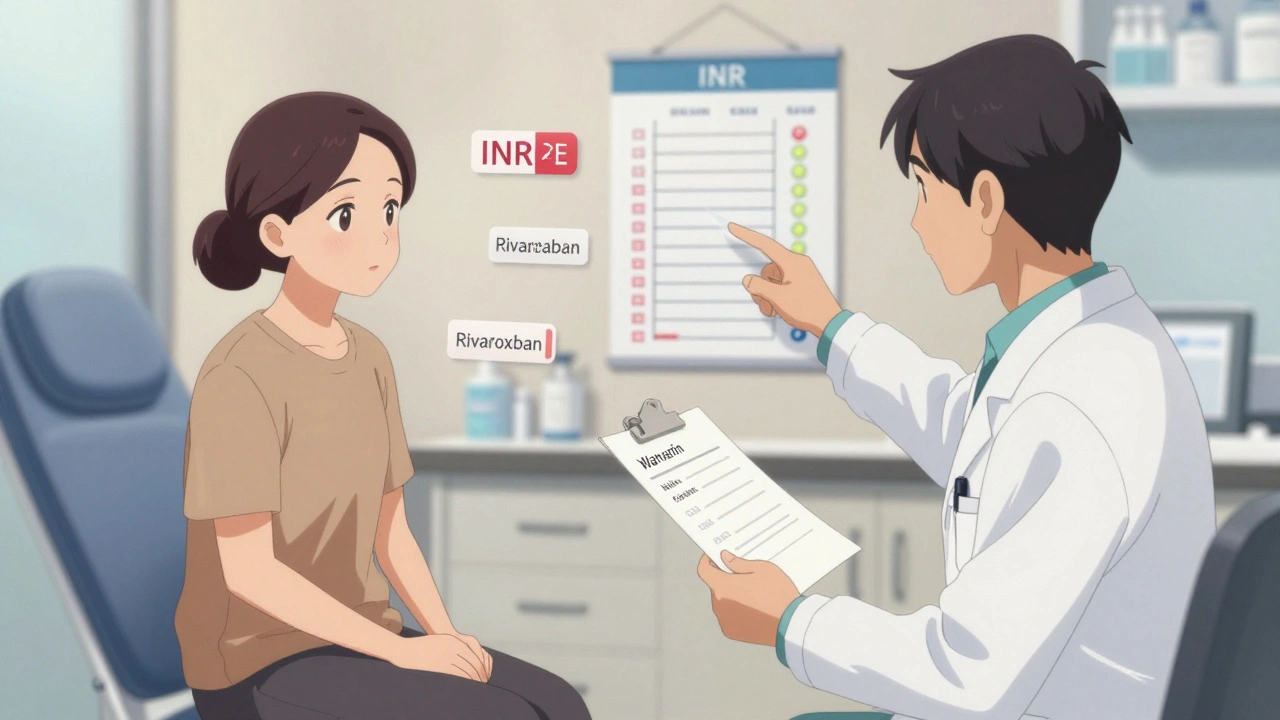
One of the most common anticoagulants is warfarin, a long-used blood thinner that requires regular blood tests to monitor its effect. But warfarin doesn’t play nice with many other things. Vitamin E, fish oil, and even some herbal supplements can boost its effect and raise your bleeding risk. Then there are drugs like systemic antifungals, which can interfere with how your body breaks down other medications, making side effects worse. And it’s not just about what you take—it’s also about what you eat. Foods high in vitamin K, like kale or spinach, can make warfarin less effective if your intake isn’t steady.
Modern alternatives like apixaban or rivaroxaban don’t need constant blood tests, but they still carry risks. If you’re on any of these drugs, you need to know the signs of internal bleeding—unusual bruising, blood in urine or stool, headaches that won’t go away, or dizziness. Many people don’t realize that even over-the-counter painkillers like aspirin can increase bleeding danger when mixed with anticoagulants. That’s why knowing your full medication list and talking to your pharmacist matters more than you think.
Managing anticoagulants isn’t just about the pill you swallow—it’s about your diet, your other meds, your lifestyle, and how well you understand what’s happening in your body. The posts below cover real-world issues: how vitamin E affects warfarin, why fish oil and aspirin might be safer together than you’ve heard, what happens when you mix CBD or herbal supplements with blood thinners, and how to safely dispose of old meds to avoid accidents. You’ll find practical advice on avoiding dangerous interactions, spotting warning signs, and staying in control without overcomplicating your routine.