Bruising: Causes, Medication Risks, and When to Worry
When you notice bruising, the discoloration of skin from broken blood vessels under the surface. Also known as ecchymosis, it’s often just a bump you forgot you got—but sometimes, it’s your body’s way of saying something’s off. Most people get the occasional bruise after bumping into a doorframe or dropping something on their leg. But if you’re bruising without any real injury, or if the marks are bigger and darker than usual, it’s not just bad luck. It could be tied to what you’re taking—or what’s happening inside your body.
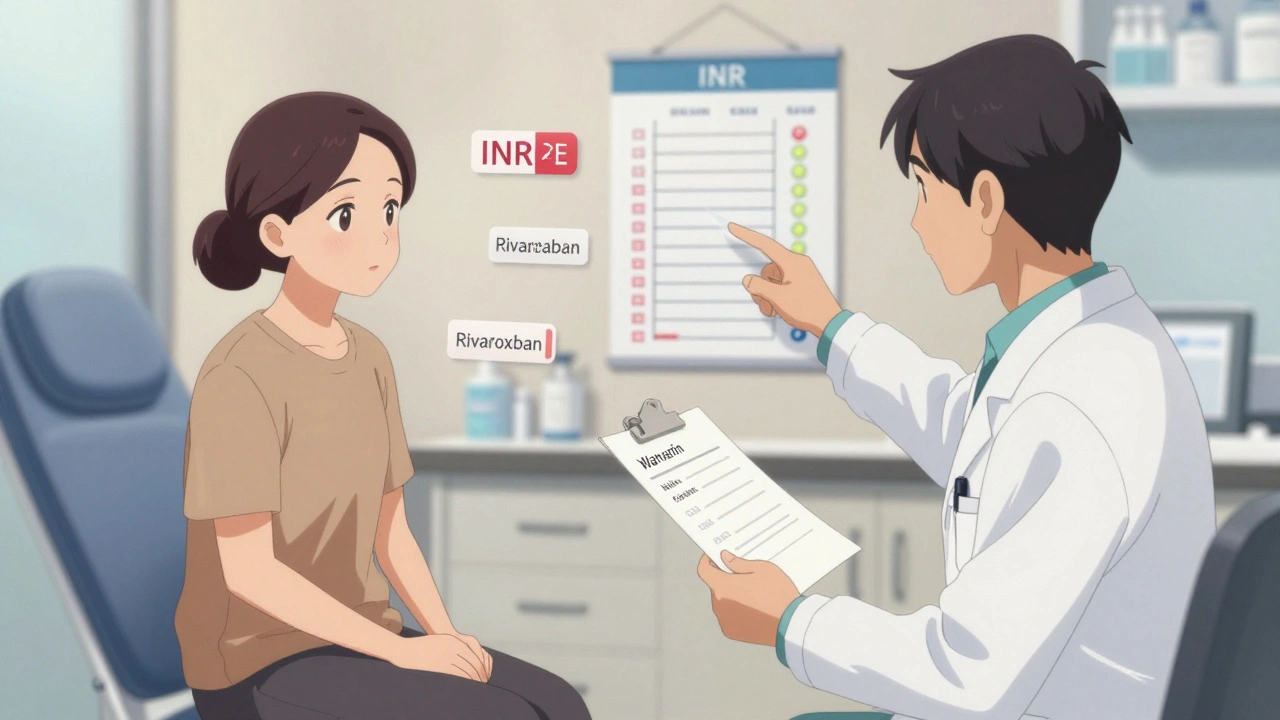
Many common medications can make bruising more likely. blood thinning, the process of reducing blood clotting to prevent strokes or clots is a key goal for people on drugs like aspirin or warfarin. But that same effect can turn a minor bump into a deep, painful bruise. Fish oil and vitamin E, often taken for heart or skin health, also thin the blood. Studies show that taking vitamin E above 400 IU daily with warfarin can raise bleeding risk. You don’t need to stop these supplements, but you do need to know how they interact with your meds. The same goes for statins and antifungals—some combinations don’t just cause muscle pain; they can mess with your platelets and make you bruise easier.
It’s not just drugs. Conditions like liver disease, low platelets, or even vitamin C deficiency can weaken your blood vessels. Older adults bruise more because skin and tissue get thinner over time. But if you’re young, healthy, and suddenly covered in purple marks, that’s a red flag. So is bruising that doesn’t fade after two weeks, or shows up in weird places like your back or chest. And if you’re also bleeding from your gums, nose, or have unusually heavy periods, don’t wait. These aren’t normal side effects—they’re signals.
What you’ll find below are real, practical posts that connect bruising to the meds and supplements you might be taking. We break down how fish oil and aspirin work together, why vitamin E can be risky with warfarin, and how lifestyle changes can reduce side effects without quitting your prescriptions. You’ll also see how drug interactions, dosage changes, and even aging play a role. This isn’t about fear—it’s about awareness. You deserve to understand what’s happening to your body, not just take pills and hope for the best.