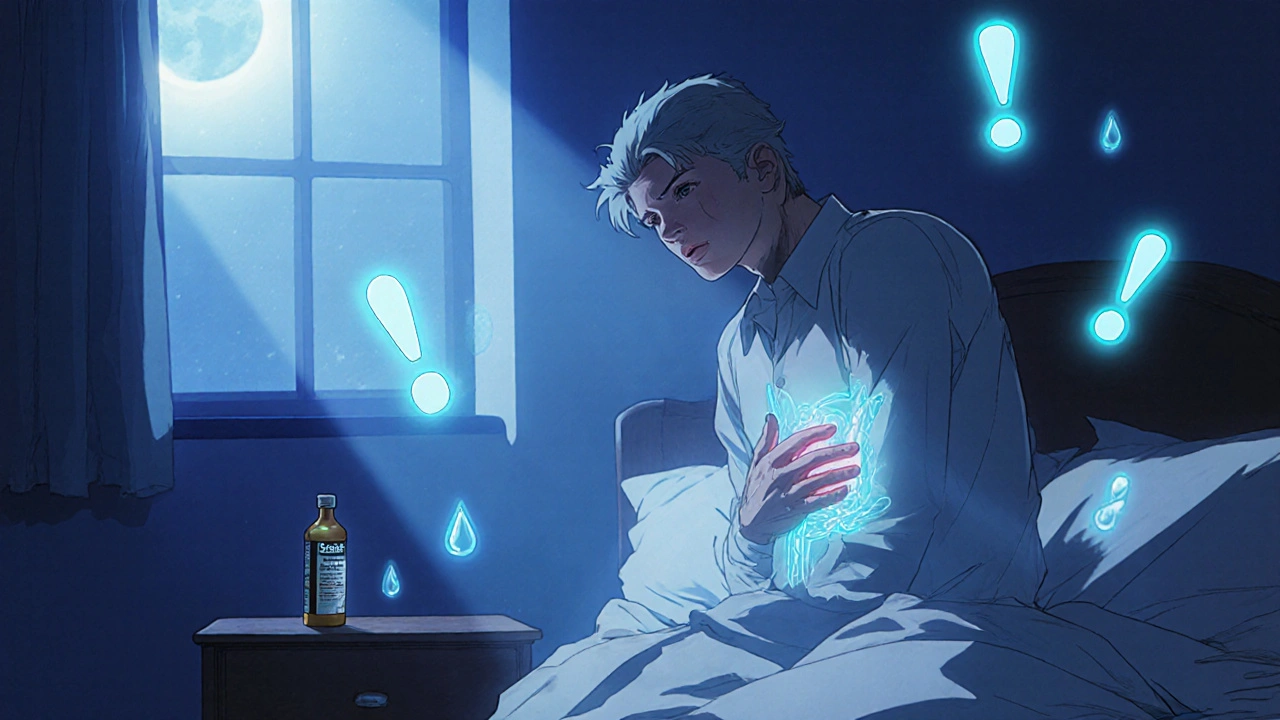
Prostate Enlargement: Causes, Symptoms, and What You Can Do
When your prostate gland grows larger, it’s not cancer—it’s benign prostatic hyperplasia, a non-cancerous condition where the prostate enlarges and presses on the urethra. Also known as prostate enlargement, it’s so common that over half of men in their 60s have it, and nearly 90% by age 85. This isn’t just about aging—it’s about how that extra tissue blocks urine flow, wakes you up at night, and makes simple tasks like driving or going out feel like a gamble.
Men with prostate enlargement often notice urinary symptoms, a cluster of signs including weak stream, frequent urination, urgency, and trouble emptying the bladder. Some wake up five times a night. Others feel like they’re still full after peeing. These aren’t normal parts of getting older—they’re signals your body is struggling. The condition doesn’t always get worse, but it doesn’t go away on its own either. Many men try waiting it out, only to end up in urgent care because they couldn’t pee at all. That’s acute urinary retention, and it’s an emergency.
What causes this? It’s tied to hormones—especially dihydrotestosterone (DHT)—and changes in how your body responds to testosterone as you age. It’s not caused by sex, masturbation, or diet, despite what you might hear. But what you do eat and drink can make symptoms better or worse. Caffeine, alcohol, and large evening fluids can spike nighttime trips to the bathroom. Medications like decongestants and antihistamines can lock your urine in. And if you’ve been on certain drugs for years, like some antidepressants or blood pressure pills, they might be making your prostate symptoms worse without you realizing it.
There’s a lot of noise out there—herbal supplements, miracle teas, expensive devices. But the real solutions are simple and backed by science. Some men find relief with alpha-blockers, medications that relax the muscles around the prostate and bladder neck, helping urine flow more freely. Others need 5-alpha reductase inhibitors, drugs that shrink the prostate by lowering DHT levels. These take months to work but can prevent long-term damage. And for those with severe blockage, minimally invasive procedures can remove excess tissue without open surgery.
You won’t find a single fix that works for everyone. That’s why so many men end up confused—between doctors, ads, and well-meaning friends who swear by saw palmetto. But the truth is, your symptoms matter more than your age. If you’re waking up to pee, feeling pressure, or avoiding social plans because of the bathroom, you’re not alone—and you don’t have to live with it. Below, you’ll find real comparisons of treatments, warnings about risky interactions, and practical advice from men who’ve been there. No fluff. No marketing. Just what works, what doesn’t, and what you need to ask your doctor next.