Medication Safety and Health Management in November 2025

When it comes to medication safety, the practice of using drugs correctly to avoid harm while getting the intended benefit. Also known as drug safety, it’s not just about taking pills as directed—it’s about understanding how they talk to each other, how your body reacts, and what hidden risks you might be ignoring. In November 2025, our most-read posts dug into the real-world dangers most people never see coming: a common herb damaging your liver, a vitamin boosting bleeding risk with blood thinners, or a decongestant locking up your urine flow. These aren’t rare edge cases—they’re everyday mistakes hiding in plain sight.

Drug interactions, when two or more medications change how each other works in your body were a major focus. We broke down how systemic antifungals, oral or IV antifungal drugs like ketoconazole and itraconazole can spike statin levels to dangerous highs, raising the risk of muscle breakdown. Another post showed how CBD products, cannabidiol supplements marketed for anxiety or pain interfere with liver enzymes that break down over 60% of prescription drugs—same enzymes affected by grapefruit juice. And it’s not just pills: vitamin E and warfarin, a blood thinner used for atrial fibrillation and clots, can turn a daily supplement into a bleeding hazard when taken together above 400 IU. These aren’t theoretical risks—they’re documented, preventable events that send people to the ER.

It’s not all about danger, though. We also covered how to take control. Medication safety isn’t just avoiding bad combos—it’s asking the right questions at the pharmacy, using take-back days to clear out expired pills, and spotting early signs of liver stress from herbal supplements like green tea extract or turmeric. You don’t need to be a doctor to protect yourself. You just need to know what to watch for and when to speak up. The posts this month give you exactly that: clear, no-fluff guidance on what to ask, what to avoid, and how to cut costs without cutting corners.

Whether you’re managing diabetes and bone health, fighting scalp flaking with medicated shampoos, or trying to reduce side effects without adding more pills, the tools are here. No guesswork. No jargon. Just what works—and what could hurt you if you don’t know better.


28 Nov
Vitiligo Camouflage: Best Cosmetic Options and Techniques for Daily Coverage

Health and Wellness

Vitiligo Camouflage: Best Cosmetic Options and Techniques for Daily Coverage

Discover the best cosmetic options and techniques for camouflaging vitiligo patches, from long-wear makeup to micropigmentation. Learn what works, what to avoid, and how to get natural-looking coverage.

Read More
26 Nov
Statins and Memory Loss: What You Need to Know About Cognitive Side Effects

Medications

Statins and Memory Loss: What You Need to Know About Cognitive Side Effects

Statins may cause temporary memory issues in a small number of people, but research shows these effects are rare, reversible, and often mistaken for something worse. The real risk? Not taking them when you need them.

Read More
25 Nov
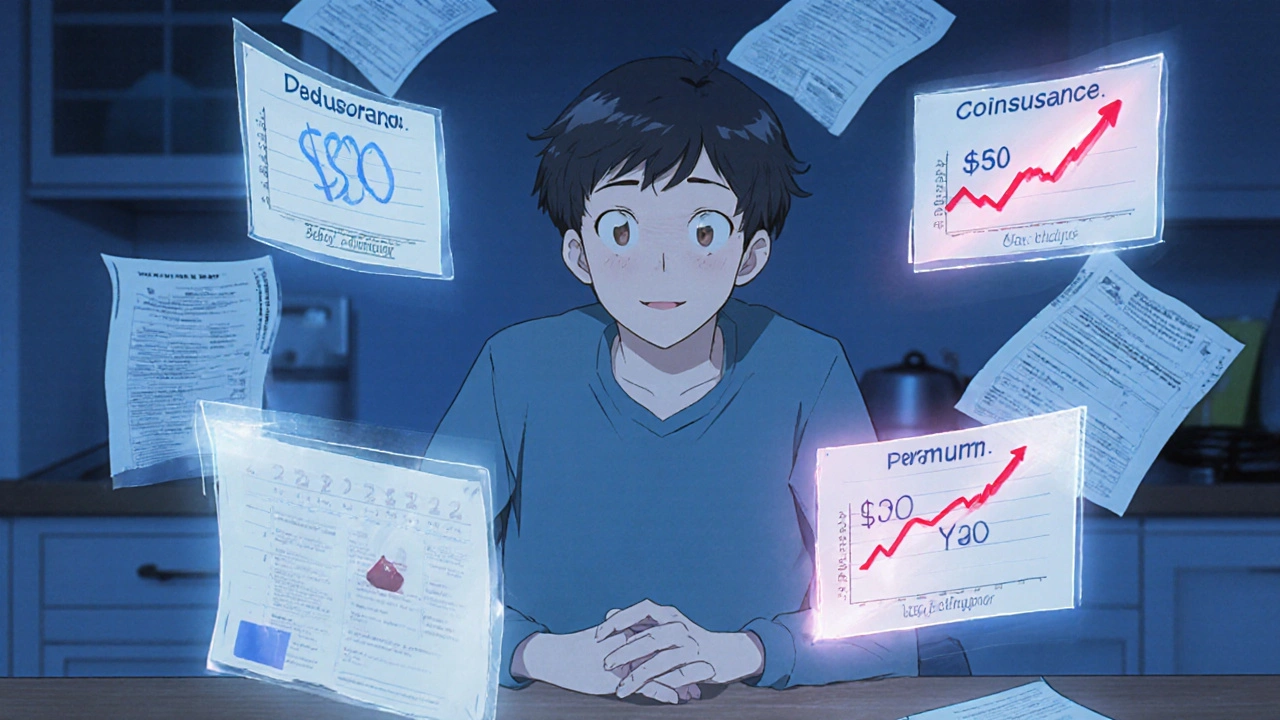
How to Calculate Total Cost of Therapy Beyond the Copay

Mental Health

How to Calculate Total Cost of Therapy Beyond the Copay

Therapy costs go far beyond the copay. Learn how deductibles, coinsurance, premiums, and network status affect your total out-of-pocket expenses for mental health care.

Read More
24 Nov
Seborrheic Dermatitis: How to Stop Scalp Flaking with Medicated Shampoos

Health and Wellness

Seborrheic Dermatitis: How to Stop Scalp Flaking with Medicated Shampoos

Seborrheic dermatitis causes stubborn scalp flaking and greasy scales. Learn how medicated shampoos with ketoconazole, zinc pyrithione, and coal tar can control symptoms long-term-and why rotation is key.

Read More
22 Nov
Lifestyle Changes to Reduce Medication Side Effects: Practical Guide

Health and Wellness

Lifestyle Changes to Reduce Medication Side Effects: Practical Guide

Learn practical, science-backed lifestyle changes - from sleep and diet to exercise and stress management - that can reduce medication side effects and help you feel better without adding more drugs.

Read More
21 Nov
Vitamin E and Warfarin: What You Need to Know About the Bleeding Risk

Medications

Vitamin E and Warfarin: What You Need to Know About the Bleeding Risk

Vitamin E can increase bleeding risk when taken with warfarin, especially at doses above 400 IU daily. Learn how this interaction works, what studies show, and what doctors recommend to stay safe.

Read More
20 Nov
National Prescription Drug Take-Back Days: What to Expect

Medications

National Prescription Drug Take-Back Days: What to Expect

Learn what to expect at National Prescription Drug Take-Back Days, including what you can drop off, where to find sites, what happens to the meds, and how this program helps prevent misuse and overdose.

Read More
20 Nov
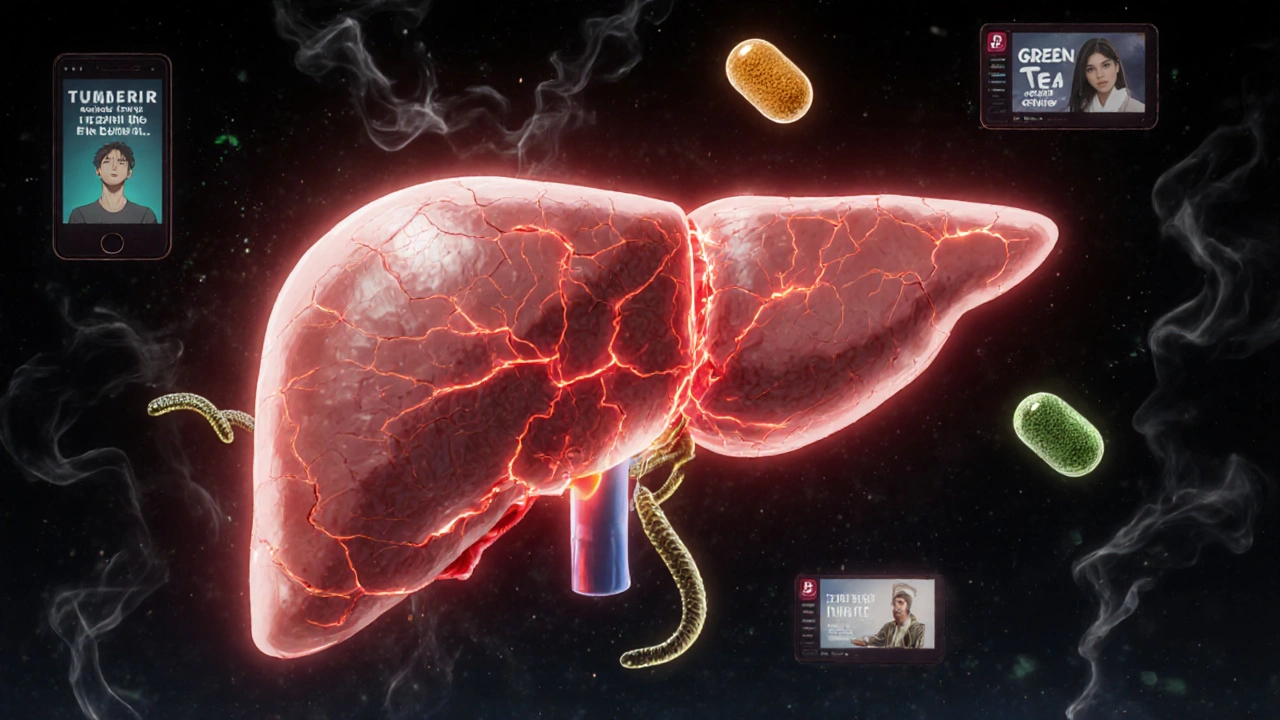
Herbal and Supplement Liver Toxicity: What to Avoid

Health and Wellness

Herbal and Supplement Liver Toxicity: What to Avoid

Herbal and supplement liver toxicity is rising fast, with six common products linked to severe liver damage. Learn which supplements to avoid, how to spot early warning signs, and what to do if you're at risk.

Read More
19 Nov
Managing Multiple Medications: How to Reduce Drug Interactions and Stay Safe

Medications

Managing Multiple Medications: How to Reduce Drug Interactions and Stay Safe

Managing multiple medications safely means avoiding dangerous drug interactions through careful reviews, deprescribing unnecessary drugs, and staying in close contact with your healthcare team. Learn how to reduce risks and take control of your treatment plan.

Read More
19 Nov
Systemic Antifungals and Statins: What You Need to Know About Dangerous Drug Interactions

Medications

Systemic Antifungals and Statins: What You Need to Know About Dangerous Drug Interactions

Systemic antifungals like azoles can dangerously increase statin and immunosuppressant levels, raising the risk of muscle damage and rhabdomyolysis. Know which drugs to avoid and what safer alternatives exist.

Read More
Back To Top