How to Check for Allergens and Inactive Ingredients on Prescription Labels
Understand the hidden risks in prescription labels and learn how to identify allergens in inactive ingredients for safer medication management.
Read More

Understand the hidden risks in prescription labels and learn how to identify allergens in inactive ingredients for safer medication management.
Read More
When your insurance denies coverage for a generic drug, you’re not out of options. Learn how to appeal a non-formulary denial with clinical evidence, deadlines, and real strategies that work - backed by data from Medicare, insurers, and patient advocates.
Read More
Soluble and insoluble fiber play different but essential roles in gut health. Learn how each type affects digestion, blood sugar, and mood - and how to get the right balance without bloating.
Read More
Keep prescription labels and medication leaflets organized to prevent dangerous errors, avoid costly tests, and ensure safe care during emergencies. Learn how to store them physically and digitally with simple, proven methods.
Read More
Your medical history - from past allergies to chronic diseases - directly affects how your body reacts to medications. Learn how age, gender, polypharmacy, and genetics increase your risk of dangerous side effects - and what you can do about it.
Read More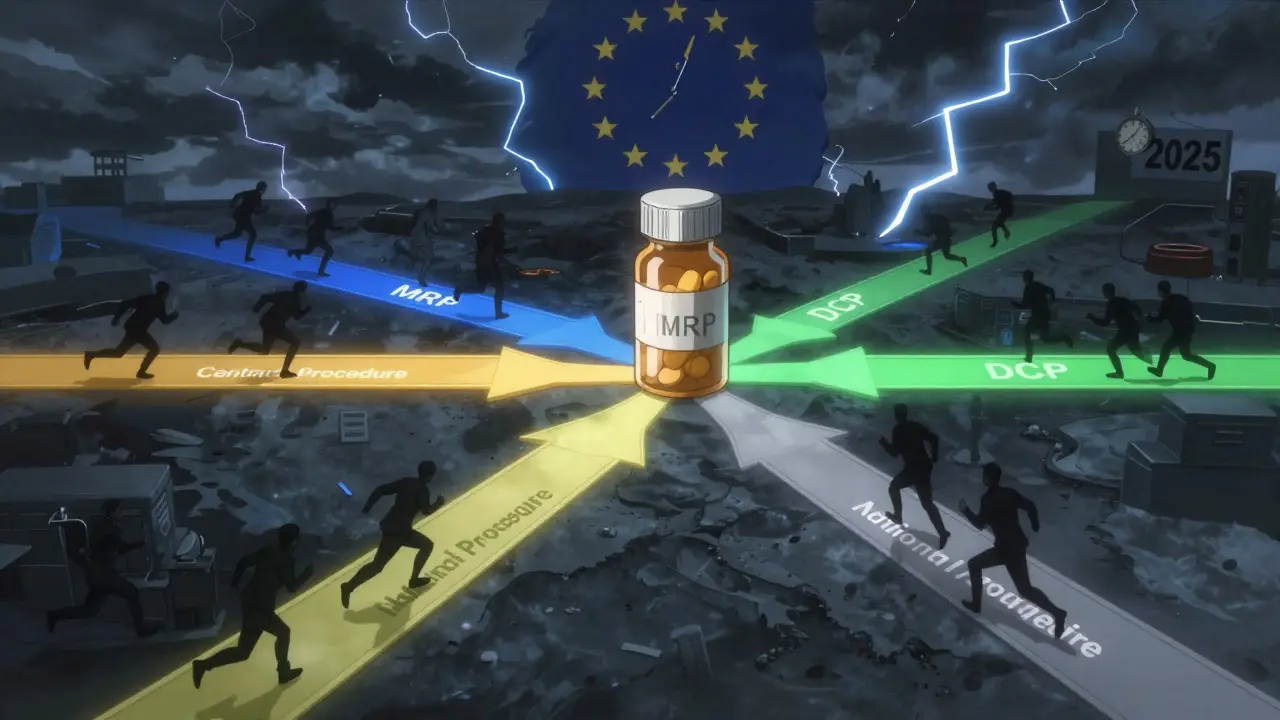
The EU's generic drug approval system is complex, with four different pathways, inconsistent national rules, and major reforms in 2025 that will speed up access but also change how manufacturers compete. Learn how these changes affect drug availability and pricing across Europe.
Read More
Drinking water before meals can reduce appetite, boost metabolism, and help you lose weight without dieting. Science shows it works better than diet soda and requires no supplements.
Read More
Melanoma survival rates jump from 32% to 99% when caught early. Learn how AI, wearable tech, and immunotherapy are changing skin cancer treatment-and what you need to know now.
Read More
Tracking vitamin K with a food diary is essential for warfarin patients to avoid dangerous INR swings. Consistency in diet, not avoidance, keeps blood thinning stable and prevents clots or bleeding.
Read More
Pharmacy reimbursement models for generic drugs are shaped by federal and state laws that determine how much pharmacies get paid. From MAC pricing to PBM spreads and Medicare's new $2 drug list, these rules affect your out-of-pocket costs and whether your local pharmacy can survive.
Read More